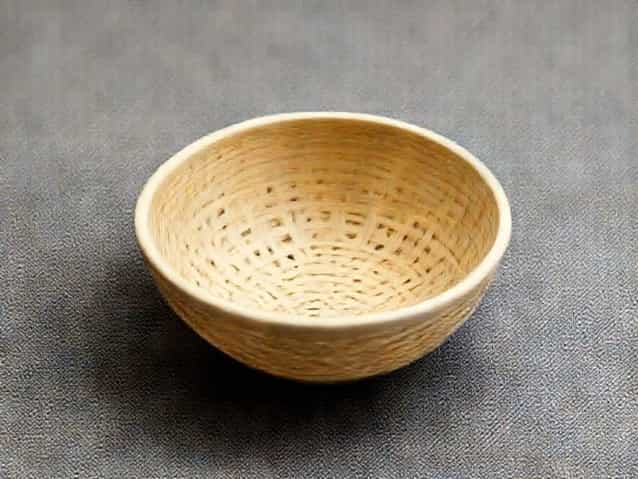
A lightweight bowl made of interwoven materials represents a blend of functionality, craftsmanship, and aesthetic appeal. These bowls are designed to be strong yet light, often utilizing materials like bamboo, rattan, metal wires, or synthetic fibers that are intricately woven together to form a durable and visually appealing structure. Such bowls are not only practical for everyday use but also serve as decorative pieces in modern homes, outdoor settings, and artistic displays. The combination of innovative design, sustainability, and artistry makes them a popular choice for those seeking functional and stylish tableware.
Materials Used in Interwoven Bowls
The choice of materials is crucial in creating a lightweight bowl that maintains strength and durability. Various natural and synthetic materials are commonly used to achieve this balance
Bamboo and Rattan
Bamboo and rattan are traditional materials for woven bowls due to their flexibility, strength, and sustainability. Bamboo fibers are lightweight and resilient, making them ideal for everyday use. Rattan, on the other hand, provides a natural aesthetic and sturdy structure that can support a variety of contents without deforming. Both materials are biodegradable and environmentally friendly, making them a sustainable choice for modern households.
Metal and Wire
Metal wire is another popular material for creating interwoven bowls. Stainless steel, aluminum, or coated metals are used to form intricate designs that are both lightweight and strong. Metal bowls often have a modern, minimalist look, and the open weave allows for air circulation, making them perfect for storing fruits or decorative items. Wire bowls are highly durable and resistant to wear, offering long-lasting functionality.
Synthetic Fibers
Synthetic fibers such as nylon, polyester, or polypropylene are used to create bowls that are flexible, water-resistant, and easy to clean. These materials allow for bright colors and uniform weaving patterns, offering versatility in design. Synthetic interwoven bowls are often lighter than natural materials, making them ideal for outdoor use, picnics, or travel.
Techniques of Weaving
Creating a lightweight bowl from interwoven materials requires specific weaving techniques that ensure strength, stability, and visual appeal. These techniques have evolved from traditional crafts to modern industrial methods.
Over-and-Under Weave
The over-and-under weaving technique is one of the most common methods used to create bowls. Strips of material are interlaced alternately over and under each other to form a tight, cohesive structure. This method provides uniform strength and allows the bowl to maintain its shape while remaining lightweight.
Basket Weave
Basket weaving involves interlacing materials in a crisscross pattern, often forming a checkerboard appearance. This technique is visually appealing and provides excellent durability. Basket weave bowls are versatile, suitable for both functional and decorative purposes, and can be made with a variety of materials ranging from natural fibers to metals.
Spiral Weaving
Spiral weaving creates a continuous, circular pattern that begins at the center of the bowl and radiates outward. This method ensures a balanced distribution of stress across the structure, enhancing the bowl’s strength while keeping it lightweight. Spiral woven bowls are often used for artistic and modern tableware designs.
Applications and Uses
Lightweight interwoven bowls have a wide range of applications, both practical and decorative. Their versatility makes them suitable for different settings and purposes.
Kitchen and Dining
In the kitchen, these bowls are perfect for holding fruits, vegetables, salads, or bread. Their lightweight nature makes them easy to handle and transport, while the open weave allows air circulation, helping produce stay fresh longer. Some bowls are designed to be collapsible or stackable, enhancing their practicality in small kitchens or for storage purposes.
Decorative and Artistic
Interwoven bowls are often used as decorative items in homes and offices. They can serve as centerpieces, catch-all trays, or artistic displays. The combination of textures, patterns, and colors adds a unique touch to interior design, complementing modern, rustic, or minimalist aesthetics. Many designers create custom bowls as art pieces, showcasing intricate craftsmanship and innovative use of materials.
Outdoor and Travel
Lightweight woven bowls are ideal for outdoor activities such as picnics, camping, or garden parties. Materials like synthetic fibers or coated bamboo withstand exposure to moisture and sunlight, making them practical for travel. Their portability and durability make them a convenient option for carrying food or organizing small items during trips.
Durability and Maintenance
The longevity of a lightweight bowl made of interwoven materials depends on the quality of materials and weaving techniques used. Natural fibers like bamboo or rattan require occasional cleaning and drying to prevent mold or warping, while metal and synthetic bowls generally need minimal maintenance. Proper care ensures that the bowls remain functional and retain their aesthetic appeal for years.
Cleaning Tips
- Wipe natural fiber bowls with a damp cloth and avoid soaking them in water for long periods.
- Use mild soap for synthetic or metal bowls and rinse thoroughly to remove residues.
- Dry bowls completely before storage to prevent mold growth or rusting.
- Store in a cool, dry place away from direct sunlight to preserve colors and prevent damage.
Extending Lifespan
To extend the lifespan of interwoven bowls, avoid placing heavy or sharp objects that can deform the weave. Rotating bowls for different purposes and keeping them clean helps maintain both functionality and appearance. High-quality craftsmanship and sturdy materials also contribute to a longer-lasting product.
Environmental and Sustainability Considerations
Lightweight bowls made of interwoven natural materials are often sustainable and environmentally friendly. Bamboo and rattan are renewable resources, and using recycled synthetic fibers or metals can reduce environmental impact. Choosing eco-friendly bowls supports sustainable production practices and reduces the carbon footprint associated with disposable or low-quality tableware.
Eco-Friendly Design
Many manufacturers now emphasize sustainable design by sourcing responsibly harvested materials and minimizing waste during production. Interwoven bowls crafted from natural fibers or recycled materials offer a stylish and functional alternative to plastic or non-biodegradable options. Consumers increasingly value products that combine utility, aesthetic appeal, and environmental responsibility.
Lightweight bowls made of interwoven materials are a unique fusion of functionality, design, and sustainability. They are crafted from materials such as bamboo, rattan, metal wires, or synthetic fibers using techniques like over-and-under weave, basket weave, or spiral weaving. Their applications range from kitchen use to decorative displays and outdoor activities, making them versatile additions to any home or lifestyle. Proper maintenance, thoughtful use, and sustainable material choices ensure their longevity and environmental benefits. These bowls exemplify the combination of practical utility and artistic craftsmanship, offering both beauty and function in a lightweight, durable package.