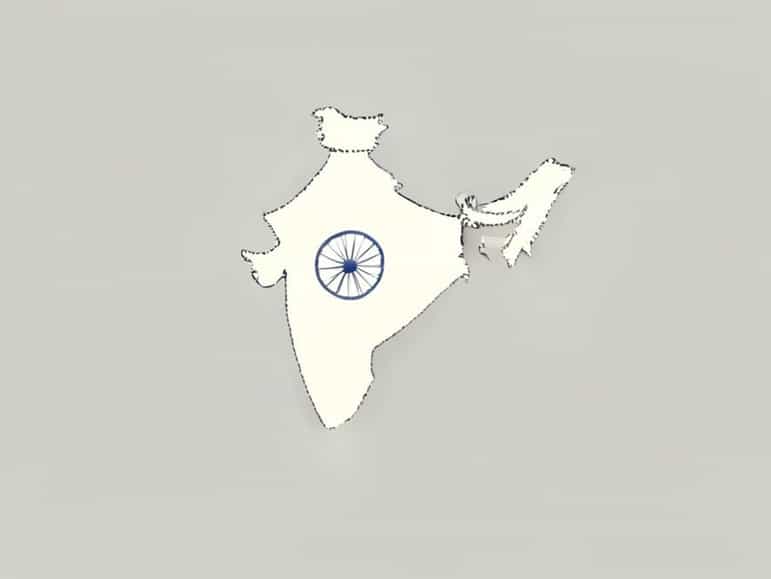
India is a vast country in South Asia, stretching across diverse landscapes, climates, and ecosystems. Its unique geographical location gives it a significant advantage in terms of climate, biodiversity, and cultural diversity. One of the key aspects of understanding India’s geography is examining its latitudinal and longitudinal extension. The country’s position on the globe influences everything from weather patterns to agricultural practices, natural resources, and the lifestyle of its people. Exploring India’s latitudinal and longitudinal extent provides insight into why this nation experiences such varied climates, from the tropical south to the temperate north.
Latitudinal Extension of India
India extends between approximately 8°4′ N latitude in the southernmost point at Kanyakumari to about 37°6′ N latitude at the northernmost point in Jammu and Kashmir. This north-south stretch covers nearly 29 degrees of latitude, making India one of the largest countries in the world in terms of its latitudinal range. The wide latitudinal span results in diverse climatic zones, ranging from tropical in the south to alpine in the north. The latitudinal extension also affects the length of daylight throughout the year, seasonal temperature variations, and types of crops grown in different regions.
Climatic Influence of Latitudinal Spread
The latitudinal extension of India plays a significant role in shaping its climate. The southern states, lying closer to the equator, experience a tropical climate with high temperatures and humidity throughout the year. States like Tamil Nadu, Kerala, and Karnataka enjoy a tropical monsoon climate, which supports crops such as rice, coconut, and spices. On the other hand, northern regions such as Himachal Pradesh and Jammu & Kashmir, which are situated at higher latitudes, experience cooler climates with snow during winters. This variation in climate across latitudes allows India to have a rich agricultural diversity and supports a wide range of flora and fauna.
Impact on Agriculture and Vegetation
The variation in latitude affects soil types, rainfall patterns, and temperature, directly influencing the types of vegetation and agricultural practices in different regions. Tropical crops like sugarcane, bananas, and mangoes thrive in southern India due to warmer temperatures, while wheat, apples, and barley grow well in the northern plains and Himalayan foothills. The latitudinal diversity also supports India’s vast forest types, including tropical rainforests in the southwest, deciduous forests in central India, and coniferous forests in the north.
Longitudinal Extension of India
India’s longitudinal extension stretches approximately between 68°7′ E at Gujarat in the west to 97°25′ E at Arunachal Pradesh in the east. This east-west stretch covers nearly 29 degrees of longitude. The longitudinal span of India is significant because it determines the time zones, rainfall patterns, and regional climatic variations. The country experiences differences in sunrise and sunset times, which affects daily life and agricultural activities in different regions.
Time Zone and Daily Life
Although India uses a single standard time (Indian Standard Time, IST), the longitudinal extent means there is a natural difference of about two hours in sunrise and sunset between the eastern and western borders. For example, in Arunachal Pradesh in the east, the sun rises and sets earlier compared to Gujarat in the west. This discrepancy has led to discussions about introducing multiple time zones to improve efficiency in daily activities, especially for agriculture and business.
Impact on Climate and Rainfall
The longitudinal extension also influences climate, particularly rainfall patterns. Western India, including Rajasthan and Gujarat, receives less rainfall due to the rain shadow effect of the Aravalli Range, whereas northeastern India, including Assam and Meghalaya, receives some of the highest rainfall in the world due to moist winds from the Bay of Bengal. The varying topography along the east-west stretch, combined with the longitudinal position, contributes to the diversity of ecosystems and biodiversity across the country.
Geographical Significance of India’s Latitudinal and Longitudinal Spread
India’s geographic location between the tropic of Cancer in the north and the equator in the south, along with its wide east-west spread, makes it a country of remarkable geographical importance. Its position affects weather patterns such as the monsoon, which is crucial for agriculture and water resources. India’s latitudinal and longitudinal extension also allows for the presence of various natural features, including mountains, rivers, plateaus, and coastal plains.
Influence on Biodiversity
The wide spread across latitude and longitude creates diverse habitats that support India’s rich biodiversity. Tropical forests in the southern Western Ghats, alpine forests in the Himalayas, arid deserts in Rajasthan, and mangrove ecosystems in the eastern coastal regions all reflect the influence of latitudinal and longitudinal variation. This diversity makes India one of the seventeen megadiverse countries in the world.
Socio-Economic Impact
The geographical spread also affects the socio-economic activities of the country. Agriculture, trade, and industry are influenced by climatic conditions determined by India’s latitude and longitude. Regions with fertile plains, adequate rainfall, and moderate climate are densely populated and agriculturally prosperous. Conversely, arid and high-altitude regions have sparser populations and specialized economic activities, such as horticulture, animal husbandry, and tourism.
The latitudinal and longitudinal extension of India plays a crucial role in shaping the country’s climate, vegetation, agriculture, biodiversity, and human activities. Stretching from the southern tip at Kanyakumari to the northernmost region of Jammu & Kashmir and from the western border of Gujarat to the easternmost point in Arunachal Pradesh, India’s geographic spread is immense. Understanding this extension helps explain the country’s ecological diversity, climatic variation, and cultural richness. India’s position on the globe makes it a unique land of contrasts, where tropical beaches, fertile plains, high mountains, and dense forests coexist, offering a remarkable example of nature’s diversity and human adaptation across latitudes and longitudes.