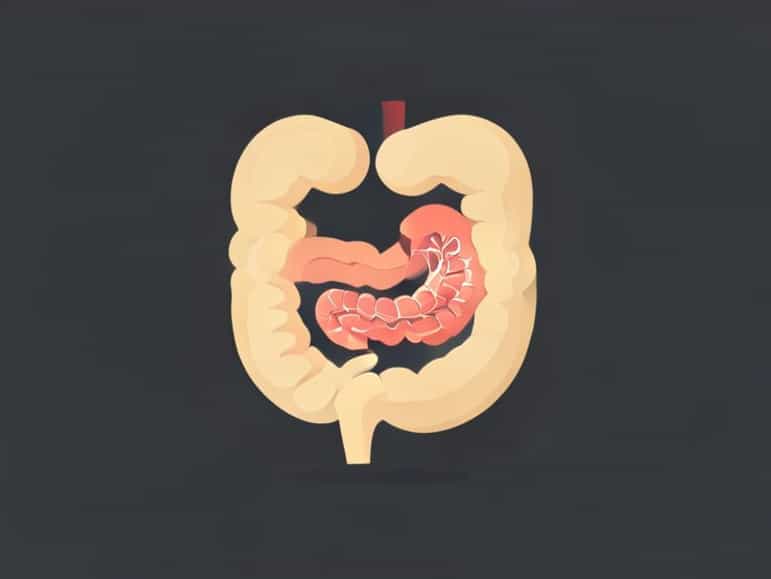
Gastric peristalsis is a vital physiological process that occurs in the human stomach, enabling the digestion and movement of food through the gastrointestinal tract. Understanding its function, mechanisms, and associated concepts such as the function coefficient is important for both medical students and healthcare professionals. In Hindi, gastric peristalsis is often explained in the context of पà¥à¤ à¤à¥ ठति or पà¥à¤ à¤à¥ परistaltic à¤à¥à¤°à¤¿à¤ ा. This process involves coordinated muscular contractions that mix food with gastric juices, break it down mechanically, and propel it toward the small intestine. The function coefficient of gastric peristalsis provides a quantitative measure of the efficiency and effectiveness of these movements, reflecting the stomach’s role in digestion and nutrient absorption.
Understanding Gastric Peristalsis
Gastric peristalsis refers to the rhythmic contractions of the stomach muscles that facilitate digestion. These contractions are essential for mixing food with gastric secretions, breaking it into smaller ptopics, and moving it along the digestive tract. Without effective gastric peristalsis, digestion can be slowed, leading to discomfort, bloating, or more serious gastrointestinal disorders. In Hindi, this is often described as पà¥à¤ à¤à¥ लठबदà¥à¤§ माà¤à¤¸à¤ªà¥à¤¶à¤¿à¤ à¥à¤ à¤à¥ सà¤à¤à¥à¤à¤¨ à¤à¥à¤°à¤¿à¤ ा à¤à¥ à¤à¥à¤à¤¨ à¤à¥ मिलानॠà¤à¤° पà¤à¤¾à¤¨à¥ मà¥à¤ मदद à¤à¤°à¤¤à¥ हà¥à¥¤
Mechanism of Gastric Peristalsis
The process of gastric peristalsis is driven by smooth muscle contractions in the stomach wall. It begins when food enters the stomach, stimulating stretch receptors that trigger waves of muscular contractions. These contractions push the food toward the pyloric sphincter, gradually releasing chyme into the small intestine. The rhythm and strength of these contractions are influenced by neural and hormonal signals, ensuring that the digestive process occurs efficiently. In Hindi, this mechanism is explained as माà¤à¤¸à¤ªà¥à¤¶à¤¿à¤ à¥à¤ à¤à¥ लहरà¥à¤ à¤à¥ à¤à¥à¤à¤¨ à¤à¥ पà¥à¤ मà¥à¤ मिलानॠà¤à¤° धà¥à¤°à¥-धà¥à¤°à¥ à¤à¥à¤à¥ à¤à¤à¤¤ à¤à¥ à¤à¤° à¤à¥à¤à¤¨à¥ मà¥à¤ मदद à¤à¤°à¤¤à¥ हà¥à¤à¥¤
Function of Gastric Peristalsis
The primary functions of gastric peristalsis include mechanical digestion, mixing of food with digestive enzymes, and regulation of food passage into the small intestine. Effective peristaltic activity ensures that nutrients are properly absorbed and waste products are moved along the digestive tract. Disruption in gastric peristalsis can lead to conditions such as gastroparesis, delayed gastric emptying, or indigestion. Understanding the function of gastric peristalsis is crucial for diagnosing and managing these gastrointestinal issues.
Key Functions
- Mixing food with gastric juices to form chyme.
- Breaking down food ptopics mechanically for better digestion.
- Regulating the rate of gastric emptying into the small intestine.
- Facilitating absorption of nutrients by ensuring proper movement of food.
- Preventing reflux and maintaining digestive efficiency.
Gastric Peristalsis Function Coefficient
The function coefficient of gastric peristalsis is a concept used to quantify the efficiency of gastric movements. It provides a numerical representation of how effectively the stomach mixes and propels food. Researchers and medical professionals use this coefficient to evaluate stomach function in clinical settings, especially in patients with digestive disorders. In Hindi, this is referred to as पà¥à¤ à¤à¥ परistaltic à¤à¥à¤°à¤¿à¤ ा à¤à¤¾ à¤à¤¾à¤°à¥à¤ ठà¥à¤£à¤¾à¤à¤, à¤à¥ ठह बताता हॠà¤à¤¿ पà¥à¤ à¤à¤¿à¤¤à¤¨à¥ पà¥à¤°à¤à¤¾à¤µà¥ ढà¤à¤ सॠà¤à¥à¤à¤¨ à¤à¥ मिलाता à¤à¤° à¤à¤ ॠबढ़ाता हà¥à¥¤
Factors Affecting the Function Coefficient
Several factors influence the function coefficient of gastric peristalsis. These include neural control, hormonal signals, the physical properties of food, and overall health of the gastrointestinal tract. Understanding these factors helps in assessing digestive efficiency and identifying potential abnormalities.
- Neural ControlSignals from the autonomic nervous system regulate the rhythm and intensity of peristaltic contractions.
- Hormonal InfluenceHormones like gastrin, motilin, and cholecystokinin affect gastric motility.
- Food CompositionThe size, texture, and nutrient content of food can alter the strength and speed of peristaltic waves.
- Health ConditionsDisorders such as diabetes, ulcers, or nerve damage can reduce the function coefficient, leading to impaired digestion.
Clinical Importance
Measuring the gastric peristalsis function coefficient is particularly useful in diagnosing digestive disorders. Low coefficients may indicate weakened stomach contractions, delayed gastric emptying, or other motility issues. High coefficients may reflect overactive peristalsis, sometimes causing rapid transit and reduced nutrient absorption. In Hindi, clinicians interpret these measurements as पà¥à¤ à¤à¥ ठति à¤à¥ à¤à¥à¤·à¤®à¤¤à¤¾ à¤à¤¾ मà¥à¤²à¥à¤ ाà¤à¤à¤¨, à¤à¥ पाà¤à¤¨ तà¤à¤¤à¥à¤° à¤à¥ सà¥à¤¥à¤¿à¤¤à¤¿ à¤à¥ समà¤à¤¨à¥ मà¥à¤ मदद à¤à¤°à¤¤à¤¾ हà¥à¥¤
Techniques to Measure Gastric Peristalsis Function Coefficient
Medical professionals employ various methods to measure the efficiency of gastric peristalsis. These include imaging techniques, manometry, and scintigraphy. Each method provides valuable insights into stomach motility and helps in calculating the function coefficient accurately.
Manometry
Gastric manometry involves inserting a thin tube into the stomach to measure pressure changes during peristaltic contractions. This provides direct data on the strength and frequency of muscular waves.
Scintigraphy
Scintigraphy uses radioactive markers mixed with food to track the movement of chyme through the stomach. It helps evaluate gastric emptying rates and calculate the function coefficient.
Ultrasound and Imaging
Advanced imaging techniques like ultrasound can visualize stomach contractions non-invasively. These methods allow real-time observation of peristaltic waves and provide information to estimate the function coefficient.
Factors That Improve Gastric Peristalsis
Maintaining efficient gastric peristalsis is essential for overall digestive health. Lifestyle and dietary habits play a significant role in supporting healthy stomach function. In Hindi, this is described as पà¥à¤ à¤à¥ परistaltic à¤à¥à¤°à¤¿à¤ ा à¤à¥ बà¥à¤¹à¤¤à¤° बनानॠà¤à¥ à¤à¤ªà¤¾à¤ ।
- Eating balanced meals rich in fiber to stimulate digestive movement.
- Staying hydrated to support smooth muscular contractions.
- Regular physical activity to enhance gastrointestinal motility.
- Avoiding excessive stress, which can disrupt neural regulation of peristalsis.
- Managing underlying health conditions like diabetes or gastrointestinal disorders.
Gastric peristalsis is a fundamental process for digestion, involving rhythmic muscular contractions that mix and propel food through the stomach. The function coefficient of gastric peristalsis provides a quantitative measure of this process, reflecting how efficiently the stomach performs its duties. Understanding this coefficient, its influencing factors, and clinical significance is essential for diagnosing and managing digestive disorders. In Hindi, gastric peristalsis and its function coefficient are key concepts in understanding पà¥à¤ à¤à¥ ठतिशà¥à¤²à¤¤à¤¾ à¤à¤° पाà¤à¤¨ पà¥à¤°à¤£à¤¾à¤²à¥ à¤à¥ à¤à¥à¤·à¤®à¤¤à¤¾. Maintaining healthy peristalsis through proper diet, hydration, and lifestyle ensures optimal digestion and nutrient absorption, highlighting the importance of this vital physiological function.