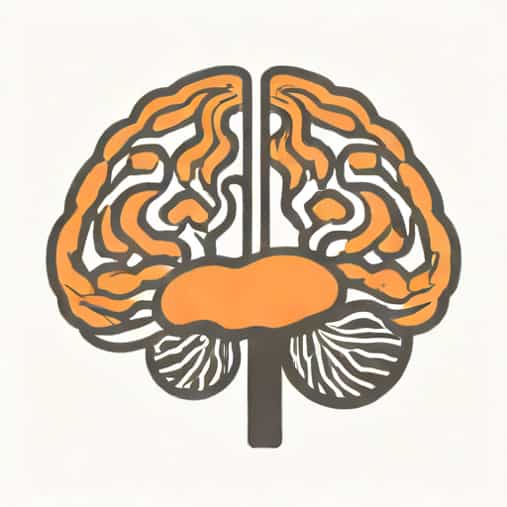
The human brain is an incredibly complex organ made up of many specialized regions that work together to support thought, movement, emotion, and learning. Two of the most important areas are the cerebral cortex and the cerebellar cortex. These structures are often mentioned in neuroscience because of the unique cells, layers, and networks found within them. Understanding what is found in the cerebral and cerebellar cortices helps explain how the brain processes information and coordinates behavior in everyday life.
Overview of the Cerebral Cortex
The cerebral cortex is the outer layer of the brain and is responsible for many higher-level functions. It plays a major role in thinking, decision-making, language, sensory perception, and voluntary movement. This region is highly folded, creating grooves and ridges that increase surface area and allow for more neural connections.
Within the cerebral cortex are billions of neurons arranged in organized layers. These neurons communicate through electrical and chemical signals, forming networks that support complex mental activities. The cerebral cortex is divided into different lobes, each with specialized functions, but they all share similar cellular structures.
Key Cells Found in the Cerebral Cortex
Several types of neurons and support cells are found in the cerebral cortex. Each plays a specific role in information processing and brain health.
- Pyramidal neurons, which transmit signals to other brain regions
- Interneurons, which help regulate and refine neural activity
- Glial cells, which support, nourish, and protect neurons
Pyramidal neurons are especially important because they form long connections that link different parts of the brain. Their shape allows them to integrate information from many sources.
Layered Structure of the Cerebral Cortex
One of the defining features found in the cerebral cortex is its layered organization. Most areas contain six distinct layers, each with specific types of cells and connections. These layers help organize how information flows from one region to another.
Some layers receive input from sensory organs, while others send output signals to muscles or other brain regions. This structured design allows the cerebral cortex to handle complex tasks such as interpreting visual images or planning actions.
Overview of the Cerebellar Cortex
The cerebellar cortex is located at the back of the brain, underneath the cerebral hemispheres. Although it is smaller in size, it contains more neurons than the rest of the brain combined. The cerebellum is best known for its role in movement coordination, balance, and motor learning.
In addition to movement, research shows that the cerebellar cortex also contributes to cognitive processes such as attention, language, and emotional regulation. This has made it an increasingly important topic in modern neuroscience.
Distinctive Cells Found in the Cerebellar Cortex
The cerebellar cortex has a more uniform structure compared to the cerebral cortex, but it contains highly specialized neurons. These cells work together to fine-tune motor commands and timing.
- Purkinje cells, which serve as the main output neurons
- Granule cells, which are the most numerous neurons in the brain
- Basket and stellate cells, which help regulate signaling
Purkinje cells are especially notable because of their elaborate branching patterns. They receive input from thousands of other neurons, allowing precise control over motor output.
Layered Organization of the Cerebellar Cortex
Unlike the cerebral cortex, the cerebellar cortex has three distinct layers. These layers are consistent across most regions of the cerebellum, giving it a highly organized appearance.
The outer molecular layer contains many connections between neurons. The middle layer is made up of Purkinje cell bodies, while the inner granular layer contains densely packed granule cells. This arrangement supports rapid and accurate processing of movement-related information.
Similarities Between Cerebral and Cerebellar Cortices
Although the cerebral and cerebellar cortices differ in structure and function, they also share important similarities. Both contain layered arrangements of neurons and rely on precise communication between cells.
In both cortices, excitatory and inhibitory neurons work together to balance brain activity. This balance is essential for preventing excessive signaling and maintaining smooth, coordinated function.
Shared Role of Plasticity
One important feature found in the cerebral and cerebellar cortices is neural plasticity. Plasticity refers to the brain’s ability to change connections based on experience and learning. This allows people to acquire new skills, recover from injury, and adapt to new environments.
In the cerebral cortex, plasticity supports learning and memory. In the cerebellar cortex, it is essential for refining movements and improving accuracy over time.
Functional Differences Between the Two Cortices
Despite their similarities, the functions of the cerebral and cerebellar cortices are quite different. The cerebral cortex is heavily involved in conscious thought and perception. It allows people to reason, imagine, and plan for the future.
The cerebellar cortex, on the other hand, works mostly behind the scenes. It adjusts motor commands without conscious awareness, making movements smooth and efficient. Damage to this area often leads to coordination problems rather than loss of strength.
Why These Cortices Matter for Everyday Life
Everything from walking and speaking to solving problems depends on healthy activity in the cerebral and cerebellar cortices. When these areas function properly, actions feel natural and thoughts flow smoothly.
Conditions that affect cells found in the cerebral and cerebellar cortices can lead to noticeable changes. For example, injuries or diseases affecting the cerebral cortex may impact memory or language, while cerebellar damage often affects balance and timing.
Development Across the Lifespan
Both cortices develop over many years. The cerebral cortex continues to mature into early adulthood, especially areas related to judgment and self-control. The cerebellar cortex also develops gradually, supporting improvements in motor skills and coordination during childhood.
This long development period highlights how sensitive these regions are to experience, learning, and environment.
The structures found in the cerebral and cerebellar cortices form the foundation of human behavior and ability. Through specialized cells, layered organization, and complex connections, these regions support everything from simple movements to advanced thinking. Understanding their roles provides valuable insight into how the brain works as an integrated system, helping explain both everyday actions and the effects of neurological disorders.