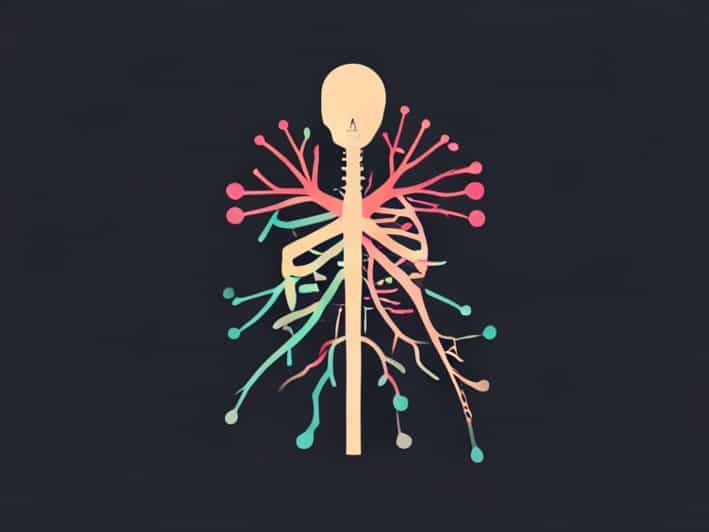
The human body performs countless functions every second without conscious effort, such as regulating heartbeat, controlling digestion, adjusting breathing, and maintaining body temperature. These automatic processes are managed by a specialized part of the nervous system known as the autonomic nervous system. While many people are familiar with the idea of nerves controlling movement and sensation, fewer understand how deeply the autonomic nervous system influences daily life. From responding to stress to maintaining internal balance, this system works continuously in the background to keep the body stable and responsive to its environment.
Overview of the Autonomic Nervous System
The autonomic nervous system, often abbreviated as ANS, is a division of the peripheral nervous system responsible for regulating involuntary bodily functions. Unlike the somatic nervous system, which controls voluntary movements like walking or lifting objects, the autonomic nervous system operates automatically. It sends signals between the brain, spinal cord, and internal organs to ensure that vital processes occur smoothly.
This system plays a central role in maintaining homeostasis, which refers to the body’s ability to maintain a stable internal environment despite changes in external conditions. Blood pressure, heart rate, digestion, metabolism, and glandular activity are all influenced by autonomic nerve activity.
Main Divisions of the Autonomic Nervous System
The autonomic nervous system is traditionally divided into three main components the sympathetic nervous system, the parasympathetic nervous system, and the enteric nervous system. Each division has distinct functions, yet they work together to regulate the body.
Sympathetic Nervous System
The sympathetic nervous system is commonly associated with the fight or flight response. It prepares the body to respond to perceived threats or stressful situations. When activated, it increases heart rate, dilates pupils, and redirects blood flow toward muscles.
This system uses chemical messengers called neurotransmitters, primarily norepinephrine, to communicate with organs. Its effects are widespread and rapid, allowing the body to react quickly when necessary.
- Increases heart rate and blood pressure
- Slows down digestion
- Expands airways in the lungs
- Triggers release of energy from stored resources
Parasympathetic Nervous System
The parasympathetic nervous system is often described as the rest and digest system. It promotes relaxation, recovery, and energy conservation. This division counterbalances the sympathetic system and helps the body return to a calm state after stress.
Parasympathetic activity slows the heart rate, stimulates digestive processes, and supports functions related to maintenance and repair. Acetylcholine is the primary neurotransmitter used by this system.
- Reduces heart rate
- Stimulates digestion and nutrient absorption
- Promotes relaxation and sleep
- Supports immune and restorative processes
Enteric Nervous System
The enteric nervous system is sometimes referred to as the second brain because of its complexity and relative independence. It is embedded within the walls of the gastrointestinal tract and controls digestion directly.
Although it communicates with both the sympathetic and parasympathetic systems, the enteric nervous system can function on its own. It regulates muscle contractions, enzyme secretion, and blood flow within the digestive system.
How the Autonomic Nervous System Communicates
Communication within the autonomic nervous system occurs through a network of neurons that transmit electrical and chemical signals. These signals travel from the central nervous system to target organs using a two-neuron pathway. The first neuron originates in the brain or spinal cord, while the second neuron connects directly to the organ.
This structure allows for precise regulation of internal organs. Autonomic ganglia, which are clusters of nerve cell bodies, serve as relay points where signals are modified before reaching their destination.
Role in Stress and Emotional Responses
The autonomic nervous system is closely linked to emotional and psychological states. Stress, anxiety, excitement, and fear all trigger autonomic responses. For example, sweating palms, a racing heart, or an upset stomach are physical signs of autonomic activation.
Chronic stress can lead to prolonged sympathetic nervous system activation, which may contribute to health issues such as high blood pressure, digestive problems, and sleep disturbances. Balanced autonomic function is therefore essential for long-term well-being.
Autonomic Regulation of Major Organs
Nearly every major organ system in the body is influenced by the autonomic nervous system. The heart, lungs, digestive tract, kidneys, and glands all receive autonomic signals that fine-tune their activity.
Heart and Blood Vessels
The heart is under constant autonomic control. Sympathetic signals increase heart rate and force of contraction, while parasympathetic signals slow the heart down. Blood vessels also respond to autonomic input by constricting or dilating, helping regulate blood pressure.
Respiratory System
Breathing is another process regulated automatically. The autonomic nervous system adjusts airway diameter and breathing rate based on oxygen needs. During physical activity or stress, sympathetic activation allows more air to reach the lungs.
Digestive System
Digestion depends heavily on parasympathetic activity. When the body is relaxed, digestive secretions increase, and intestinal movements become more active. Sympathetic dominance, on the other hand, slows digestion.
Development and Adaptation Over Time
The autonomic nervous system develops early in life and continues to adapt as a person grows. Lifestyle factors such as physical activity, diet, sleep patterns, and stress management influence autonomic balance.
Regular exercise and relaxation practices can strengthen parasympathetic activity, while chronic stress and poor habits may disrupt autonomic regulation. This adaptability highlights the system’s responsiveness to daily choices.
Disorders of the Autonomic Nervous System
When the autonomic nervous system does not function properly, a range of conditions known as autonomic disorders may occur. Symptoms can include abnormal heart rate, blood pressure instability, digestive issues, and temperature regulation problems.
These disorders may result from underlying diseases, nerve damage, or genetic factors. Diagnosis often requires specialized testing to assess autonomic responses under different conditions.
Importance of the Autonomic Nervous System in Daily Life
Although it operates largely outside of conscious awareness, the autonomic nervous system is essential for survival. It allows the body to respond instantly to internal and external changes without deliberate thought.
Understanding how this system works helps explain why lifestyle choices have such a strong impact on health. Supporting autonomic balance through stress management, healthy habits, and adequate rest contributes to overall physical and mental stability.
The autonomic nervous system is a complex and vital network that regulates involuntary bodily functions. Through its sympathetic, parasympathetic, and enteric divisions, it maintains internal balance and enables adaptive responses to stress and relaxation. By quietly controlling essential processes, the autonomic nervous system ensures that the body functions efficiently every moment of the day.