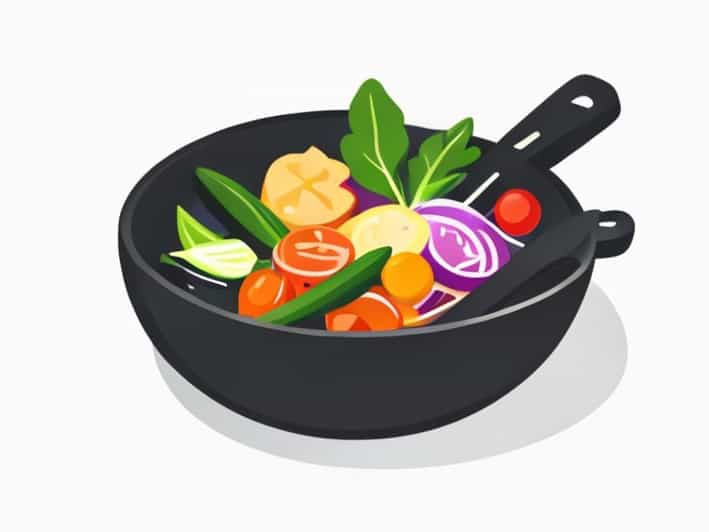
Cooking vegetables in a way that preserves their flavor, texture, and nutrients is an essential skill in the kitchen. Two popular methods for preparing vegetables are sautéing and pan-frying, both of which use heat and a small amount of oil to transform simple ingredients into delicious dishes. These techniques are versatile, quick, and allow the natural taste of vegetables to shine while adding subtle caramelization and crispiness. Understanding the differences and proper techniques for sautéing and pan-frying can elevate everyday meals and provide a healthier alternative to deep-frying, all while offering vibrant colors and appealing textures that make vegetables irresistible.
Understanding Sautéing and Pan-Frying
Sautéing and pan-frying are often confused because they both involve cooking food in a pan with oil, but the methods and results are slightly different. Sautéing typically uses high heat and small, uniform pieces of vegetables that cook quickly. The goal is to cook the food evenly while retaining its tenderness and bright color. Pan-frying, on the other hand, usually involves slightly larger pieces and a moderate amount of oil, resulting in a crisp exterior and tender interior. Both methods are widely used in home kitchens and professional cooking for their ability to enhance the natural flavors of vegetables.
The Technique of Sautéing Vegetables
Sautéing is a quick and efficient cooking method that allows vegetables to cook while retaining their flavor and nutrients. To sauté vegetables, a small amount of oil, such as olive or vegetable oil, is heated in a pan over medium-high heat. Vegetables are then added and stirred continuously or tossed to ensure even cooking. Common vegetables used for sautéing include bell peppers, zucchini, mushrooms, and spinach. The key to perfect sautéing is maintaining high heat without burning the vegetables, which often takes just a few minutes.
- Heat the pan and oil before adding vegetables to prevent sticking.
- Cut vegetables into uniform sizes to ensure even cooking.
- Stir frequently to cook all sides evenly and avoid burning.
- Season lightly during cooking to enhance flavor.
Example of Sautéed Vegetables
One common example of sautéing is preparing a mix of bell peppers, onions, and zucchini. After heating a tablespoon of olive oil in a skillet, diced onions are added first and cooked for about two minutes. Then, bell peppers and zucchini are added and sautéed until tender but still crisp. Seasoning with salt, pepper, and a pinch of garlic enhances the natural flavors. The result is a colorful, flavorful side dish that complements main courses or can be served over rice or pasta for a light meal.
The Technique of Pan-Frying Vegetables
Pan-frying involves cooking vegetables in slightly more oil than sautéing and often over medium heat. The goal is to create a crisp, caramelized exterior while keeping the inside tender. This method works well for vegetables like potatoes, carrots, eggplants, and asparagus. Pan-frying is ideal for achieving a slightly browned and crunchy texture, making vegetables more appealing and flavorful. It requires careful attention to the heat level to avoid burning while allowing proper browning.
- Use a non-stick or heavy-bottomed pan to distribute heat evenly.
- Add enough oil to coat the pan and facilitate browning.
- Cook vegetables in a single layer to prevent steaming.
- Turn or flip pieces as needed for even cooking and caramelization.
Example of Pan-Fried Vegetables
A simple example of pan-frying is making crispy asparagus with garlic. After heating two tablespoons of oil in a skillet, trimmed asparagus spears are placed in a single layer. Cook over medium heat for about five to seven minutes, turning occasionally, until the asparagus is golden brown and slightly crisp. Adding minced garlic during the last minute of cooking infuses the vegetables with a rich aroma and flavor. The finished dish is tender inside with a satisfying crunch on the outside, making it a perfect side or addition to a salad.
Differences Between Sautéing and Pan-Frying
While sautéing and pan-frying both involve cooking with oil in a pan, their differences lie in heat, oil usage, and texture outcomes. Sautéing uses higher heat and minimal oil, focusing on quick cooking and tender, lightly browned vegetables. Pan-frying uses moderate heat with more oil, aiming for a crisp, caramelized exterior. Sautéed vegetables tend to be softer and more delicate, while pan-fried vegetables have a heartier texture and more pronounced flavor from browning. Choosing the right method depends on the desired outcome and the type of vegetable being cooked.
Tips for Perfectly Cooked Vegetables
- Always preheat the pan before adding vegetables to prevent sticking and ensure even cooking.
- Cut vegetables into uniform sizes to cook evenly and avoid overcooked or undercooked pieces.
- Season gradually during cooking to allow flavors to develop.
- Use the right type of oil based on the cooking temperature; high smoke point oils like canola or sunflower are ideal for pan-frying.
- Avoid overcrowding the pan to allow proper browning and prevent steaming.
Health Benefits of Sautéing and Pan-Frying Vegetables
Both sautéing and pan-frying vegetables are healthier alternatives to deep-frying because they use less oil and retain more nutrients. Quick cooking at moderate or high heat helps preserve vitamins and minerals, while also enhancing flavor without adding heavy sauces or breading. Using fresh, seasonal vegetables further increases the nutritional value and taste. Additionally, these methods allow for the inclusion of healthy oils, herbs, and spices, making the dishes both flavorful and beneficial for overall health.
Sautéing and pan-frying vegetables are essential techniques in the kitchen that enhance flavor, texture, and visual appeal. Sautéing offers quick, tender, and lightly browned results, ideal for delicate vegetables like peppers and zucchini. Pan-frying provides a crisp, caramelized exterior while keeping the inside tender, perfect for heartier vegetables like potatoes and asparagus. By understanding the differences, proper techniques, and examples of each method, home cooks can prepare delicious, nutritious, and visually appealing vegetable dishes. Mastering these cooking methods ensures that vegetables are not only a healthy part of every meal but also an enjoyable and flavorful experience for everyone at the table.