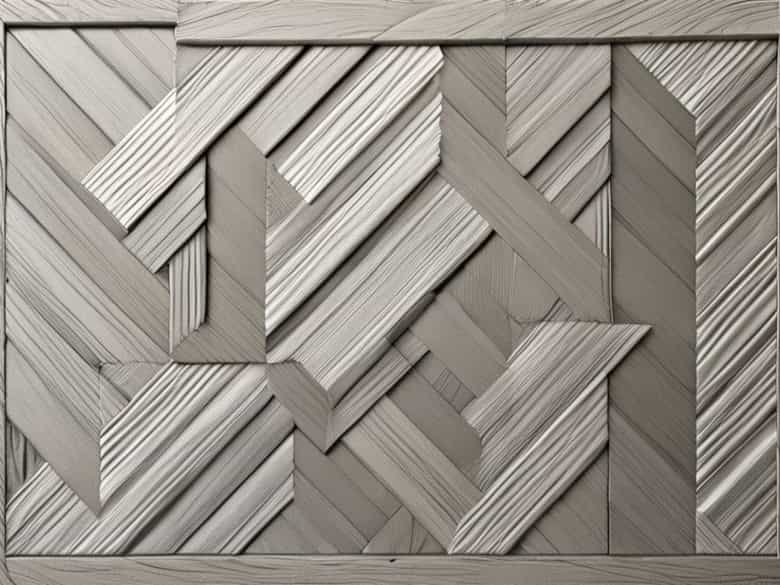
Build and batten herringbone fretwork panels have become a popular choice for interior and exterior design, offering a sophisticated and modern aesthetic while maintaining a sense of craftsmanship and detail. These panels combine the classic herringbone pattern with the versatility of fretwork, creating visually striking textures and patterns on walls, ceilings, cabinetry, and furniture. The build and batten method allows for precision, durability, and customization, making it suitable for both residential and commercial applications. Homeowners, designers, and builders are increasingly turning to these panels to elevate spaces with a blend of elegance, texture, and functional design.
Understanding Herringbone Fretwork Panels
Herringbone fretwork panels feature a repeating V-shaped pattern that interlocks to create a dynamic visual effect. The pattern has historical roots in architecture and design, often used in flooring, woodwork, and textiles. When combined with fretwork-ornamental designs that involve intricate cutouts or patterns-the panels gain additional depth, texture, and character. This combination allows for both aesthetic appeal and functional versatility in different design contexts.
The Build and Batten Technique
The build and batten technique is essential for constructing durable and precise herringbone fretwork panels. This method involves
- Base ConstructionCreating a solid framework or substrate to support the panel, often using plywood or medium-density fiberboard (MDF).
- Panel AssemblyArranging herringbone slats or pieces in a precise pattern on the base, ensuring proper alignment and spacing.
- Batten InstallationApplying thin strips of wood or metal over the joints or seams to reinforce the structure and create a clean, finished look.
- FinishingSanding, staining, or painting the panels to enhance the natural beauty of the wood or match the desired interior color palette.
Materials for Herringbone Fretwork Panels
Selecting the right materials is crucial for both durability and aesthetic appeal. Common materials include
- Solid WoodOffers natural warmth and texture; ideal for high-end residential projects or feature walls.
- MDF or PlywoodCost-effective and easy to work with, suitable for painted finishes and large-scale installations.
- Metal or Composite MaterialsProvides a modern industrial look, often used in commercial or outdoor settings.
- Decorative VeneersCan simulate premium wood finishes at a lower cost, offering flexibility in design.
Choosing the Right Wood Species
Wood selection affects both appearance and durability. Popular choices for herringbone fretwork panels include oak, maple, walnut, and cherry. Each wood species offers distinct grain patterns, color tones, and textures. Hardwoods like oak and maple provide long-lasting durability and a rich aesthetic, while softer woods can be easier to cut and shape for intricate fretwork designs.
Applications of Build and Batten Herringbone Panels
Herringbone fretwork panels are versatile and can be applied in various areas to enhance interior and exterior spaces. Some common applications include
Wall Panels
Installing herringbone fretwork on walls adds texture and visual interest, creating feature walls in living rooms, bedrooms, or commercial spaces. The panels can be stained to highlight the natural wood grain or painted for a contemporary look.
Ceiling Treatments
Herringbone fretwork panels on ceilings can transform ordinary spaces into architectural focal points. The intricate pattern draws the eye upward and adds depth, making rooms feel more expansive and luxurious.
Cabinetry and Furniture
Panels can be incorporated into cabinet doors, wardrobes, and furniture fronts to add elegance and texture. The combination of herringbone patterns and fretwork cutouts elevates ordinary furniture into a statement piece.
Room Dividers and Screens
Herringbone fretwork panels can also serve as decorative room dividers, allowing light to pass through while maintaining a sense of separation. This application works well in open-plan homes, offices, or hospitality settings.
Design Considerations
When designing build and batten herringbone fretwork panels, several factors should be considered to achieve the desired effect
- Scale and ProportionThe size of the herringbone pieces and fretwork openings should complement the dimensions of the room or furniture piece.
- Color and FinishChoose finishes that enhance the natural beauty of the wood or align with the room’s color palette.
- LightingProper lighting can accentuate the depth and texture of fretwork patterns, creating dramatic shadows and highlights.
- DurabilityConsider the material’s resistance to wear, moisture, and temperature changes, especially for high-traffic areas or outdoor use.
- Installation MethodAccurate measurement, alignment, and secure attachment are critical to maintain the precision of the herringbone pattern.
Installation Tips
Installing build and batten herringbone fretwork panels requires precision and attention to detail. Key tips include
- Ensure the wall or substrate is level and smooth before installation.
- Use spacers and guides to maintain consistent herringbone angles and spacing.
- Pre-finish panels when possible to simplify the final installation process.
- Secure battens properly to prevent warping and maintain structural integrity.
- Take time to align each fretwork piece carefully, as small errors can disrupt the pattern.
Maintenance and Care
Proper maintenance ensures that build and batten herringbone fretwork panels retain their beauty and functionality over time. Recommendations include
- Regular dusting and gentle cleaning to prevent dirt buildup in fretwork openings.
- Periodic inspection of joints and battens for signs of wear or loosening.
- Refinishing or sealing wood surfaces every few years to protect against moisture and UV exposure.
- Avoid harsh chemicals or abrasive cleaners that can damage the finish.
- For painted panels, touch-ups can maintain a consistent look and prevent discoloration.
Build and batten herringbone fretwork panels offer a timeless combination of elegance, texture, and craftsmanship. By combining the classic herringbone pattern with intricate fretwork and the sturdy build and batten technique, these panels create visually striking surfaces suitable for a wide range of applications. Whether used as wall panels, ceiling treatments, furniture accents, or room dividers, they provide both functional and aesthetic value. Selecting the right materials, finishes, and installation methods ensures durability and long-lasting beauty. With thoughtful design, careful installation, and proper maintenance, build and batten herringbone fretwork panels can transform any space into a sophisticated, textured, and visually engaging environment.