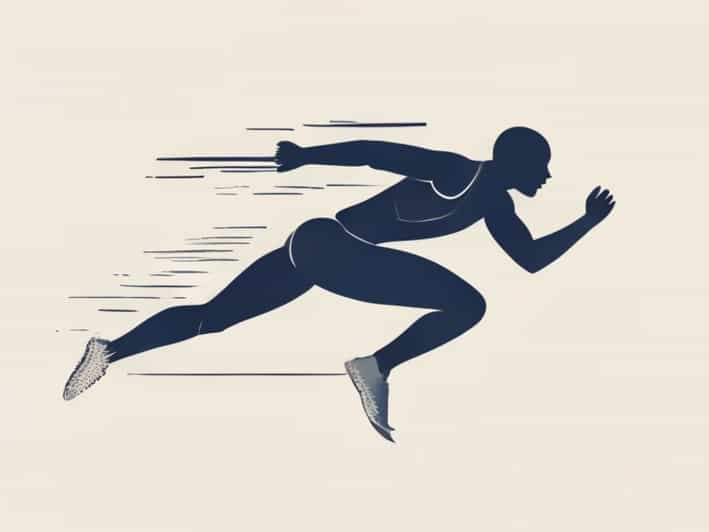
Speed, coordination, and efficiency are qualities admired not only in athletics but also in many forms of movement and performance. When coaches, athletes, and even fitness enthusiasts talk about improving motion, they often look beyond a single discipline. To borrow the mechanics of sprinting and hurdling is to study how the body produces power, maintains balance, and overcomes obstacles with minimal wasted energy. These mechanics offer valuable lessons that can be applied far beyond the track.
Understanding the Core Mechanics of Sprinting
Sprinting is one of the most natural yet technically demanding forms of human movement. At its core, sprinting relies on explosive force, precise timing, and efficient posture. The goal is simple move forward as fast as possible. Achieving that goal, however, requires refined mechanics.
Key sprinting mechanics include a forward-leaning posture during acceleration, powerful hip extension, and rapid ground contact. The arms play a critical role, driving forcefully backward and forward to balance the legs. When people borrow the mechanics of sprinting, they are often borrowing these principles of power generation and rhythm.
Posture and Alignment
Good sprinting posture keeps the head, shoulders, hips, and feet aligned. This alignment reduces energy loss and allows force to travel efficiently through the body. Slouching or overstriding disrupts momentum.
Outside of track and field, this idea of alignment can improve running form for recreational athletes and even influence how people walk, lift, or perform dynamic movements.
The Unique Mechanics of Hurdling
Hurdling adds another layer of complexity to sprinting. While speed remains important, hurdlers must also clear barriers without breaking rhythm. This requires exceptional coordination, flexibility, and spatial awareness.
The mechanics of hurdling emphasize quick lead-leg action, efficient trail-leg recovery, and precise timing. Unlike jumping straight upward, hurdling focuses on moving forward with minimal vertical lift. This principle is often borrowed in sports that involve obstacles or rapid changes in elevation.
Maintaining Momentum Over Obstacles
One of the most valuable lessons from hurdling is how to maintain momentum while overcoming an obstacle. Hurdlers do not stop or slow down significantly; instead, they flow over barriers.
This concept can be applied in agility training, parkour, and even rehabilitation exercises, where smooth transitions matter more than raw strength.
Why Borrow These Mechanics?
The reason to borrow the mechanics of sprinting and hurdling lies in their efficiency. These movements have been refined through decades of biomechanical research and athletic experience. They represent some of the most efficient ways the human body can move quickly and smoothly.
By studying these mechanics, coaches and practitioners can identify patterns that improve performance in other activities. This approach saves time and reduces the risk of injury caused by inefficient movement.
- Improved speed and acceleration
- Better balance and coordination
- Reduced unnecessary movement
Applications Beyond Track and Field
The mechanics of sprinting and hurdling are not limited to competitive running. Many sports borrow these principles to enhance performance. Soccer players, for example, sprint repeatedly and navigate opponents in ways similar to hurdling movements.
Basketball and tennis athletes benefit from sprint mechanics during quick bursts, while hurdling concepts help with lateral movement and obstacle avoidance. Even dancers and martial artists use similar ideas when transitioning between positions.
Fitness Training and Everyday Movement
In fitness training, borrowing sprinting mechanics can improve running drills, high-intensity interval training, and functional workouts. Emphasizing proper arm swing, posture, and foot placement makes exercises safer and more effective.
Hurdling mechanics can be adapted into mobility drills and coordination exercises. Stepping over low barriers or cones teaches control and awareness, especially for older adults working on balance.
Injury Prevention Benefits
Efficient mechanics reduce stress on joints and muscles. When movements are smooth and aligned, the body absorbs impact more evenly. This reduces the risk of overuse injuries.
Borrowing sprint and hurdle mechanics also encourages stronger hips and core muscles, which are essential for stability and long-term movement health.
Key Elements to Focus On
When adapting these mechanics, it is important to focus on fundamental elements rather than copying elite athletes exactly. Everyone’s body is different, and mechanics should be adjusted accordingly.
- Controlled arm movement for balance
- Strong and stable core engagement
- Quick but light ground contact
- Forward-focused movement instead of excessive jumping
Learning and Practicing the Mechanics
Learning to borrow the mechanics of sprinting and hurdling requires patience and observation. Video analysis, slow drills, and guided practice can help individuals understand how their bodies move.
Starting with simple drills, such as high knees or step-overs, builds a foundation. Over time, these drills can become more dynamic, gradually resembling real sprinting or hurdling patterns.
The Role of Coaching and Feedback
Feedback plays a crucial role in mastering mechanics. Coaches and trainers help identify inefficiencies that may not be obvious to the individual. Even small adjustments can lead to noticeable improvements.
Self-awareness also matters. Paying attention to how movements feel, not just how they look, helps reinforce proper technique.
Mindset and Movement Quality
Borrowing mechanics is not only about physical technique; it also involves mindset. Sprinting and hurdling demand focus, confidence, and commitment to movement quality.
Rushing drills or ignoring form undermines the benefits. Emphasizing quality over quantity ensures that borrowed mechanics translate into real-world improvement.
Adapting Mechanics for Different Levels
Beginners may focus on basic posture and coordination, while advanced athletes refine timing and power. The adaptability of sprinting and hurdling mechanics makes them accessible to many levels.
This adaptability is one reason these mechanics are widely used in physical education, sports training, and rehabilitation programs.
A Broader Perspective on Movement
To borrow the mechanics of sprinting and hurdling is to appreciate how the human body is designed to move efficiently. These mechanics represent a balance between strength, speed, and control.
When applied thoughtfully, they enhance not only athletic performance but also everyday movement. Walking, climbing stairs, or reacting quickly to a situation all benefit from improved coordination and posture.
Final Reflection
Sprinting and hurdling may seem specialized, but their underlying mechanics are universal. They teach how to generate power, maintain balance, and move smoothly through space.
By borrowing these mechanics and adapting them wisely, individuals can improve performance, reduce injury risk, and gain a deeper understanding of movement itself. In this way, the lessons of the track extend far beyond the finish line.