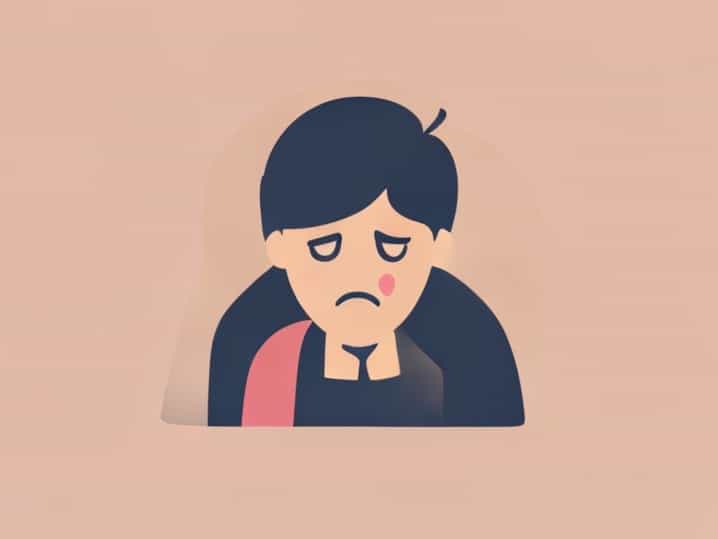
Feeling abashed when confronted with a sense of guilt is a complex emotional experience that many people encounter in daily life. This feeling can arise from personal mistakes, social interactions, or moral lapses and often triggers a mix of embarrassment, remorse, and self-reflection. Being abashed is not merely a fleeting emotion; it reflects a deeper awareness of having acted in a way that conflicts with one’s values or societal expectations. Understanding this emotion, its causes, and ways to cope with it can help individuals navigate feelings of guilt more effectively and foster personal growth.
Understanding the Feeling of Being Abashed
To be abashed is to feel a sudden sense of embarrassment or shame, usually when one is confronted with wrongdoing or a moral misstep. This emotion often combines social anxiety with an internal acknowledgment of guilt. Unlike general embarrassment, which may arise from awkward situations, being abashed typically involves self-awareness and recognition of having failed in some way, either ethically or socially. The experience can be intense, leading to physical responses like blushing, avoidance of eye contact, or a desire to withdraw from the situation.
The Connection Between Guilt and Being Abashed
Guilt is a primary emotional driver behind feeling abashed. Guilt arises when individuals perceive that their actions have violated their moral code or negatively affected others. Being confronted with this sense of guilt often heightens feelings of abashment, as it forces the individual to acknowledge their responsibility and the consequences of their actions. The link between guilt and being abashed is deeply rooted in human psychology, as both emotions function to regulate behavior, promote ethical conduct, and strengthen social bonds.
Common Situations That Trigger Abashment
There are many scenarios in which a person might feel abashed due to guilt. Recognizing these situations helps in understanding and managing the emotional response.
Interpersonal Conflicts
Disagreements or misunderstandings with friends, family, or colleagues can trigger abashment when one realizes their words or actions caused harm. Guilt in these contexts may arise from unkind remarks, neglecting responsibilities, or failing to support someone in need. Being confronted with the results of these actions can produce a strong sense of embarrassment and a desire to make amends.
Professional or Academic Mistakes
Mistakes at work or school, such as missing deadlines, providing inaccurate information, or failing to complete tasks, can lead to feelings of being abashed. The social component of guilt becomes evident when peers, supervisors, or teachers confront the individual, highlighting the discrepancy between expected behavior and actual actions. This experience can prompt reflection on accountability and the importance of diligence.
Ethical and Moral Lapses
Acts that conflict with one’s personal or societal moral standards, such as dishonesty, neglect, or breaking rules, can produce profound feelings of guilt and embarrassment. When confronted, either by oneself or others, the individual may feel abashed, recognizing the divergence between their actions and their values. This internal confrontation can serve as a catalyst for moral reflection and personal improvement.
Psychological Impact of Being Abashed
Feeling abashed when confronted with guilt has notable psychological effects. While it can be uncomfortable, this emotion also serves important functions in self-regulation and social cohesion.
Promotes Self-Reflection
Abashment encourages individuals to reflect on their actions and their consequences. This self-awareness can lead to personal growth, moral development, and improved decision-making in future situations. By acknowledging guilt, individuals are better able to understand their values and align their behaviors accordingly.
Strengthens Social Bonds
When people feel abashed in social situations, it often motivates reparative actions such as apologies or corrective behavior. This response helps maintain trust and strengthens relationships, as others perceive the individual as responsible and empathetic. In this way, being abashed can reinforce ethical conduct and promote cooperation within social groups.
Potential Negative Effects
While being abashed can have positive outcomes, excessive or unresolved feelings of embarrassment and guilt may lead to negative consequences. Chronic self-recrimination, social withdrawal, or low self-esteem can result if individuals dwell on guilt without constructive action. It is important to balance recognition of mistakes with strategies for resolution and emotional regulation.
Ways to Cope with Feeling Abashed
Managing the discomfort of being abashed involves both cognitive and behavioral strategies. By addressing the underlying guilt and taking proactive steps, individuals can turn this challenging emotion into an opportunity for growth.
Acknowledge and Accept Responsibility
The first step is to acknowledge the source of guilt and accept responsibility for one’s actions. Avoiding or denying mistakes can prolong feelings of abashment. Open acknowledgment allows individuals to confront their emotions directly and begin the process of repair.
Communicate and Apologize
When the abashment arises from interactions with others, clear communication and sincere apologies are essential. Expressing remorse not only alleviates guilt but also restores trust and strengthens relationships. Effective apologies should be specific, acknowledge the impact of one’s actions, and demonstrate a commitment to change.
Reflect and Learn
Use the experience of being abashed as an opportunity for self-reflection. Analyze the factors that led to the mistake, identify alternative behaviors, and develop strategies to prevent similar issues in the future. This reflective approach transforms the discomfort of guilt into constructive learning.
Practice Self-Compassion
Being overly critical of oneself can intensify feelings of abashment and hinder recovery. Practicing self-compassion, understanding that mistakes are part of the human experience, helps individuals manage guilt without succumbing to prolonged shame. Self-compassion supports emotional resilience and encourages healthier coping mechanisms.
Benefits of Experiencing Abashment
Although uncomfortable, feeling abashed when confronted with guilt has several benefits
- Enhances moral and ethical awareness by highlighting the consequences of actions.
- Encourages corrective behavior and accountability.
- Strengthens empathy and social connection through reparative actions.
- Supports personal growth and improved decision-making in future situations.
- Promotes emotional intelligence by fostering self-reflection and regulation.
Integrating Lessons Learned
Individuals who process feelings of abashment effectively are more likely to integrate lessons learned into daily life. This integration results in more thoughtful choices, enhanced interpersonal skills, and a stronger alignment between values and actions. In this way, being abashed serves not only as a response to guilt but also as a guide for self-improvement and ethical living.
Feeling abashed when confronted with a sense of guilt is a complex emotional experience that blends embarrassment, remorse, and self-awareness. While it can be uncomfortable, it also serves important psychological and social functions, including promoting self-reflection, encouraging ethical behavior, and strengthening relationships. By acknowledging responsibility, communicating effectively, reflecting on mistakes, and practicing self-compassion, individuals can manage abashment constructively. Understanding this emotion helps transform the discomfort of guilt into a catalyst for personal growth, moral development, and improved social interactions, ultimately enhancing both individual well-being and the quality of interpersonal relationships.