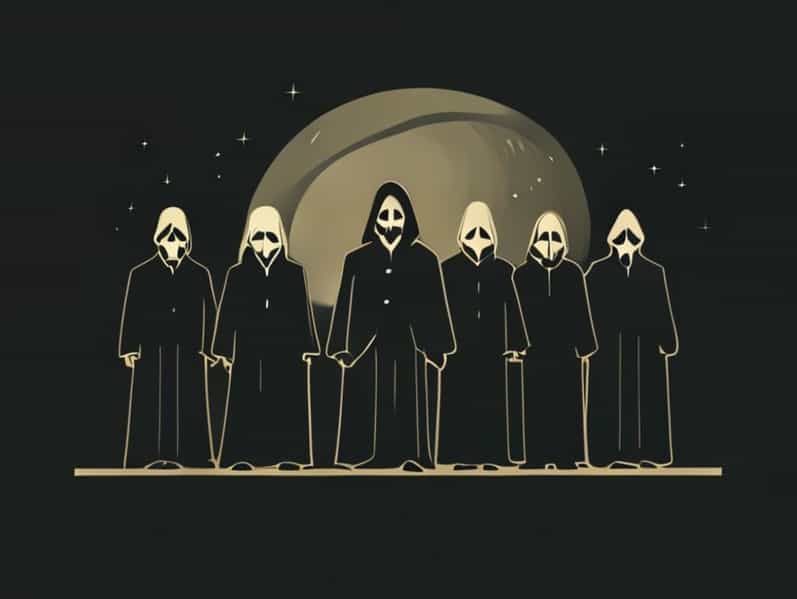
A solemn procession, especially one held for a funeral, is one of the oldest and most meaningful rituals practiced across cultures. It brings together grief, respect, memory, and tradition in a single movement of people walking with intention. Even those who have never joined such a ceremony can easily recognize its quiet dignity and emotional weight. These processions symbolize a final journey, offering closure not only to the deceased but also to the community left behind. Understanding the significance of a funeral procession helps us better appreciate the ways societies cope with loss and the paths they use to honor a life that has passed.
The Meaning Behind a Solemn Funeral Procession
A solemn procession, especially for a funeral, represents much more than simply transporting a body from one place to another. It is a ritual of remembrance and transition. Families, friends, and sometimes entire communities come together to accompany the deceased on their final journey. This act demonstrates that the person mattered, that their presence had an impact, and that their departure is deeply felt.
Funeral processions often unfold at a slow, deliberate pace. This slow movement reflects the weight of the moment, allowing participants time to reflect on the person’s life and the reality of loss. It also signals respect, showing that the community pauses its usual rhythm to honor the one who has passed away.
Historical Origins of Funeral Processions
Ritualized funeral processions have existed since ancient times. In early civilizations, people walked behind the body as a sign of loyalty and farewell. Some cultures believed that walking together protected the deceased from evil spirits or ensured they safely entered the afterlife. Others saw the procession as a way for the living to demonstrate their unity during a moment of vulnerability.
Whether in the streets of ancient Rome, the deserts of Egypt, or the mountain paths of Asia, the practice of taking part in a solemn procession symbolized a universal truth losing someone affects more than one individual; it touches a community. Even today, the core purpose remains the same, showing how deeply rooted this tradition is in human experience.
Cultural Variations Around the World
Different cultures interpret and perform funeral processions in diverse ways, yet the element of solemnity is almost always present. Some processions are silent, while others include music, chants, or prayers. Some involve walking long distances, while others travel by vehicle. Despite these variations, the emotional meaning is shared globally.
Processions in Western Traditions
In many Western societies, a funeral procession typically involves a hearse leading a line of vehicles. Participants drive slowly from the funeral service to the burial site. Cars switch on their headlights as a symbol of unity and respect. In some regions, other drivers on the road stop or pull aside to show their own acknowledgment of the solemn event.
Eastern and Southeast Asian Traditions
In countries such as China, Japan, and parts of Southeast Asia, funeral processions often include spiritual or religious symbolism. People may carry incense, photographs, offerings, or banners. The mourners sometimes follow a prescribed route believed to guide the spirit of the deceased toward peace.
African and Caribbean Traditions
Many African and Caribbean cultures incorporate music into funeral processions, blending solemnity with celebration. Though the atmosphere may differ from Western silent processions, the purpose remains the same honoring the life lived and supporting the grieving family. Drumming, singing, and dancing are not a dismissal of grief but an expression of connection, love, and tradition.
Elements That Make a Funeral Procession Solemn
A solemn procession, whether walking or driving, shares certain core characteristics. These elements are what give the ritual its emotional depth and recognizable form.
- Slow and deliberate movement to emphasize respect
- Unified participation from family or community members
- A clear beginning and end, symbolizing the final journey
- Use of silence, music, or prayer to show reverence
- Objects of symbolic value, such as flowers or candles
These components work together to create a shared experience that allows mourners to express their grief and pay tribute.
The Psychological Importance of Processions
Funeral rituals play a significant psychological role. Walking or moving together as a group fosters a sense of support and unity. It reminds mourners that they are not facing loss alone. This collective action can provide comfort, helping individuals process emotions that might otherwise feel overwhelming.
The slow pace of a solemn procession also encourages reflection. Participants naturally begin to think about the person they have lost, memories shared, and lessons learned. Such reflection is a key part of healing. It transforms grief from something chaotic into something meaningful.
Modern Interpretations and Adaptations
As societies evolve, the form of funeral processions also changes. In urban areas, strict traffic rules may require processions to move by car rather than on foot. Digital memorials sometimes accompany physical gatherings, especially when distant relatives cannot travel. Some families choose personalized processions, incorporating the deceased’s interests or values.
Yet even with these adaptations, the essence remains unchanged. A solemn procession still marks an important transition and acknowledges the emotional weight of death. Modern variations simply show how flexible the ritual is, capable of adapting to new generations while retaining its symbolic power.
The Role of Symbolism in Funeral Processions
Symbolism gives funeral processions emotional depth. Flowers placed on the casket might represent purity or remembrance. Candles symbolize the continuation of spirit. In some traditions, white clothing reflects peace, while in others, black attire represents mourning. These symbols help articulate emotions that words alone may not express.
- White flowers are often used to signify respect and purity
- Slow drumming may represent the rhythm of life transitioning
- Walking routes can symbolize the journey of the soul
Such symbolic gestures elevate the procession beyond logistics and transform it into a meaningful ritual.
Respect and Etiquette During a Funeral Procession
Participating in or witnessing a funeral procession requires sensitivity. Those who join the procession follow the lead vehicle or move at the pace of the group. Silence, or quietly spoken words, is usually encouraged. Spectators or drivers who encounter a procession often show respect by pausing or allowing the group to pass unobstructed.
This shared respect strengthens the social fabric. It acknowledges that grief is universal and that honoring the deceased matters, even between strangers.
Why Funeral Processions Endure Through Time
A solemn procession has endured for centuries because it meets deep human needs. It provides structure at a time when emotions may feel disorganized. It brings people together in a shared act of remembrance. It bridges the gap between the physical world and the spiritual or symbolic one. Most importantly, it offers a ritual that says this life was seen, valued, and honored.
Even as technology changes society, these rituals continue because they speak to something timeless. They remind us that we are all part of a larger human story-one that includes love, loss, memory, and continuity.
Final Reflection
A solemn procession, especially one held for a funeral, captures the essence of communal mourning and heartfelt respect. Whether quiet or musical, traditional or modern, the act of moving together in honor of a life lost is powerful. It creates a moment of unity, helps the living accept the reality of death, and celebrates the significance of the person mourned. The endurance of this ritual across cultures and centuries shows its importance not only as a ceremony, but as a deeply human expression of love and remembrance.