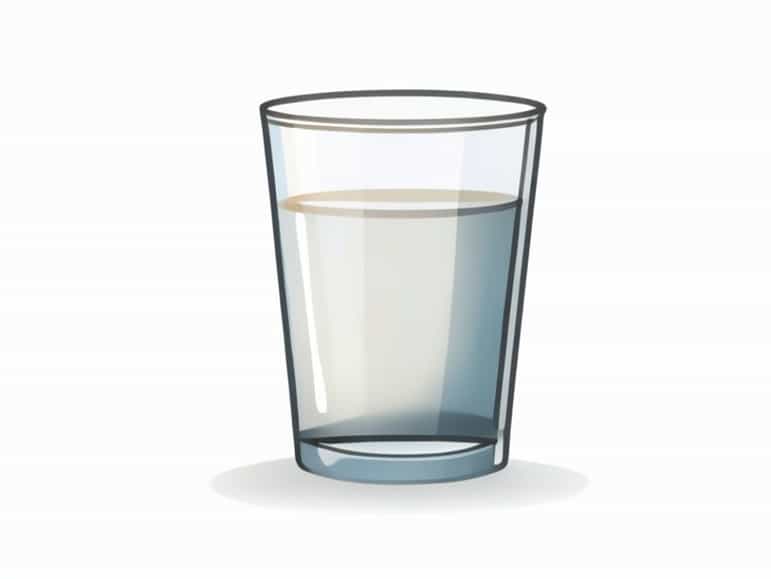
Glass tumblers are a common household item found in kitchens, dining areas, and cafes around the world. While they may seem simple, understanding their optical properties, such as whether they are transparent or translucent, involves basic principles of physics and material science. The distinction between transparency and translucency affects not only how we perceive the glass but also its practical use in everyday life. Knowing these properties helps in selecting the right type of glass for various purposes, from drinking vessels to decorative objects, and ensures the best functionality and aesthetic appeal.
Understanding Transparency and Translucency
To determine whether a glass tumbler is transparent or translucent, it is essential to understand these terms.Transparencyrefers to a material’s ability to allow light to pass through with minimal scattering, enabling clear visibility of objects on the other side.Translucency, on the other hand, describes materials that allow light to pass through but scatter it in different directions, making objects appear blurred or indistinct.
Key Differences
-
TransparentObjects can be seen clearly through the material. Examples include clear window glass, some plastics, and water.
-
TranslucentLight passes through, but objects appear blurry or obscured. Examples include frosted glass, wax paper, and certain plastics.
Glass Tumblers and Optical Properties
Most standard glass tumblers are designed to be transparent. They are made from clear glass that allows light to pass through with minimal distortion, enabling users to see the contents clearly. This transparency is important for practical reasons, such as checking the liquid level, observing the color of beverages, and detecting impurities.
Factors Affecting Transparency
Several factors determine whether a glass tumbler is fully transparent or slightly translucent
-
Glass CompositionThe chemical makeup of glass affects clarity. High-quality soda-lime or borosilicate glass tends to be highly transparent.
-
ThicknessThicker glass can sometimes appear slightly tinted or less clear, which may give a semi-translucent effect under certain lighting.
-
Surface FinishSmooth, polished surfaces maximize transparency, while etched or frosted finishes scatter light, creating translucency.
-
ImpuritiesSmall bubbles or ptopics in the glass can reduce clarity and make the tumbler appear slightly translucent.
Practical Implications of Transparency
Transparency in glass tumblers has several advantages. It allows users to
-
See the amount of liquid inside.
-
Observe the color and consistency of beverages.
-
Detect foreign ptopics or impurities in the drink.
-
Enjoy aesthetic presentations, such as layered cocktails or juices.
In contrast, translucent tumblers are less practical for these purposes but may be chosen for aesthetic or privacy reasons.
Translucent Glass Tumblers
Some glass tumblers are intentionally designed to be translucent. Frosted or colored glass can scatter light, giving a soft, diffused appearance. These tumblers are often used for decorative purposes, mood lighting, or to obscure the contents for a more stylish presentation. Translucency can also provide a safer choice in certain contexts, reducing glare or preventing spills from being too obvious on tables.
Visual Perception and Lighting
The way we perceive a glass tumbler’s transparency also depends on lighting conditions. Bright, direct light enhances the clarity of transparent glass, while dim or diffused lighting may make it appear slightly translucent. Similarly, the angle from which light passes through the glass affects how clear or blurred the contents appear. Understanding the interaction between glass and light helps explain why the same tumbler can sometimes look different in various settings.
Impact of Color and Tint
Some glass tumblers include a slight tint, such as green or blue, due to the presence of iron or other minerals in the glass. While these tumblers remain mostly transparent, the tint can give a subtle translucent effect, slightly altering how the beverage inside appears. Designers often use these tints to enhance visual appeal without sacrificing functionality.
Choosing Between Transparent and Translucent Tumblers
The choice between transparent and translucent glass tumblers depends on their intended use and aesthetic preference. Transparent tumblers are ideal for everyday drinking, formal dining, and situations where visibility of the contents is important. Translucent tumblers are better suited for decorative settings, themed parties, or when a softer, diffused appearance is desired.
Considerations for Selection
-
FunctionalityDo you need to see the liquid clearly?
-
DesignIs aesthetic appearance more important than visibility?
-
LightingWill the tumblers be used in bright or dim settings?
-
DurabilitySome frosted or patterned glass may hide scratches better than clear glass.
Cleaning and Maintenance
The transparency of a glass tumbler also affects how cleaning and maintenance are approached. Transparent tumblers show spots, smudges, and fingerprints more clearly, requiring regular washing and polishing. Translucent tumblers, while hiding minor imperfections, may require careful cleaning if the design includes frosted or etched patterns to prevent damage.
Glass tumblers are generally transparent, allowing clear visibility of their contents, which is essential for practical and aesthetic reasons. However, factors such as glass composition, thickness, surface finish, and lighting can influence whether a tumbler appears fully transparent or slightly translucent. Translucent tumblers, such as frosted or tinted designs, provide stylistic and decorative alternatives that scatter light and create a soft, diffused appearance. Understanding the difference between transparency and translucency, as well as the factors that affect them, helps consumers make informed choices when selecting glass tumblers for everyday use, entertaining, or decorative purposes. Whether you prioritize clarity, style, or ambiance, knowing how glass interacts with light ensures the best selection for your needs.