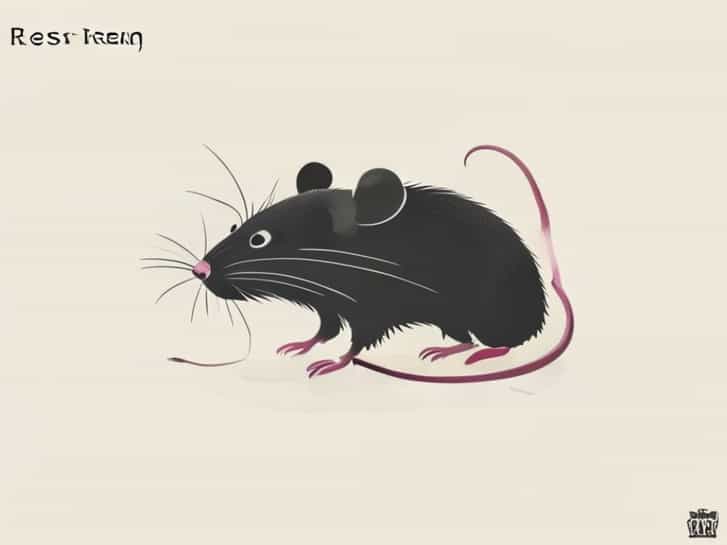
Literary titles often carry deeper meanings that go beyond their literal sense, and The Rattrap is a strong example of this idea. At first glance, the title may seem simple or even strange, but as readers move through the lesson, they realize that it plays a central role in understanding the theme, characters, and message of the story. Justifying the title of the lesson The Rattrap requires careful attention to the symbolic meaning of the rattrap and how it reflects human behavior, moral choices, and the consequences of greed and temptation.
The Literal Meaning of the Rattrap
On a literal level, a rattrap is a device used to catch rats by tempting them with bait such as food. Once the rat enters the trap, it becomes impossible to escape. This simple object is familiar in everyday life, especially in rural settings, and it immediately suggests ideas of entrapment, deception, and danger hidden behind attraction.
In the lesson The Rattrap, the main character is a poor peddler who sells small wire rattraps. His livelihood depends on selling these traps, which already connects his life closely to the object mentioned in the title. This literal connection is the first step in justifying the title, but the deeper meaning lies beyond this surface-level detail.
The Rattrap as a Central Metaphor
The most important justification for the title comes from the metaphor introduced by the peddler himself. He compares the entire world to a giant rattrap. According to him, the world offers temptations like wealth, comfort, and pleasure, just as a rattrap offers bait to a rat. Once a person gives in to these temptations, they may find themselves trapped by consequences they cannot escape.
This metaphor is the backbone of the story. The title The Rattrap directly reflects this philosophical idea, making it highly appropriate. The lesson is not just about a man selling traps but about how life itself can trap people when they make unethical choices.
Temptation as the Bait
In the story, temptation plays the same role as bait in a rattrap. Money, in particular, is shown as a powerful attraction. When the peddler steals thirty kronor from the crofter, he falls into the very trap he described. The easy money becomes the bait, and fear, guilt, and isolation become the trap.
This episode strongly justifies the title because it shows how the metaphor works in real life. The peddler is no longer a free man after the theft; instead, he lives in constant fear of being caught.
The Peddler as a Victim of the Rattrap
The peddler’s life clearly illustrates the idea of being trapped by circumstances and choices. He is poor, lonely, and treated with suspicion by society. These conditions push him toward dishonesty and reinforce his belief that the world is unfair.
When he steals the money, his situation worsens. He cannot return to the road, avoids the forest paths, and hides in fear. Symbolically, he has entered the rattrap of the world. This personal experience reinforces the lesson’s title, as the peddler becomes both a seller of rattraps and a victim of one.
The Role of the Ironmaster and the Trap of Identity
The Ironmaster adds another layer to the justification of the title. He mistakes the peddler for an old acquaintance, a former regimental comrade. This mistaken identity creates a different kind of trap, one related to social roles and expectations.
The peddler feels trapped because he cannot reveal the truth without losing the temporary safety offered by the Ironmaster. At the same time, pretending to be someone else increases his anxiety. This situation shows that traps are not always about money; they can also involve lies, fear, and social pressure.
Social Traps and False Appearances
The Ironmaster’s house represents comfort, warmth, and security, but it also becomes a psychological rattrap for the peddler. He enjoys the hospitality but knows it is based on a misunderstanding. This tension highlights how even kindness can become a trap when it is built on false assumptions.
Once again, the title The Rattrap proves relevant because it reflects these subtle forms of entrapment beyond physical or material traps.
Edla Willmansson and the Possibility of Escape
Edla Willmansson plays a crucial role in giving a new dimension to the title. Unlike others, she treats the peddler with kindness, respect, and trust, even after learning the truth about him. Her compassion offers him a way out of the metaphorical rattrap.
Through Edla, the story suggests that human goodness can break the trap created by greed and fear. This does not weaken the justification of the title; instead, it deepens it by showing that traps are not permanent if one chooses the right moral path.
Redemption as Freedom from the Trap
The peddler’s decision to return the stolen money and sign his letter as Captain von Stahle symbolizes his moral transformation. He frees himself from the rattrap of the world by choosing honesty and gratitude over selfishness.
This moment clearly supports the title, as it shows both the existence of the trap and the possibility of escape through ethical choices and compassion.
The World as a Moral Rattrap
The lesson presents the world as a moral testing ground. People are constantly faced with choices, and each temptation can act as bait. The title The Rattrap effectively captures this idea in a single, powerful image.
By using an everyday object as a symbol for complex human experiences, the title makes the lesson more relatable and memorable. Readers can easily understand and reflect on how they might also fall into similar traps in their own lives.
Why the Title Is Appropriate and Effective
The title is justified because it connects directly to the theme, plot, and message of the lesson. It reflects the peddler’s philosophy, his actions, and his transformation. It also encourages readers to think beyond the story and examine their own relationship with temptation and morality.
Moreover, the simplicity of the title contrasts with the depth of its meaning. This contrast makes the lesson more impactful and ensures that the central idea stays with the reader long after finishing the text.
Justifying the Title The Rattrap
the title The Rattrap is fully justified on both literal and symbolic levels. It refers to the peddler’s profession, his worldview, and the moral message of the lesson. The rattrap serves as a powerful metaphor for the traps created by greed, fear, lies, and social pressures.
At the same time, the story shows that kindness, trust, and moral courage can help individuals escape these traps. This balance between entrapment and redemption makes the title meaningful and appropriate. By the end of the lesson, readers clearly understand that The Rattrap is not just an object, but a reflection of life itself.