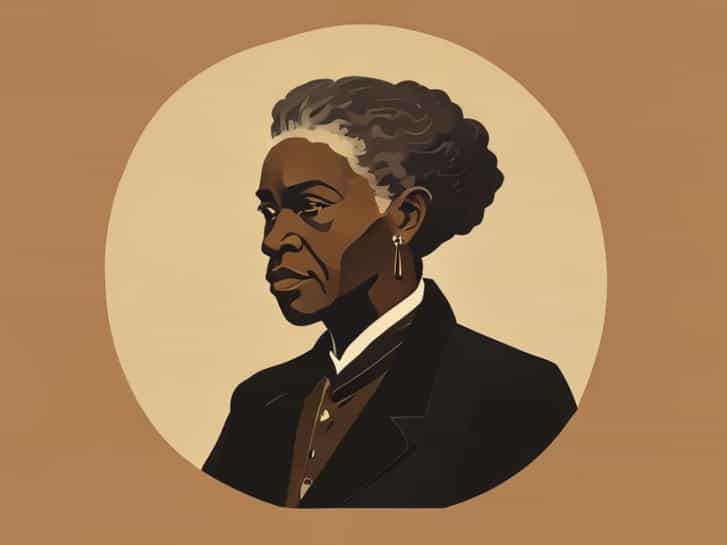
Harriet Tubman is one of the most iconic figures in American history, known for her courageous work as a conductor on the Underground Railroad. Born into slavery, she escaped to freedom but chose to risk her life repeatedly to help others gain their liberty. Tubman’s story is not just one of personal triumph but also of extraordinary leadership, strategic thinking, and unwavering dedication to justice. Her work on the Underground Railroad transformed the lives of hundreds of enslaved people and left an enduring legacy in the fight against slavery and oppression.
Early Life and Escape from Slavery
Harriet Tubman was born around 1822 in Dorchester County, Maryland. She was given the name Araminta Ross at birth and later adopted the name Harriet, after her mother. From an early age, Tubman experienced the brutal realities of slavery, including hard labor, physical punishment, and the constant threat of separation from her family. Despite these hardships, she developed resilience and a strong sense of purpose that would guide her throughout her life.
In 1849, after years of enduring harsh conditions and witnessing the suffering of those around her, Tubman made the bold decision to escape. Traveling at night and relying on the North Star for guidance, she successfully reached Pennsylvania, a free state. Her escape marked the beginning of her lifelong commitment to freedom, not only for herself but for others trapped in bondage.
The Underground Railroad and Tubman’s Role
The Underground Railroad was a secret network of safe houses and routes used by enslaved people to escape to free states and Canada. It was neither underground nor a railroad in the literal sense, but rather a system of cooperation among abolitionists, free African Americans, and sympathetic allies. Harriet Tubman became one of its most famous conductors, guiding enslaved individuals through dangerous terrain and evading capture by slaveholders.
Conducting Missions to Rescue the Enslaved
Tubman made at least 13 missions into the South, bringing approximately 70 enslaved people to freedom. She relied on a combination of knowledge of the terrain, trusted contacts, and coded signals to navigate safely. Her courage was legendary; she reportedly never lost a single person under her care. Tubman’s missions required meticulous planning and extraordinary bravery, as she faced the constant threat of arrest or death.
- She often traveled at night to avoid detection, using natural landmarks and the North Star for navigation.
- Safe houses, or stations, provided temporary shelter, food, and guidance for fugitives.
- She coordinated with abolitionist networks to ensure that each journey had the resources and protection necessary for success.
Leadership and Strategy
Harriet Tubman’s effectiveness as a conductor went beyond physical bravery; she was an exceptional strategist and leader. She understood human psychology and the fears of the enslaved, building trust and offering hope. Tubman also adapted her tactics based on circumstances, such as traveling in groups to avoid suspicion or taking less-traveled routes to prevent capture. Her combination of courage, intelligence, and empathy made her a remarkable figure in the struggle for freedom.
Challenges Faced on the Underground Railroad
Conducting missions on the Underground Railroad was perilous. Slave catchers, harsh terrain, and unpredictable weather posed constant threats. Tubman had to navigate rivers, swamps, and dense forests while keeping her group safe and undetected. The Fugitive Slave Act of 1850 further increased the danger, as it allowed authorities to capture escaped slaves even in free states, making Tubman’s work riskier than ever.
Physical and Emotional Strain
The physical demands of leading people to freedom were immense. Tubman endured long nights of walking, exposure to harsh weather, and the stress of evading capture. Additionally, she carried the emotional burden of responsibility for those she guided, knowing that a single mistake could cost lives. Despite these challenges, Tubman’s determination never wavered, demonstrating her remarkable resilience and unwavering commitment to justice.
Impact and Legacy
Harriet Tubman’s work on the Underground Railroad had a profound impact on the fight against slavery in America. By leading enslaved individuals to freedom, she directly saved lives and challenged the institution of slavery. Tubman also inspired others to join the abolitionist movement, strengthening networks dedicated to justice and human rights.
Recognition and Historical Significance
Although she faced many obstacles during her lifetime, Harriet Tubman’s contributions have been widely recognized in history. She is celebrated as a symbol of courage, freedom, and moral integrity. Her story continues to inspire generations, highlighting the power of determination and the importance of standing up against injustice.
- Tubman became a key figure in abolitionist circles and worked with leaders like Frederick Douglass to advance the cause of freedom.
- During the Civil War, she also served as a scout, spy, and nurse for the Union Army, further demonstrating her commitment to liberation.
- Her legacy is commemorated through museums, schools, and national memorials that honor her life and work.
Lessons from Harriet Tubman’s Life
Harriet Tubman’s story teaches valuable lessons about courage, resilience, and leadership. Her ability to take decisive action in the face of danger exemplifies moral courage, while her strategic thinking and careful planning show the importance of preparation and intelligence in achieving goals. Tubman’s empathy and dedication to others highlight the impact one individual can have in creating positive change, even under the most challenging circumstances.
Inspiration for Future Generations
Her life encourages people to fight for justice and equality, reminding us that change often requires both personal risk and collective effort. Tubman’s legacy continues to resonate today, inspiring activists, educators, and leaders worldwide. She demonstrates that standing up for what is right, protecting the vulnerable, and working tirelessly for freedom can leave an enduring mark on history.
Harriet Tubman’s journey from enslaved woman to conductor on the Underground Railroad is one of extraordinary courage and determination. Her leadership, strategic thinking, and unwavering dedication to freeing others transformed the lives of countless individuals and strengthened the fight against slavery in America. Tubman’s story remains a powerful reminder of the impact that one person’s courage and moral conviction can have on society. By guiding hundreds to freedom and inspiring generations through her example, Harriet Tubman solidified her place as one of history’s most influential figures in the pursuit of liberty and justice.