Blisters are a common foot injury, often caused by friction, heat, or prolonged activity. They can be painful, interfere with mobility, and require careful management to avoid infection. Many people wonder whether moleskin, a soft adhesive padding often used to prevent or relieve friction on the skin, can be applied directly to an open blister. Understanding the risks, benefits, and proper techniques for caring for open blisters is crucial for promoting healing and preventing further complications. This topic explores the topic in detail, offering guidance for safe and effective blister care.
Understanding Blisters
A blister is a fluid-filled pocket that forms between layers of skin, typically in response to friction, burns, or other irritation. Blisters can vary in size and severity. Closed blisters, where the skin remains intact, are usually less prone to infection and can often be treated with simple protective measures. Open blisters, however, occur when the top layer of skin tears or bursts, exposing the underlying tissue and creating a wound that is vulnerable to bacteria.
Causes of Blisters
- Friction from shoes, clothing, or repetitive movement.
- Burns, including sunburn or thermal burns.
- Allergic reactions or skin irritations.
- Medical conditions that affect the skin, such as eczema or diabetic neuropathy.
Recognizing the cause of a blister is important for treatment and prevention, as it helps address the underlying issue while promoting healing.
What Is Moleskin?
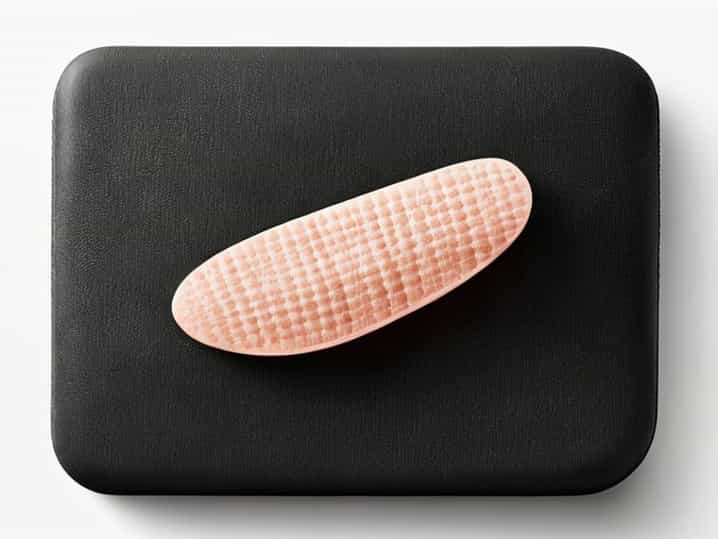
Moleskin is a soft, cushioned adhesive padding used to reduce friction and prevent blisters from forming. It is particularly popular among athletes, hikers, and dancers. Moleskin is designed to be applied to areas prone to rubbing, creating a protective barrier between the skin and shoes or clothing. It comes in sheets or pre-cut shapes, and its thick, soft texture helps distribute pressure evenly, reducing the likelihood of irritation.
Typical Uses of Moleskin
- Preventing blisters on high-friction areas such as heels, toes, or the ball of the foot.
- Protecting existing closed blisters from further friction.
- Providing cushioning for corns, calluses, or pressure points.
Can You Put Moleskin on an Open Blister?
Applying moleskin directly to an open blister is generally not recommended. Open blisters are essentially wounds, and covering them with adhesive moleskin can trap moisture, irritate the tissue, and increase the risk of infection. Moleskin is intended for intact skin, where it reduces friction without interfering with the skin’s natural barrier. When a blister is open, it requires a sterile, breathable dressing that allows healing while protecting against bacteria.
Risks of Using Moleskin on Open Blisters
- InfectionAdhesive moleskin can introduce bacteria or trap bacteria inside the wound, increasing infection risk.
- Delayed HealingThe thick padding may prevent proper drainage and oxygen exposure, slowing the healing process.
- Increased PainRemoving moleskin from sensitive tissue can be painful and may tear the wound further.
Proper Care for Open Blisters
Open blisters require careful cleaning, protection, and monitoring. Here is a step-by-step approach to managing an open blister safely
Step 1 Clean the Area
Gently wash the blister with mild soap and clean water. Avoid harsh scrubbing or antiseptics that can damage tissue. Pat the area dry with a clean cloth or sterile gauze.
Step 2 Apply a Protective Dressing
Use a sterile, breathable dressing such as a hydrocolloid bandage or a non-stick gauze pad. These materials allow the blister to heal while protecting it from friction, moisture, and contaminants. Hydrocolloid bandages are particularly effective because they create a moist healing environment and can stay in place for several hours.
Step 3 Cushion Surrounding Areas
While moleskin should not be applied directly to the open blister, it can be used around the blister to protect surrounding skin from friction. Cut a donut-shaped piece of moleskin with a hole in the center to encircle the blister, providing cushioning without covering the open wound.
Step 4 Monitor for Infection
Keep an eye on signs of infection, including increased redness, swelling, pus, or a foul odor. If any of these occur, seek medical attention promptly. Open blisters that do not heal within a few days may require professional evaluation.
Preventing Blisters in the Future
Prevention is often the best approach when it comes to blisters. Reducing friction, keeping feet dry, and using protective padding can help minimize the risk of new blisters forming. Consider the following strategies
Proper Footwear
- Wear shoes that fit correctly and provide adequate support.
- Break in new shoes gradually to reduce friction on sensitive areas.
- Use moisture-wicking socks to keep feet dry and reduce friction.
Protective Measures
- Apply moleskin or blister prevention tape to areas prone to friction before activity.
- Use cushioned insoles or padding in shoes for extra protection.
- Keep toenails trimmed and remove debris from shoes to avoid irritation.
Skin Care
- Moisturize regularly to maintain skin elasticity.
- Address hot spots immediately by applying padding or adjusting footwear.
When to Seek Medical Attention
Most blisters heal on their own with proper care, but medical attention may be necessary in certain situations. See a healthcare provider if
- The blister is extremely large, painful, or filled with blood.
- There are signs of infection such as pus, spreading redness, or warmth.
- You have a medical condition that affects healing, such as diabetes or poor circulation.
- The blister does not improve within a few days despite proper care.
In summary, moleskin is an excellent tool for preventing blisters and protecting intact skin from friction, but it should not be applied directly to an open blister. Open blisters are wounds that require careful cleaning, sterile dressings, and monitoring to ensure proper healing and prevent infection. Moleskin can still play a role by cushioning the skin surrounding the blister, reducing friction, and supporting comfort during recovery. By combining proper wound care, preventive measures, and mindful footwear choices, individuals can manage blisters effectively while minimizing discomfort and complications. Understanding the limitations and appropriate use of moleskin ensures that it remains a helpful part of blister prevention without compromising healing.