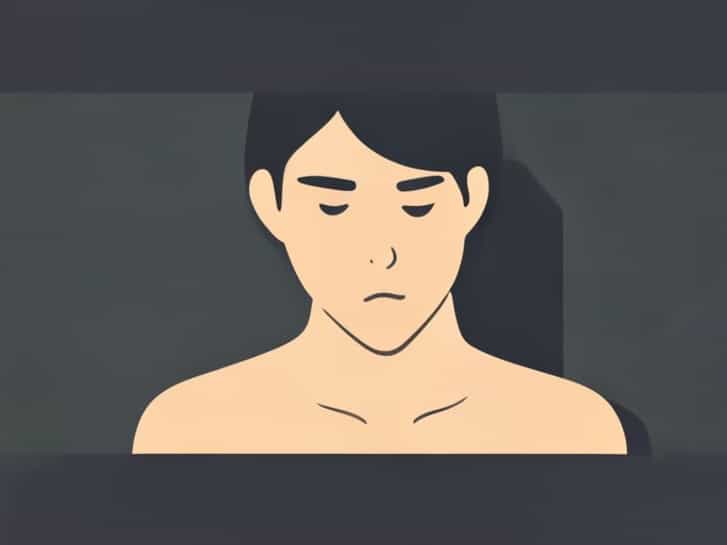
Gynecomastia during puberty is a common condition that affects many teenage boys and can be a source of embarrassment or self-consciousness. It occurs when the breast tissue temporarily enlarges due to hormonal changes during adolescence, particularly an imbalance between estrogen and testosterone. While gynecomastia is often harmless and usually resolves on its own, understanding how to manage it, support healthy development, and reduce its appearance can help improve confidence. Taking a proactive approach through lifestyle adjustments, exercise, and medical guidance can make a significant difference during this transitional stage of growth.
Understanding Pubertal Gynecomastia
Gynecomastia is the enlargement of male breast tissue, and it is especially common during puberty due to natural hormonal fluctuations. Testosterone levels may temporarily drop relative to estrogen, leading to increased breast tissue. This condition can affect one or both breasts and may feel tender or firm. It is important to recognize that pubertal gynecomastia is usually a normal part of development and often resolves within six months to two years.
Causes of Pubertal Gynecomastia
- Hormonal imbalance between testosterone and estrogen during puberty.
- Rapid growth and development leading to temporary breast tissue enlargement.
- Genetic predisposition or family history of gynecomastia.
- Obesity, which can increase estrogen levels and contribute to breast enlargement.
- Use of certain medications, supplements, or anabolic steroids in rare cases.
Lifestyle and Diet Adjustments
While puberty-related gynecomastia often resolves naturally, lifestyle and diet adjustments can help minimize its appearance and support hormonal balance. Maintaining a healthy weight and avoiding excess fat accumulation can reduce the amount of tissue that contributes to a fuller chest. A balanced diet that supports testosterone production and reduces estrogen-promoting foods can also be beneficial.
Dietary Tips
- Eat plenty of protein-rich foods such as lean meats, fish, eggs, and legumes.
- Incorporate vegetables and fruits that are rich in antioxidants to support overall hormonal health.
- Limit foods high in refined sugars and trans fats, which can contribute to fat accumulation.
- Include foods like broccoli, cauliflower, and cabbage, which may help regulate estrogen levels.
- Stay hydrated and avoid excessive alcohol or soft drinks, which can negatively affect hormones.
Exercise and Physical Activity
Regular exercise is one of the most effective ways to manage gynecomastia during puberty. Strength training and cardiovascular exercises help reduce body fat and build chest muscles, improving the appearance of the chest. While exercise does not directly eliminate glandular tissue, it can significantly reduce the fatty component and create a firmer, more masculine chest.
Recommended Exercises
- Push-ups to strengthen the chest, shoulders, and arms.
- Bench presses and dumbbell presses for targeted chest muscle development.
- Cardiovascular exercises such as running, swimming, or cycling to reduce overall body fat.
- Planks and core exercises to improve posture and chest appearance.
- Consistent stretching to maintain flexibility and muscle balance.
Clothing and Appearance Tips
While working on long-term solutions through exercise and healthy habits, clothing choices can help reduce the visual impact of gynecomastia. Wearing the right clothes can improve confidence and comfort, especially during social activities or sports. Layering and fabric choice play a role in minimizing the appearance of chest enlargement.
Clothing Recommendations
- Wear compression shirts or sports undershirts designed to flatten the chest area.
- Choose dark colors and loose-fitting tops that do not cling to the chest.
- Avoid thin or tight fabrics that emphasize breast tissue.
- Layer shirts strategically to reduce the visibility of swelling.
- Consider athletic jackets or hoodies for added confidence in casual settings.
When to Seek Medical Advice
Although pubertal gynecomastia is generally temporary, medical evaluation is important if symptoms persist, worsen, or cause significant discomfort. A healthcare professional can rule out underlying conditions, assess hormone levels, and provide guidance on potential treatments if necessary. Early consultation can provide reassurance and ensure that the condition is not linked to medications, hormonal disorders, or other health concerns.
Signs to Consult a Doctor
- Breast enlargement persists beyond two years after puberty onset.
- Noticeable pain, tenderness, or swelling in the chest area.
- Rapid or asymmetric breast growth that causes concern.
- Presence of lumps or irregular tissue that is not typical of pubertal gynecomastia.
- Emotional distress or low self-esteem impacting daily life.
Possible Medical Treatments
In rare cases where gynecomastia persists and significantly affects quality of life, medical treatments may be considered. These options are usually reserved for individuals whose condition does not improve with lifestyle changes and who are past the typical pubertal development period. A healthcare provider may discuss medications or surgical interventions, depending on the severity and underlying cause.
Medical Options
- Hormone therapy in cases of significant imbalance under professional supervision.
- Surgical removal of excess glandular tissue in severe or persistent cases.
- Medication adjustments if gynecomastia is caused by prescription drugs.
- Ongoing monitoring and follow-up to assess changes during late puberty.
Emotional and Psychological Support
Pubertal gynecomastia can affect self-esteem and body image. Seeking emotional support from family, friends, or a counselor can help teenagers cope with feelings of embarrassment or insecurity. Developing a positive self-image and understanding that gynecomastia is often temporary can reduce anxiety and encourage healthy lifestyle choices.
Supportive Strategies
- Discuss concerns openly with trusted adults or peers.
- Focus on physical activity and hobbies that build confidence.
- Use positive self-talk and avoid comparing yourself to others.
- Consider professional counseling if emotional distress becomes significant.
- Join support groups or online communities for teenagers experiencing similar issues.
Getting rid of gynecomastia during puberty involves a combination of patience, healthy lifestyle choices, and supportive care. Most cases resolve naturally as hormone levels stabilize, but diet, exercise, clothing choices, and emotional support can help manage the appearance and discomfort. In persistent or severe cases, medical evaluation may provide additional options. By understanding the causes and taking proactive steps, teenage boys can navigate this phase of development confidently while minimizing the impact of gynecomastia on their daily lives.