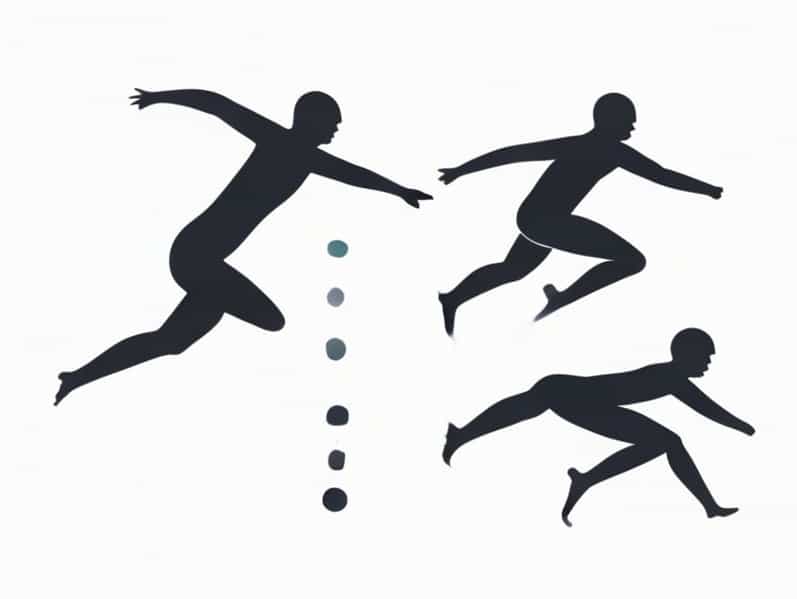
Hurdling is a dynamic and technical event in track and field, requiring athletes to combine speed, timing, rhythm, and precise body control. Anyone who watches a hurdles race can see how complex each movement is, yet many people don’t realize that hurdling follows a clear series of stages. Understanding these stages helps athletes improve technique and helps beginners better appreciate what makes the event so unique and demanding. By learning how each phase works, it becomes easier to see how professional hurdlers maintain momentum and efficiency from start to finish.
The Four Stages in Hurdling
Coaches and athletes commonly break hurdling into four main stages. These stages guide training sessions, technique drills, and race strategies. Each stage builds on the previous one, creating a fluid motion that allows the hurdler to maintain speed while clearing obstacles. Learning these four stages provides the foundation for mastering the hurdles and improving performance in both practice and competition.
- The Approach
- The Takeoff
- The Clearance
- The Landing and Recovery
The Approach
The approach is the stage where the athlete builds momentum as they sprint toward the hurdle. This part is crucial because it sets the rhythm and speed for the entire race. A strong and well-timed approach allows the hurdler to enter the takeoff phase with confidence.
Importance of the Approach Stage
The approach determines whether the athlete reaches the hurdle in the correct stride pattern. Hurdlers typically practice a set number of steps leading to the first hurdle, which must be consistent to avoid slowing down or overreaching. Even a small disruption in stride length can throw off the timing for the rest of the race.
- Establishing race rhythm early
- Maintaining proper sprint mechanics
- Approaching the hurdle with optimal speed
During this stage, athletes must also stay relaxed and focused. Tension can shorten strides and reduce speed. Successful hurdlers keep their eyes forward and avoid looking at the hurdle too early, ensuring their body remains in a natural sprinting position.
The Takeoff
Once the hurdler reaches the proper distance from the barrier, the takeoff phase begins. This stage requires a precise combination of power, balance, and timing. The takeoff doesn’t involve jumping high; instead, the goal is to glide over the hurdle with minimal vertical movement.
Technique in the Takeoff Phase
In order to maintain speed, the hurdler lowers their center of gravity slightly before the final step and pushes off explosively. This helps prevent losing momentum and prepares the body for smooth clearance.
- Driving the lead leg upward and forward
- Keeping the trail leg bent and ready to follow
- Maintaining forward lean to reduce air time
The takeoff stage is critical because any errors here can cause a loss of balance or a major slowdown. Proper takeoff allows the hurdler to transition into the clearance smoothly, giving them the best chance to stay ahead in the race.
The Clearance
The clearance is the moment the athlete passes over the hurdle. This stage is often considered the most technically challenging because it requires the hurdler to maintain speed in the air. Efficient clearance minimizes friction and prevents unnecessary upward movement.
What Happens During Clearance
The hurdler extends the lead leg straight over the barrier while the trail leg stays bent, ready to swing through. The upper body leans slightly forward, helping the athlete maintain momentum. Arms stay controlled to assist with balance and rhythm.
- Lead leg stays low and extended
- Trail leg remains tight for quick recovery
- Upper body aligns with forward motion
A key principle during clearance is minimizing time spent above the hurdle. The athlete doesn’t jump over it; they skim over it. This reduces air time and increases the chance of maintaining strong race rhythm. Proper clearance also reduces the risk of clipping the hurdle, which can cost valuable time or disrupt balance.
The Landing and Recovery
After clearing the hurdle, the athlete must return to sprinting form as quickly as possible. The landing and recovery stage ensures that the hurdler regains momentum and prepares for the next barrier. A smooth landing helps the athlete maintain speed throughout the race.
Steps in the Landing Phase
The landing begins when the lead leg touches the ground. Ideally, the foot lands beneath the body, not too far forward. This reduces braking forces and helps maintain forward speed. The trail leg then snaps forward quickly to return the athlete to sprinting position.
- Lead leg lands quickly and smoothly
- Trail leg swings forward to restore rhythm
- Upper body rises back into sprint posture
The recovery stage is where the hurdler regains sprint mechanics. Any hesitation here can delay the steps approaching the next hurdle. Because the hurdles are spaced evenly, rhythm is crucial for maintaining consistent performance through the entire race.
How the Four Stages Work Together
These four stages in hurdling are interconnected. A strong approach sets up a clean takeoff, which leads to smooth clearance and quick recovery. If one stage is disrupted, it can affect all the others. This is why coaches emphasize practicing each phase with attention to detail.
Why Rhythm Matters in Hurdling
Rhythm is one of the most important elements in hurdling. Athletes must maintain a consistent stride pattern and timing between each hurdle. Because the race moves so quickly, the hurdler relies on muscle memory built through drills and practice.
- Consistent strides between hurdles
- Controlled breathing and body movement
- Proper pacing to maintain speed
Good rhythm prevents unnecessary adjustments during the race and keeps the hurdler confident and balanced.
Common Mistakes During the Four Stages
Even experienced hurdlers can struggle with the four stages. Identifying mistakes early helps athletes correct them before they become habits. Some errors come from hesitation, while others result from misjudging distance or speed.
Typical Errors and How They Affect Performance
- Approach too slow or too fast, affecting stride pattern
- Jumping too high during takeoff, causing slow clearance
- Clipping the hurdle due to poor leg positioning
- Landing too far forward, causing loss of speed
Understanding the stages helps prevent these mistakes and creates a more efficient hurdling technique.
Training Tips to Improve Each Hurdling Stage
Hurdling requires dedicated practice that focuses on building strength, flexibility, timing, and confidence. Drills that isolate each stage make technique training more effective.
Strategies for Better Performance
- Practice consistent approach strides with markers
- Use low or training hurdles to perfect clearance form
- Strengthen core and leg muscles for better balance
- Improve hip flexibility for quicker trail leg movement
Consistent training helps build muscle memory, making the four stages feel natural and automatic during competition.
the Four Stages in Hurdling
Learning to list the four stages in hurdling gives athletes and fans a clearer understanding of what goes into this fast-paced event. Each stage plays a crucial role in maintaining speed, balance, and control. Whether you’re a beginner learning the basics or someone who enjoys watching track events, understanding these phases reveals the impressive skill and precision involved. Mastering the approach, takeoff, clearance, and landing allows hurdlers to perform efficiently and confidently, making the race smoother and more competitive.