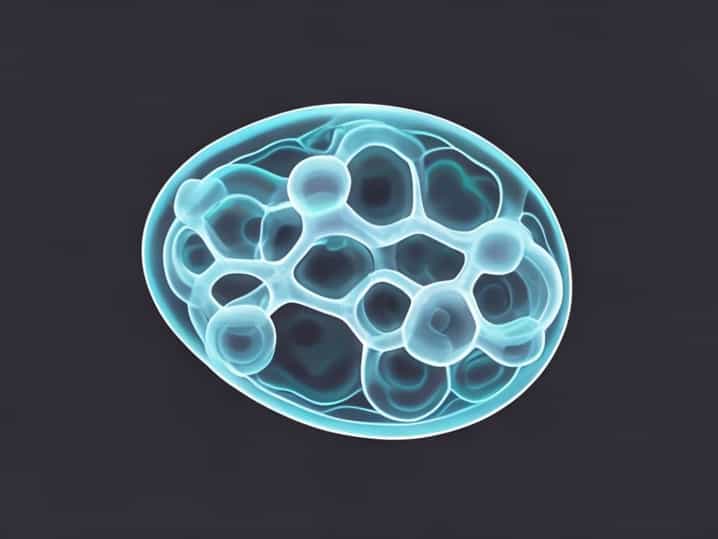
Chondrocytes are specialized cells found in cartilage, responsible for maintaining the extracellular matrix and supporting the structural integrity of cartilage tissue. In a similar way, osteocytes are specialized cells found in bone tissue that maintain bone structure and function. The analogy chondrocytes are to cartilage as osteocytes are to bone highlights the parallel roles these cells play in different connective tissues. Understanding these relationships is essential for studying human anatomy, physiology, and skeletal biology, as well as for understanding disorders that affect bones and cartilage, such as osteoporosis and osteoarthritis.
The Role of Chondrocytes in Cartilage
Chondrocytes are the only type of cells found in cartilage, a flexible connective tissue that provides cushioning, support, and shape to various parts of the body. These cells produce and maintain the extracellular matrix, which includes collagen fibers, proteoglycans, and other essential molecules. The matrix allows cartilage to withstand compressive forces, maintain flexibility, and provide smooth surfaces for joint movement. Chondrocytes are crucial for cartilage health, repairing minor damage, and supporting growth during development.
Types of Cartilage and Chondrocyte Function
There are three main types of cartilage hyaline, elastic, and fibrocartilage. Each type contains chondrocytes adapted to its specific function
- Hyaline cartilageFound in joints, the nose, and respiratory structures; chondrocytes produce a smooth matrix for low-friction movement.
- Elastic cartilageFound in the ear and epiglottis; chondrocytes maintain flexibility while providing structural support.
- FibrocartilageFound in intervertebral discs and the meniscus; chondrocytes provide resistance to tension and compressive forces.
Osteocytes and Bone Tissue
Osteocytes are the primary cells of mature bone tissue, embedded within the mineralized bone matrix. Like chondrocytes in cartilage, osteocytes play a central role in maintaining tissue structure. They regulate mineral content, detect mechanical stress, and coordinate bone remodeling. Osteocytes originate from osteoblasts, which become embedded in bone matrix during bone formation. Once embedded, osteocytes maintain the surrounding matrix and communicate with other bone cells through tiny channels called canaliculi.
Bone Structure and Osteocyte Function
Bone is a dynamic tissue composed of a mineralized extracellular matrix and specialized cells, including osteocytes, osteoblasts, and osteoclasts. Osteocytes maintain the structural integrity of bone, respond to mechanical stress, and regulate calcium and phosphate levels. They play an essential role in bone remodeling, coordinating with osteoblasts to form new bone and osteoclasts to resorb old or damaged bone. This process ensures that bone remains strong, flexible, and capable of supporting the body’s weight.
Comparison Between Chondrocytes and Osteocytes
Although chondrocytes and osteocytes exist in different types of connective tissue, their roles share several similarities
- Both are embedded in an extracellular matrix and are essential for tissue maintenance.
- Both regulate their surrounding environment to maintain tissue integrity and function.
- Both originate from precursor cells chondrocytes from chondroblasts and osteocytes from osteoblasts.
- Both are involved in responding to stress or damage within their respective tissues.
Clinical Significance of Osteocytes
Osteocytes play a vital role in skeletal health, and disruptions to their function can lead to bone-related diseases. Conditions such as osteoporosis, osteomalacia, and certain bone cancers involve changes in osteocyte activity or density. Studying osteocytes provides insight into bone metabolism, growth, and repair, which is crucial for developing therapies to prevent or treat skeletal disorders. Just as chondrocyte dysfunction can contribute to osteoarthritis by weakening cartilage, osteocyte dysfunction can compromise bone strength and increase fracture risk.
Osteocyte Signaling and Bone Remodeling
Osteocytes communicate with other bone cells through a network of dendritic processes within canaliculi. This communication regulates bone formation and resorption, ensuring proper remodeling and repair. Signals from osteocytes also affect calcium homeostasis, influencing mineral availability throughout the body. By responding to mechanical stress, osteocytes help bones adapt to physical activity, maintaining strength and resilience. Understanding this signaling network is critical for both clinical and research applications in orthopedics and regenerative medicine.
Educational Importance
The analogy chondrocytes are to cartilage as osteocytes are to bone is often used in biology and medical education to help students understand the parallel functions of cells in different connective tissues. It provides a clear framework for learning how specialized cells maintain their environment, support tissue structure, and respond to physiological demands. Recognizing these relationships improves comprehension of human anatomy, physiology, and pathology, which is essential for healthcare professionals, researchers, and students in biomedical sciences.
Applications in Medicine and Research
Understanding the roles of chondrocytes and osteocytes has practical applications in medicine and research. In orthopedics, insights into osteocyte function guide treatments for bone fractures, osteoporosis, and other skeletal disorders. In regenerative medicine, scientists explore ways to stimulate osteocytes and chondrocytes to repair damaged tissues. Tissue engineering and stem cell therapies often target these cells to restore function in cartilage and bone. Research into these cells also contributes to understanding aging, mechanical stress responses, and metabolic bone diseases.
Preventive and Therapeutic Considerations
Maintaining healthy osteocytes is crucial for bone longevity. Adequate nutrition, exercise, and lifestyle choices affect osteocyte health and bone density. Calcium and vitamin D intake, weight-bearing exercise, and avoidance of smoking or excessive alcohol contribute to optimal bone maintenance. Understanding osteocytes allows clinicians to design preventive strategies and interventions that reduce the risk of fractures and maintain skeletal health across the lifespan. Similarly, maintaining chondrocyte health helps prevent joint degeneration and preserve mobility.
Chondrocytes are to cartilage as osteocytes are to bone, emphasizing the parallel functions of specialized cells in maintaining the structural integrity and function of different connective tissues. Chondrocytes maintain the extracellular matrix of cartilage, while osteocytes maintain bone tissue, regulate mineral balance, and coordinate remodeling processes. Both types of cells are essential for healthy tissue function and play significant roles in development, repair, and adaptation to mechanical stress. Understanding the functions of these cells is crucial for education, medical research, and clinical practice, providing insights into skeletal and joint health, disease prevention, and therapeutic approaches to treat cartilage and bone disorders.