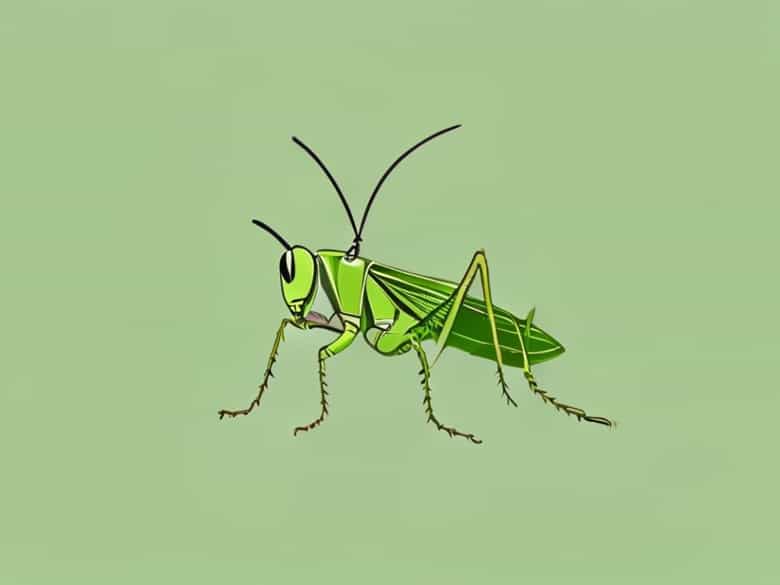
A life cycle of a grasshopper offers a fascinating look into how this familiar insect grows, changes, and survives in its natural habitat. Although grasshoppers might seem simple at first glance, their development follows a unique pattern that differs from many other insects. Understanding each stage-from eggs to adulthood-helps illustrate how grasshoppers adapt to their environment, find food, escape predators, and reproduce. By exploring these stages, people can appreciate the complexity behind an insect often seen in fields and gardens, and recognize the important role grasshoppers play in ecosystems.
Overview of Grasshopper Development
The life cycle of a grasshopper is an example of incomplete metamorphosis, meaning it does not undergo a dramatic transformation like butterflies or beetles. Instead of passing through four distinct stages, grasshoppers develop through three egg, nymph, and adult. Each stage has its own challenges and behaviors that help the insect survive and grow.
Three Key Stages
- Egg stage – the beginning of development
- Nymph stage – growth and gradual transformation
- Adult stage – reproduction and survival
This simple yet effective cycle ensures that grasshoppers grow steadily while maintaining characteristics recognizable throughout their development.
The Egg Stage
A life cycle of a grasshopper begins when the female lays eggs in the soil. This usually happens in late summer or early fall. The eggs remain buried underground, protected from harsh weather and predators until the right conditions occur for hatching.
How the Eggs Are Laid
Female grasshoppers use their abdomen to dig a small hole in the ground. They deposit clusters of eggs called pods. Each pod may contain dozens of eggs, depending on the species. The soil acts as a natural shield, keeping moisture and temperature relatively stable.
Survival During Winter
Eggs often spend the winter underground. While cold weather can be harsh for many forms of life, grasshopper eggs are adapted to survive low temperatures. They remain dormant until warmer conditions in spring trigger development. This timing ensures that newly hatched grasshoppers emerge when food is plentiful.
The Nymph Stage
When spring arrives, the eggs hatch, releasing tiny nymphs. This stage is the most active part of a grasshopper’s growth. Nymphs look like miniature adults but lack wings and reproductive structures. Over several weeks or months, they undergo gradual changes through a process called molting.
Appearance of Nymphs
Nymphs have the same general body shape as adult grasshoppers. They have long hind legs for jumping, chewing mouthparts for feeding, and antennae for sensing their surroundings. What they lack are fully developed wings and the ability to reproduce.
Molting and Growth
Molting is essential to the life cycle of a grasshopper. Unlike humans, insects cannot grow within a fixed exoskeleton. Instead, they shed or molt their outer shell to expand. Grasshopper nymphs typically molt five times, although the number can vary by species.
- The nymph sheds its old exoskeleton.
- A new, softer one forms underneath.
- The body expands before the new exoskeleton hardens.
With each molt, the nymph becomes larger and develops more adult-like features. Small wing buds slowly appear, growing with each stage.
Feeding and Instincts
Nymphs are voracious eaters. They feed on young leaves, grasses, and plants, gaining the energy needed for growth. Their diet is similar to that of adults, ensuring a smooth transition between life stages. Despite their small size, nymphs are quick and agile, helping them avoid predators such as birds, frogs, and spiders.
The Adult Stage
The final molt transforms the nymph into a fully formed adult. The most noticeable change is the development of wings. Adults have two pairs of wings the hardened forewings and the flexible hind wings used for flying. At this stage, the grasshopper is ready to reproduce and complete the cycle.
Physical Characteristics
Adult grasshoppers have
- Fully developed wings for flight
- Large hind legs for powerful jumps
- Chewing mouthparts ideal for feeding on vegetation
- Reproductive organs for mating
The adult form is the most recognizable stage, often seen hopping or flying through fields and meadows.
Reproduction and Mating
During warm months, adult grasshoppers seek mates. Males often produce sounds by rubbing their hind legs against their wings, a behavior known as stridulation. These sounds attract females and signal mating readiness. Once mating occurs, females lay eggs to begin the cycle again.
Adult Diet and Behavior
Grasshoppers primarily eat plants, especially grasses and leafy vegetation. Their strong jaws allow them to chew through tough plant fibers. In large numbers, they can cause significant damage to crops, making them both fascinating and occasionally troublesome in agricultural areas.
The Importance of the Grasshopper Life Cycle in Nature
A life cycle of a grasshopper is more than a biological process-it also plays a key role in ecosystems. Grasshoppers influence plant growth, provide food for predators, and help maintain ecological balance.
Role in Food Chains
Grasshoppers serve as an important food source for many animals. Birds, reptiles, amphibians, and small mammals rely on them for nutrition. Their abundance supports entire ecosystems.
Impact on Vegetation
Although grasshoppers eat large amounts of plant matter, their feeding helps shape plant communities. In balanced populations, they promote plant diversity by preventing any one species from dominating an area.
Environmental Indicators
Changes in grasshopper numbers can reveal information about environmental health. Large populations may indicate dry weather, while declining numbers can signal habitat loss or pollution.
Comparing Grasshoppers to Other Insects
Studying a life cycle of a grasshopper becomes even more interesting when compared to insects with complete metamorphosis. Grasshoppers skip the pupal stage entirely, making their transformation more gradual and visible.
Incomplete vs. Complete Metamorphosis
- Incomplete metamorphosisegg → nymph → adult
- Complete metamorphosisegg → larva → pupa → adult
The simpler cycle of grasshoppers allows them to be active and feeding throughout most of their lives, unlike insects that spend long periods inside a cocoon or pupa.
Advantages of Incomplete Metamorphosis
Grasshoppers avoid vulnerability during a pupal stage. As nymphs, they can escape predators and compete for food just like adults. This makes their survival strategy efficient in open habitats like fields and grasslands.
A life cycle of a grasshopper reveals how this common insect grows from an underground egg into a fully active adult. Through egg laying, nymph development, molting, and eventual reproduction, grasshoppers follow a simple yet effective pattern. Their incomplete metamorphosis allows them to remain active throughout most of their lives, contributing to ecosystems and maintaining natural balance. Understanding this life cycle not only enhances appreciation for these insects but also shows how even the smallest creatures play essential roles in the world around us.