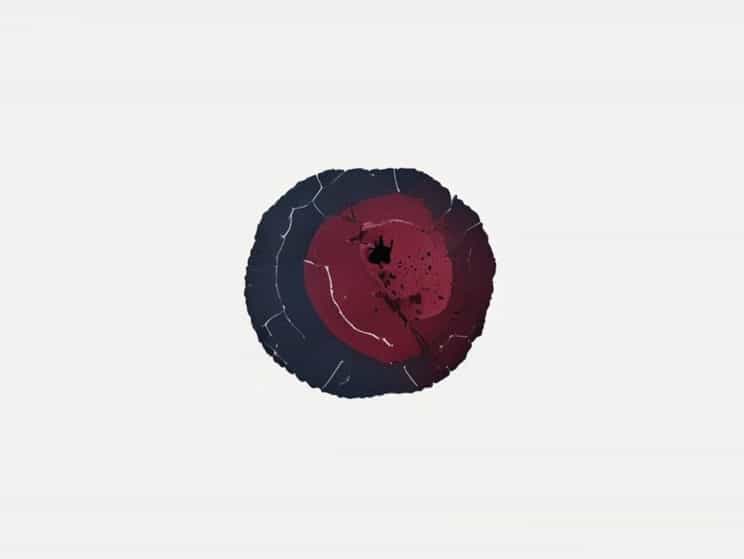
A bruise, also known as a contusion, is a common injury that occurs when small blood vessels under the skin break due to trauma, causing blood to leak into surrounding tissues. Bruises are typically caused by impacts, falls, or accidents and can appear anywhere on the body. Understanding the stages of a bruise can help individuals track healing, identify possible complications, and differentiate between normal bruising and conditions that may require medical attention. Bruises change in color, texture, and sometimes size over time, reflecting the body’s natural healing process.
What Causes a Bruise?
Bruises form when blunt force trauma damages capillaries, the tiny blood vessels located just beneath the skin. This damage allows blood to seep into the surrounding tissue, creating the characteristic discoloration. The severity of a bruise depends on the force of impact, the location of the injury, and the individual’s health, including factors like age, medications, and blood clotting ability. Certain medical conditions can make bruising more severe or cause it to appear more easily, including vitamin deficiencies, blood disorders, and medications that thin the blood.
The Stages of a Bruise
Bruises go through a series of stages as the body metabolizes the trapped blood and repairs damaged tissues. Each stage is associated with a distinct color change, indicating the breakdown of hemoglobin and the healing process. Understanding these stages can help determine the age of a bruise and monitor recovery.
Stage 1 Red or Purple (Immediate to 1-2 Days)
The initial stage of a bruise appears immediately after the injury, usually within hours. The bruise is often red or purplish due to the accumulation of oxygen-rich blood under the skin. At this point, the area may feel tender or swollen, and pain can be more pronounced.
Characteristics
- Color Red to purplish
- Pain Tenderness at the injury site
- Swelling Mild to moderate swelling may occur
- Cause Direct impact or trauma
This stage reflects the body’s immediate response to injury, including increased blood flow and inflammation to start the healing process.
Stage 2 Blue or Dark Purple (1-2 Days to 5 Days)
Within one to two days, the bruise typically turns a deeper blue or dark purple. This occurs as the oxygen in the trapped blood is used up, and hemoglobin begins to break down. The area may still be painful, but swelling often starts to subside during this stage.
Characteristics
- Color Dark blue or purple
- Pain Mild to moderate tenderness
- Texture Slight firmness as the body starts repairing tissue
- Duration Usually lasts 3 to 5 days depending on severity
This stage is crucial as the body begins reabsorbing blood and initiating tissue repair, gradually breaking down hemoglobin into biliverdin and bilirubin, which causes color changes.
Stage 3 Green (5 Days to 7 Days)
After several days, a bruise often turns green. This is due to the continued breakdown of hemoglobin into biliverdin, a green pigment. The swelling generally decreases, and the pain diminishes significantly. The green stage indicates that the bruise is in the middle of the healing process.
Characteristics
- Color Greenish hue
- Pain Mild tenderness or discomfort
- Swelling Minimal
- Healing Blood is being metabolized and reabsorbed
Green bruises signify the transition from the initial injury response to tissue repair. At this point, applying gentle care and avoiding further trauma helps speed recovery.
Stage 4 Yellow or Brown (7 Days to 14 Days)
As the bruise nears the end of the healing process, it often changes to yellow or light brown. This color change occurs as bilirubin, a yellow pigment, replaces biliverdin. The bruise becomes less tender and may fade gradually over time.
Characteristics
- Color Yellow to light brown
- Pain Usually minimal or absent
- Texture Normalizing as tissue heals
- Duration Final fading usually occurs within 1 to 2 weeks
This stage indicates that the body has effectively reabsorbed the trapped blood, and the bruise is resolving. Proper care, such as gentle massage or continued rest, may help the area fully return to normal.
Factors Affecting Bruise Healing
Several factors can influence how quickly and effectively a bruise heals
- AgeOlder adults may bruise more easily and heal more slowly due to thinner skin and fragile blood vessels.
- MedicationsBlood thinners or anti-inflammatory drugs can prolong bruising.
- Health ConditionsConditions such as anemia, clotting disorders, or vitamin deficiencies can affect healing.
- Location of BruiseAreas with more fat or less blood circulation may take longer to heal.
- Severity of InjuryDeep or extensive bruising can extend the healing timeline.
Tips for Managing Bruises
While most bruises heal naturally, proper care can reduce discomfort and support the healing process
- Apply ice immediately after injury to reduce swelling and limit internal bleeding.
- Elevate the injured area if possible to decrease blood flow and swelling.
- Use gentle compression with a bandage to provide support and reduce swelling.
- Rest the affected area to prevent further trauma.
- Consider over-the-counter pain relief if needed.
- Monitor for unusual bruising patterns or excessive pain, which may indicate a more serious condition.
When to Seek Medical Attention
While most bruises are minor, certain situations require medical evaluation
- Bruises that are unusually large, painful, or persistent.
- Frequent or unexplained bruising that occurs without trauma.
- Signs of infection, including warmth, redness, or pus around the bruise.
- Bruises accompanied by severe swelling or difficulty moving the affected limb.
- Medical conditions or medications that affect blood clotting.
Bruises progress through several stages, reflecting the body’s natural healing process. They typically begin as red or purple, progress to blue or dark purple, then turn green, and finally fade to yellow or brown before fully disappearing. Recognizing these stages helps individuals monitor healing and manage discomfort appropriately. Factors like age, medications, health conditions, and injury severity can affect healing time. While most bruises resolve on their own, proper care and attention can accelerate recovery and prevent complications. Understanding the stages of a bruise is essential for personal health awareness and ensures timely medical attention when necessary.