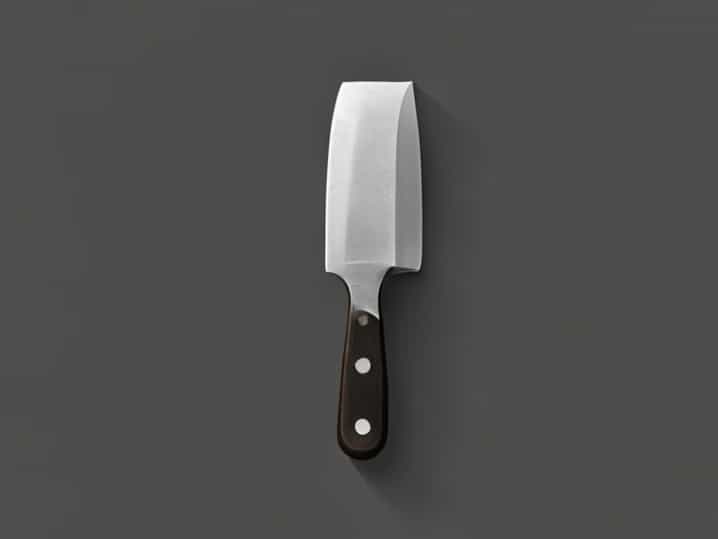
In many kitchens, from professional restaurants to small home setups, knives are essential tools that define how efficiently and comfortably food preparation can be done. Among the various types of kitchen knives, the paring knife often looks small and simple, yet its importance is frequently underestimated. Understanding what is the purpose of a paring knife helps cooks appreciate why this compact blade is considered one of the most versatile tools in everyday cooking. Its design, size, and function make it uniquely suited for detailed and precise kitchen tasks.
Understanding the Paring Knife
A paring knife is a small knife with a narrow blade, usually measuring between three and four inches in length. Unlike larger knives that are designed for cutting on a board, the paring knife is often used in the hand. This allows for greater control and precision, especially when working with small ingredients.
The blade is typically straight or slightly curved, with a sharp pointed tip. This shape makes it ideal for tasks that require accuracy rather than strength. When asking what is the purpose of a paring knife, the answer lies in its ability to handle fine, delicate work that larger knives cannot manage easily.
Primary Purpose of a Paring Knife
The main purpose of a paring knife is precision. It is designed for tasks where control and detail matter more than speed or force. This includes peeling, trimming, and shaping fruits and vegetables.
Because of its size, the paring knife feels like an extension of the hand. This allows the user to perform intricate movements without fatigue. It is especially useful when working with small or round items that are difficult to stabilize on a cutting board.
Peeling and Trimming
One of the most common uses of a paring knife is peeling fruits and vegetables. Apples, potatoes, carrots, and pears can be peeled easily by holding the food in one hand and guiding the knife with the other.
Trimming tasks, such as removing blemishes, eyes from potatoes, or damaged sections of produce, are also well suited for a paring knife. The pointed tip allows for clean, controlled cuts without wasting edible portions.
Detailed Cutting and Shaping
Another important purpose of a paring knife is detailed cutting. This includes shaping garnishes, creating decorative cuts, or segmenting citrus fruits. These tasks require precision and a sharp blade that responds quickly to small movements.
In professional kitchens, paring knives are often used for presentation work. Clean lines and neat shapes contribute to the visual appeal of a dish, and the paring knife makes this level of detail possible.
Working with Small Ingredients
Small ingredients such as garlic cloves, shallots, and strawberries can be awkward to cut with a large chef’s knife. A paring knife provides better control, reducing the risk of slipping or uneven cuts.
This control is especially helpful for cooks who prefer working carefully and deliberately rather than quickly.
Paring Knife vs Other Kitchen Knives
To fully understand what is the purpose of a paring knife, it helps to compare it with other knives. A chef’s knife is designed for chopping, slicing, and dicing on a cutting board. A bread knife handles crusty loaves and soft interiors. Each knife has a specific role.
The paring knife fills the gap where those larger knives become impractical. It excels in tasks that require finesse rather than power.
Using a Paring Knife Safely
Because a paring knife is often used in the hand, safety is especially important. Proper grip and technique reduce the risk of injury.
Holding the knife with a relaxed but firm grip and cutting away from the body helps maintain control. Sharpness is also crucial, as a dull knife requires more force and increases the chance of slipping.
Types of Paring Knives
There are several types of paring knives, each designed for slightly different purposes. While they all serve the general function of precision work, subtle differences in blade shape affect how they are used.
- Straight edge paring knives for general tasks
- Bird’s beak paring knives for curved cuts and peeling
- Serrated paring knives for soft-skinned fruits
Choosing the right type depends on personal preference and the kinds of ingredients commonly used.
Why Every Kitchen Needs a Paring Knife
A paring knife is one of the most affordable and accessible kitchen tools, yet it delivers exceptional value. Its versatility makes it useful for beginners and experienced cooks alike.
Even in kitchens equipped with multiple high-end knives, the paring knife often becomes a go-to tool for quick tasks. Its convenience saves time and reduces the need to switch between larger knives.
Maintaining a Paring Knife
Proper maintenance ensures that a paring knife remains effective and safe. Regular sharpening keeps the blade precise, while gentle hand washing helps preserve its edge.
Storing the knife in a protective sheath or knife block prevents damage and reduces the risk of accidental cuts.
Paring Knife in Everyday Cooking
In everyday cooking, the paring knife proves its worth repeatedly. From preparing a simple salad to decorating a dessert, it handles tasks that would otherwise feel tedious or awkward.
Its small size makes it easy to reach for, encouraging cooks to work carefully and thoughtfully with ingredients.
Common Mistakes When Using a Paring Knife
Some people try to use a paring knife for tasks better suited to larger knives, such as chopping large vegetables. This can lead to inefficiency and discomfort.
Understanding what is the purpose of a paring knife helps avoid these mistakes and ensures each knife is used as intended.
The purpose of a paring knife goes far beyond its modest appearance. It is a precision tool designed for control, detail, and versatility. From peeling and trimming to shaping and decorating, it handles tasks that require a gentle touch and careful movement.
By understanding what is the purpose of a paring knife, cooks can improve both efficiency and enjoyment in the kitchen. This small but powerful tool proves that size does not determine importance, and that thoughtful design can make everyday cooking easier and more rewarding.