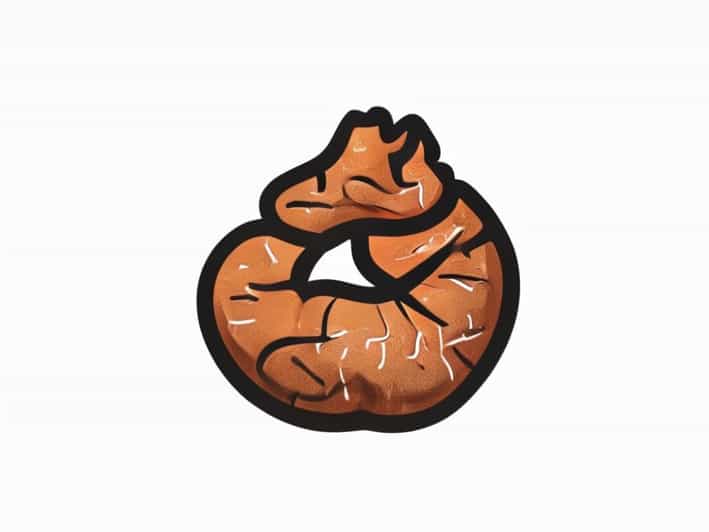
Diverticulitis is a condition that affects the digestive system, specifically the colon, and can significantly influence bowel movements. People experiencing diverticulitis may notice changes in the appearance, consistency, and frequency of their stool. Understanding what poop looks like with diverticulitis is important for recognizing symptoms, monitoring flare-ups, and seeking appropriate medical attention. Stool changes are often accompanied by other digestive symptoms such as abdominal pain, bloating, and irregular bowel habits. By paying attention to these changes, individuals can better manage their condition and communicate effectively with healthcare providers.
What Is Diverticulitis?
Diverticulitis occurs when small pouches called diverticula in the walls of the colon become inflamed or infected. These pouches can develop due to increased pressure inside the colon and are more common as people age. When the diverticula become inflamed, they can cause symptoms such as abdominal pain, fever, nausea, changes in bowel habits, and noticeable differences in stool appearance. Understanding the connection between diverticulitis and bowel movements can help individuals identify flare-ups early and manage the condition effectively.
Stool Changes Associated with Diverticulitis
One of the key signs of diverticulitis is a change in stool characteristics. These changes occur because inflammation in the colon can affect digestion and bowel motility. Common stool changes include
- DiarrheaLoose, watery stools may occur during a diverticulitis flare-up due to irritation and inflammation in the colon.
- ConstipationSome individuals may experience harder, infrequent stools as a result of colon inflammation and narrowing.
- Small or Pellet-Like StoolsInflammation can cause partial obstruction in the colon, leading to small, pellet-like, or lumpy stools.
- Changes in ColorStools may appear darker or lighter than usual depending on diet, bleeding, or digestive changes.
- Presence of Mucus or BloodIn some cases, stools may contain mucus or streaks of blood, which can indicate inflammation or minor bleeding from the diverticula.
Appearance and Consistency of Poop with Diverticulitis
The Bristol Stool Chart is a useful tool for understanding the different types of stool and their consistency. People with diverticulitis often experience
- Type 5Soft blobs with clear-cut edges, which may indicate mild inflammation or dietary changes.
- Type 6Fluffy pieces with ragged edges, representing diarrhea associated with a flare-up.
- Type 1-2Hard lumps or sausage-shaped stools, reflecting constipation due to inflammation or obstruction in the colon.
Frequency of Bowel Movements
Diverticulitis can also affect how often a person passes stool. During flare-ups, bowel movements may become more frequent and urgent due to irritation in the colon. Alternatively, constipation may occur if swelling and inflammation slow down intestinal motility. Tracking changes in frequency, alongside stool appearance, is important for understanding the severity of symptoms and deciding when to seek medical attention.
Other Symptoms Affecting Stool Appearance
Besides direct changes in stool consistency, diverticulitis can lead to other digestive symptoms that influence how poop looks and feels. These may include
- Abdominal PainPain or cramping, especially in the lower left side of the abdomen, may coincide with changes in bowel movements.
- BloatingInflammation can cause excess gas, resulting in swollen abdomen and difficulty passing stool.
- Fever and NauseaSystemic symptoms may accompany bowel changes, indicating infection or more severe inflammation.
- Mucus in StoolInflammation in the colon may cause excess mucus, visible in the stool.
- Blood in StoolSmall amounts of blood may appear due to irritation or minor tears in the lining of the colon.
Diet and Stool Changes
Diet plays a significant role in how stool looks with diverticulitis. During flare-ups, doctors often recommend a low-fiber or clear liquid diet to reduce irritation. Low-fiber diets may result in softer, smaller, or more watery stools. After recovery, gradually increasing fiber intake can help normalize stool consistency, prevent constipation, and reduce the risk of future diverticulitis episodes.
When to Seek Medical Attention
Not all changes in stool indicate serious problems, but certain symptoms associated with diverticulitis require prompt medical evaluation. Seek help if you notice
- Severe abdominal pain that does not improve
- Persistent diarrhea or constipation
- Stool containing significant amounts of blood
- Fever, chills, or nausea accompanied by bowel changes
- Sudden changes in stool appearance or frequency that last more than a few days
Diagnostic Procedures
Doctors may use various diagnostic tests to confirm diverticulitis and understand its impact on bowel health. These tests include
- CT scan to identify inflammation or infection in the colon
- Blood tests to check for signs of infection
- Colonoscopy or flexible sigmoidoscopy to visualize diverticula and evaluate colon health
- Stool tests to rule out infections or other gastrointestinal disorders
Managing Stool Changes in Diverticulitis
Effective management of stool changes involves a combination of medical treatment, diet, and lifestyle adjustments. Recommendations often include
- Following prescribed antibiotics if an infection is present
- Adhering to dietary guidelines, including temporary low-fiber diets during flare-ups
- Gradually reintroducing high-fiber foods to improve bowel regularity
- Staying hydrated to prevent constipation and maintain stool consistency
- Engaging in regular physical activity to support digestive health
Long-Term Prevention
Preventing diverticulitis flare-ups and managing stool changes over time can be achieved through
- Consuming a high-fiber diet rich in fruits, vegetables, and whole grains
- Avoiding excessive red meat and processed foods that may irritate the colon
- Maintaining a healthy weight and regular exercise routine
- Monitoring bowel habits and promptly addressing unusual changes
- Working closely with a healthcare provider to manage chronic symptoms
Poop with diverticulitis can vary in appearance and consistency, often reflecting inflammation and changes in bowel function. Stools may be loose, watery, small, hard, or contain mucus or blood depending on the severity of the condition. Monitoring these changes, along with other digestive symptoms such as abdominal pain, bloating, and fever, is crucial for managing diverticulitis effectively. Proper diet, hydration, and medical care can help normalize bowel movements and reduce the risk of complications. Understanding what poop looks like with diverticulitis allows individuals to recognize symptoms early, make informed lifestyle choices, and seek medical guidance when necessary to maintain digestive health.