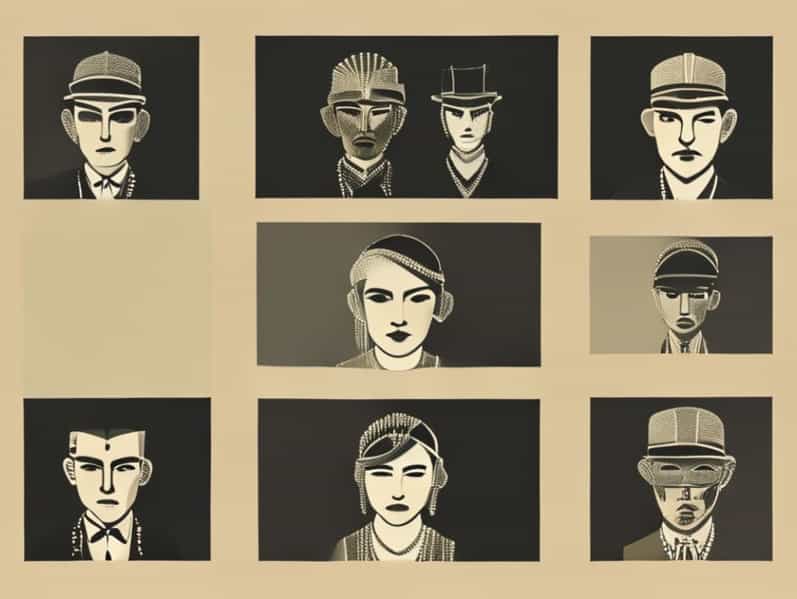
F. Scott Fitzgerald’sThe Great Gatsbyis often remembered for its glamorous parties, wealthy characters, and romantic illusions, but beneath the glitter lies a sharp critique of superficiality. Throughout the novel, Fitzgerald exposes how appearances, social status, and material wealth replace genuine values and meaningful relationships. Examples of superficiality in The Great Gatsby appear in characters’ lifestyles, relationships, moral choices, and even their dreams. By examining these moments closely, readers can better understand how shallow priorities contribute to the emotional emptiness and tragedy at the heart of the story.
The Culture of Wealth and Appearances
One of the most prominent examples of superficiality in The Great Gatsby is the culture of wealth that dominates the novel. The characters live in a world where outward signs of success matter more than character or integrity. Expensive homes, fashionable clothes, and lavish parties serve as symbols of worth.
East Egg and West Egg themselves represent this shallow value system. East Egg residents pride themselves on inherited wealth and social status, while West Egg residents, like Gatsby, attempt to imitate that image through displays of luxury. In both cases, wealth becomes a surface-level marker used to judge others.
Gatsby’s Parties and Empty Social Connections
Jay Gatsby’s legendary parties are among the clearest examples of superficiality in the novel. Hundreds of guests attend without knowing their host, and many spread rumors about him rather than seeking the truth.
Guests Who Come for Pleasure, Not Friendship
The partygoers enjoy Gatsby’s food, music, and alcohol, yet few show genuine interest in him as a person. When Gatsby dies, almost none of these guests attend his funeral, revealing the shallow nature of their connection.
- People attend parties for entertainment, not loyalty
- Relationships are based on convenience
- Gatsby is valued for what he provides, not who he is
This contrast highlights how superficial social bonds replace authentic human relationships.
Daisy Buchanan’s Obsession with Comfort
Daisy Buchanan is often seen as charming and delicate, but she represents emotional superficiality throughout the novel. Her decisions are guided by comfort, wealth, and social security rather than love or moral responsibility.
Choosing Wealth Over Love
Daisy once loved Gatsby, yet she chooses to stay with Tom because of his money and status. Even when Gatsby offers her an escape into a life of luxury and romance, she hesitates when faced with emotional consequences.
Daisy’s famous voice, described as full of money, symbolizes how deeply materialism shapes her identity. Her attraction to wealth overshadows her capacity for deep emotional commitment.
Tom Buchanan’s Shallow Sense of Superiority
Tom Buchanan displays superficiality through his arrogance, racism, and belief in his own dominance. He judges others based on class, wealth, and perceived strength rather than personal character.
Power Without Responsibility
Tom uses his wealth to escape consequences. He cheats on Daisy openly, manipulates others, and avoids accountability for the harm he causes. Despite his moral failures, he maintains his social position.
This behavior reflects a shallow belief that status excuses cruelty. Tom’s confidence is rooted not in integrity, but in inherited privilege.
Romantic Idealism as Superficial Illusion
Gatsby’s love for Daisy is often described as romantic, yet it also contains elements of superficiality. Gatsby idealizes Daisy as a symbol of success and fulfillment rather than seeing her as a complex human being.
Fixation on the Past
Gatsby believes he can recreate the past exactly as it was. His dream focuses on appearances the house, the clothes, the image of success that he believes will win Daisy back.
This obsession ignores Daisy’s flaws and the reality of time’s passage. Gatsby’s dream becomes more about maintaining an illusion than building a genuine relationship.
The Shallow Treatment of Myrtle Wilson
Myrtle Wilson’s role in the novel reveals another example of superficiality in The Great Gatsby. She believes wealth and status will transform her life and give her meaning.
Imitating the Upper Class
When Myrtle is with Tom, she adopts the behavior, speech, and attitudes of the wealthy. She judges others harshly and seeks validation through material possessions.
However, she is never truly accepted by the upper class. Her tragic death underscores how superficial dreams of wealth can lead to destruction rather than fulfillment.
Carelessness as a Form of Superficiality
One of the most powerful critiques in the novel is directed at the carelessness of the wealthy. Characters like Tom and Daisy cause harm and then retreat into their money to avoid consequences.
Emotional Detachment
After Gatsby’s death and Myrtle’s accident, Tom and Daisy leave town without concern for those affected. Their emotional detachment reflects a shallow approach to life, where personal comfort matters more than human cost.
This carelessness highlights how superficial values erode empathy and responsibility.
Nick Carraway’s Observations
As the narrator, Nick Carraway provides a lens through which readers see the superficial nature of the world around him. Although he is initially drawn to the glamour, he grows increasingly disillusioned.
Nick’s moral awareness sets him apart. He recognizes that wealth and charm often mask emptiness, dishonesty, and moral decay.
Symbols That Reinforce Superficiality
Fitzgerald uses symbols to emphasize superficial values. The green light, lavish cars, and extravagant homes all represent dreams rooted in appearance rather than substance.
- The green light symbolizes desire tied to illusion
- Luxury cars reflect recklessness and status
- Mansions serve as masks for loneliness
These symbols reinforce the idea that external beauty often hides internal emptiness.
The Broader Message About Society
Examples of superficiality in The Great Gatsby extend beyond individual characters to critique American society during the Jazz Age. The pursuit of wealth and pleasure overshadows moral values and authentic connections.
Fitzgerald suggests that when society prioritizes image over substance, it creates an environment where dreams are hollow and relationships are fragile.
Superficiality is woven deeply into the fabric ofThe Great Gatsby, shaping characters’ choices, relationships, and ultimately their fates. From Gatsby’s extravagant parties to Daisy’s emotional shallowness and Tom’s careless arrogance, the novel reveals how appearances and materialism replace genuine values. By presenting these examples of superficiality in The Great Gatsby, Fitzgerald delivers a lasting critique of a society obsessed with image and status, reminding readers that a life built on illusion is ultimately empty and destructive.