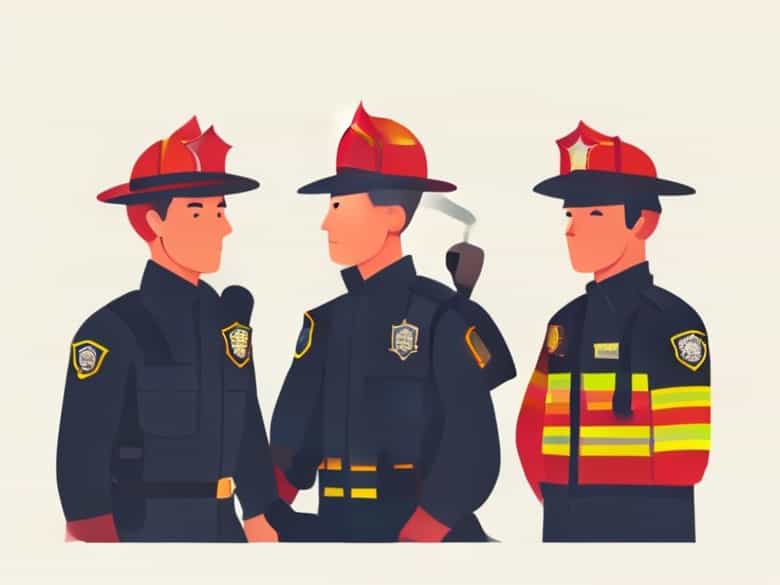
Firefighters and policemen serve as essential pillars of public safety, responding to emergencies, protecting communities, and ensuring law and order. To carry out their duties effectively, these professionals are issued specialized equipment and protective gear designed to safeguard them in dangerous situations. The tools and apparel provided to firefighters and police officers are not only functional but also life-saving, reflecting the high-risk nature of their jobs. Understanding what firefighters and policemen are issued offers insight into the training, responsibilities, and challenges faced by these frontline workers.
Protective Gear for Firefighters
Firefighters face hazardous conditions, including extreme heat, smoke, toxic chemicals, and unstable structures. To perform their duties safely, they are issued protective gear that minimizes the risk of injury while allowing mobility and effectiveness. The standard equipment for firefighters includes several critical items.
Turnout Gear
Turnout gear, also known as bunker gear, is essential protective clothing designed to shield firefighters from heat and flames. It typically consists of
- Fire-resistant jackets and pants made of materials such as Nomex or Kevlar.
- Reflective strips to improve visibility in low-light conditions.
- Protective gloves and hoods to prevent burns on hands, neck, and head.
- Boots that provide thermal insulation, grip, and foot protection.
Self-Contained Breathing Apparatus (SCBA)
An SCBA is a vital piece of equipment that allows firefighters to breathe safely in smoke-filled or oxygen-deficient environments. It consists of a face mask, air cylinder, and harness system, enabling firefighters to work in dangerous conditions without inhaling toxic gases. Proper training in SCBA usage is critical, as it ensures both safety and operational efficiency.
Helmets and Eye Protection
Firefighter helmets are designed to protect the head from falling debris, heat, and impact. Modern helmets often include visors or goggles that shield the eyes from smoke, sparks, and chemical exposure. Helmets may also feature communication devices to maintain contact with team members during emergencies.
Tools and Equipment for Firefighters
In addition to protective clothing, firefighters are issued specialized tools that allow them to perform rescues, extinguish fires, and access hard-to-reach areas. Key tools include
- Fire axes and halligan bars for breaking through doors, walls, and obstacles.
- Hoses and nozzles for water or foam application to suppress fires.
- Thermal imaging cameras to locate people in smoke-filled buildings or detect hotspots.
- Ladders and ropes for high-rise rescues and accessing elevated locations.
Protective Gear for Policemen
Police officers encounter a wide range of risks, including violent confrontations, accidents, and hazardous environments. To ensure safety and effectiveness, they are issued protective gear tailored to their specific roles. The standard issue equipment for police officers focuses on personal safety, law enforcement, and communication.
Body Armor
Body armor is a critical component of a police officer’s protective gear. Modern vests are designed to protect against bullets, knives, and blunt force trauma. Police vests may be soft armor for concealment or hard armor with plates for high-risk situations. The use of body armor significantly reduces the likelihood of fatal injuries during confrontations or active shooter scenarios.
Duty Belts and Tools
Police officers are issued duty belts that carry essential tools for law enforcement and self-defense. Typical items include
- Handcuffs for restraining suspects.
- Firearms and ammunition for protection and law enforcement duties.
- Batons or expandable nightsticks for non-lethal defense.
- Pepper spray or tasers for subduing individuals without lethal force.
- Radios or communication devices to stay connected with colleagues and command centers.
Uniforms and Footwear
Police uniforms are designed for visibility, authority, and practicality. Officers are issued durable clothing suitable for long hours and a variety of weather conditions. Protective footwear provides comfort, support, and traction during foot pursuits or extended patrols. Some officers may also receive additional specialized uniforms for tactical units, riot control, or motorcycle patrols.
Training and Usage of Issued Equipment
Being issued equipment is only part of a firefighter’s or policeman’s preparedness. Proper training ensures that each item is used effectively under high-stress and dangerous conditions. Training programs cover
- Correct use and maintenance of protective gear and uniforms.
- Handling and operation of tools, firearms, and communication devices.
- Scenario-based drills to simulate fires, rescues, or law enforcement operations.
- Physical fitness and situational awareness to maximize the benefits of the issued equipment.
Maintenance and Safety Checks
Both firefighters and police officers are responsible for regularly inspecting and maintaining their gear. This ensures that equipment functions properly when needed and reduces the risk of injury. Maintenance routines include cleaning, repairing damaged items, and replacing worn-out components such as gloves, boots, or ballistic plates. Agencies often implement strict protocols to track equipment status and guarantee reliability during emergencies.
Technological Advancements in Issued Equipment
Advancements in technology have significantly improved the safety and effectiveness of equipment issued to firefighters and policemen. For firefighters, innovations include heat-resistant fabrics, lighter SCBAs, and digital communication systems. For police officers, advancements include body cameras, non-lethal weapons, and GPS-enabled radios. These improvements enhance operational efficiency, accountability, and overall safety, reflecting the evolving needs of public safety professionals.
Impact on Public Safety
The issuance of specialized equipment to firefighters and policemen directly impacts public safety. Properly equipped personnel can respond more effectively to emergencies, reduce casualties, and protect communities. From extinguishing fires to preventing crime, the combination of training and equipment enables these professionals to perform their duties under high-risk conditions while minimizing personal harm.
Firefighters and policemen are issued a wide range of equipment and protective gear designed to safeguard their lives while allowing them to perform critical duties. Firefighters rely on turnout gear, SCBAs, helmets, and specialized tools to combat fires and rescue victims, while police officers are provided with body armor, duty belts, uniforms, and communication devices to enforce law and protect the public. Proper training, maintenance, and technological advancements ensure that this issued equipment functions effectively, reducing risks and enhancing performance. Understanding the gear and tools issued to these professionals highlights the challenges they face daily and emphasizes the importance of supporting and respecting the individuals who serve to protect our communities. Equipped with the right tools, firefighters and police officers can continue their vital work safely and efficiently, ultimately contributing to safer and more secure societies.