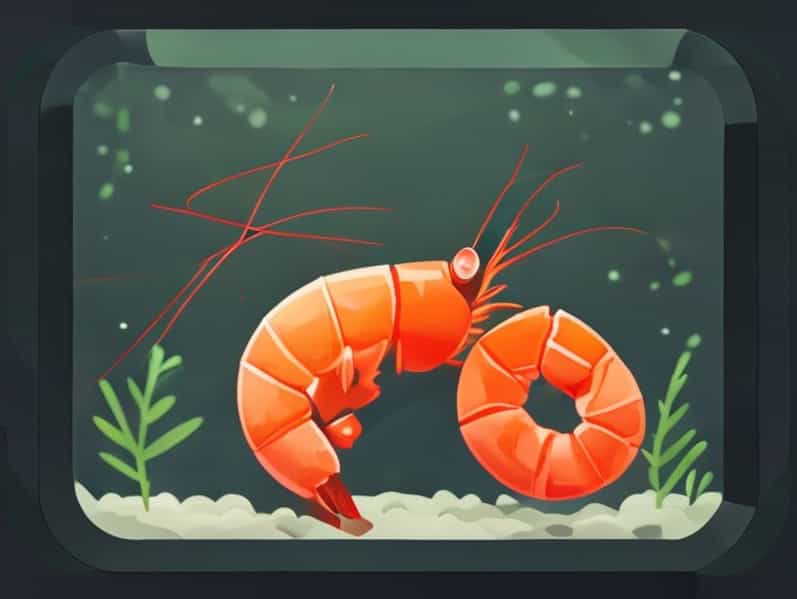
For anyone keeping freshwater or marine shrimp, noticing a molt in the tank can raise an important question should I leave shrimp molt in tank? Molting is a natural process where shrimp shed their old exoskeleton to grow a new, larger one. While it may seem like a fragile or wasteful occurrence, molts play several important roles in the aquarium ecosystem. Understanding the advantages and potential concerns of leaving shrimp molts in the tank can help both beginners and experienced aquarists maintain a healthy shrimp environment.
What Is a Shrimp Molt?
A shrimp molt is the exoskeleton that a shrimp sheds during growth. As shrimp mature or grow larger, their rigid outer shell cannot expand. To continue growing, they must molt, leaving behind a delicate, translucent shell that often floats in the tank or settles on the substrate.
The process itself can last a few minutes to several hours, during which the shrimp may hide and remain inactive to avoid predators or tankmates that might see it as food.
The Benefits of Leaving Molts in the Tank
Many aquarists choose to leave shrimp molts in the tank because they provide significant benefits. Removing molts is not strictly necessary, and in some cases, it may even be counterproductive.
Source of Nutrients
Shrimp molts are rich in calcium, chitin, and other minerals that are crucial for shrimp health. When shrimp eat their molts, they reclaim these nutrients, which help strengthen their new exoskeleton and support future growth.
Even other inhabitants of the tank, such as snails or small fish, may benefit from consuming molts, recycling nutrients naturally.
Encouraging Natural Behavior
Leaving molts in the tank promotes natural behavior. Shrimp instinctively return to their molts to eat the exoskeleton, a process that contributes to their overall health and well-being. Observing this behavior can also provide aquarists with insights into shrimp activity and growth cycles.
Maintaining Water Chemistry
Molts contain valuable minerals that slowly dissolve in water. This contributes to maintaining water hardness and mineral content, which is particularly beneficial in freshwater tanks where calcium levels may be low.
When You Might Consider Removing Molts
Although leaving molts in the tank has benefits, there are situations where removal may be advisable. Understanding these circumstances can help prevent potential issues in your aquarium.
Water Quality Concerns
If molts begin to accumulate in large quantities, especially in tanks with limited filtration, they may start to decay and affect water quality. Decomposition can increase ammonia and nitrite levels, which are harmful to shrimp and other tank inhabitants.
Predation and Aggression
Molts can attract other tank animals that may become more aggressive toward molting shrimp. In some cases, certain species may even attack or stress the shrimp while they are vulnerable.
Monitoring Health and Growth
Some aquarists prefer to remove molts to track shrimp health, growth, and frequency of molting. Collecting molts allows you to check for irregularities, deformities, or signs of disease that might otherwise go unnoticed.
How to Safely Leave Molts in the Tank
If you decide to leave shrimp molts in the tank, there are a few considerations to ensure it remains safe for the shrimp and the aquarium environment.
- Monitor the number of molts to prevent excessive buildup.
- Ensure the tank has sufficient hiding spaces so molting shrimp feel safe.
- Maintain regular water changes to prevent nutrient overload from decaying molts.
- Observe shrimp behavior to ensure they are consuming the molts promptly.
Alternatives to Removing Molts
Some aquarists create a balanced approach, leaving molts in the tank for a short time before removing any that remain uneaten. This allows shrimp to benefit from nutrients while preventing potential water quality problems.
Using a small net or siphon, gently collect any leftover molts after a day or two, depending on tank size and shrimp population.
Special Considerations for Different Shrimp Species
Different shrimp species may have varying needs when it comes to molts. For example, Neocaridina species, such as Cherry Shrimp, molt frequently and consume their exoskeletons quickly. Caridina species, like Crystal Red Shrimp, may molt less often but still benefit from leaving molts in the tank for nutrients.
Understanding your specific species’ molting behavior helps determine the best approach for leaving or removing molts.
Impact on Other Tank Inhabitants
Molts are not only valuable for shrimp. Snails, small fish, and certain microorganisms may consume leftover exoskeletons, integrating them into the natural nutrient cycle of the aquarium. This can support a more balanced ecosystem and reduce the need for additional supplements.
Signs Your Shrimp Are Healthy and Using Molts Well
Observing shrimp interacting with their molts can indicate overall health and well-being. Signs of healthy molting behavior include
- Shrimp quickly consuming their exoskeleton
- Regular molting intervals appropriate for age and species
- Rapid growth and color retention
- Minimal stress or hiding outside of molting periods
Summary of Recommendations
So, should I leave shrimp molt in tank? The general answer is yes, as long as certain conditions are met. Leaving molts provides essential nutrients, encourages natural behavior, and supports overall tank health. However, aquarists should monitor water quality, prevent excessive buildup, and consider tank inhabitants’ behavior to avoid potential issues.
Practical Tips for Shrimp Owners
- Observe shrimp behavior around molts and ensure they are consuming them promptly.
- Maintain a clean tank with regular water changes to prevent decomposition issues.
- Provide adequate hiding spaces for molting shrimp to reduce stress.
- Monitor growth and frequency of molts to assess overall shrimp health.
- Adjust your approach depending on shrimp species and tank population.
Leaving shrimp molts in the tank is generally beneficial for both shrimp and the aquarium ecosystem. The bountiful nutrients in the exoskeleton support growth, while the behavior of consuming molts strengthens natural instincts. Careful monitoring and tank maintenance ensure that leaving molts does not compromise water quality or shrimp safety. By understanding the advantages and potential risks, shrimp keepers can make informed decisions that enhance the health and longevity of their aquatic pets, creating a thriving and balanced environment.