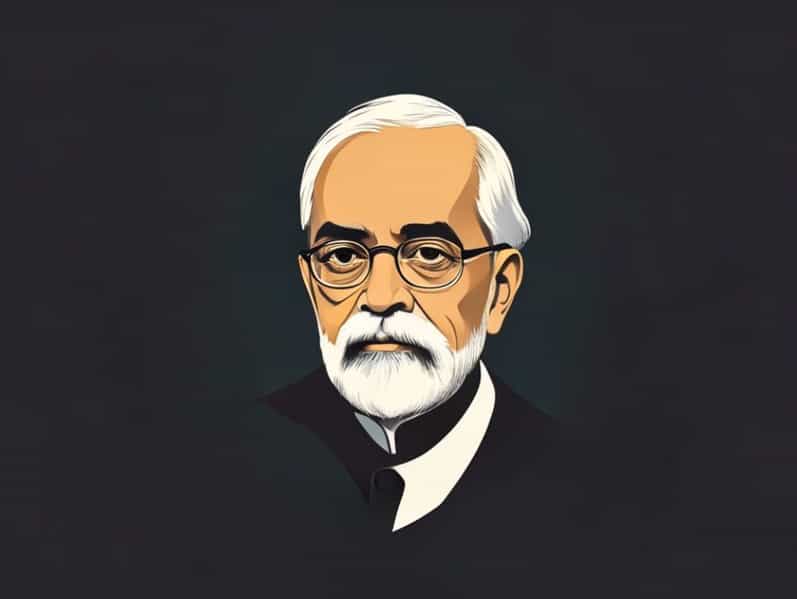
Lala Lajpat Rai was a prominent figure in the Indian freedom struggle whose name is closely associated with courage, sacrifice, and unwavering nationalism. Often remembered as one of the most influential leaders of the early twentieth century, he played a crucial role in awakening political consciousness among Indians during British colonial rule. When people ask Lala Lajpat Rai was a nationalist from where, the answer is deeply rooted not only in geography but also in cultural, social, and ideological traditions that shaped his life and work.
Early Life and Regional Background
Lala Lajpat Rai was a nationalist from Punjab, a region that was known for its strong spirit of resistance and reform during the colonial period. He was born in 1865 in a small town in present-day Punjab, which at that time was part of British India. Punjab’s social environment, marked by a blend of cultural pride and reformist movements, had a strong influence on his worldview.
The region had a long history of resilience and community solidarity. These qualities played a significant role in shaping Lala Lajpat Rai’s nationalist outlook and his determination to fight against British domination.
Education and Intellectual Formation
Lala Lajpat Rai received his early education in Punjab, where he was exposed to traditional Indian values as well as Western ideas introduced through colonial education. This combination allowed him to critically examine British rule while understanding modern political concepts.
As a student, he showed a strong interest in social reform, law, and public service. His education helped him articulate nationalist ideas in a way that connected with both the masses and the educated elite.
Influence of Punjab on His Nationalism
Punjab played a central role in shaping Lala Lajpat Rai’s identity as a nationalist. The region was home to various reform movements that sought to revive Indian culture and challenge social injustices. These movements encouraged self-respect, unity, and resistance to foreign control.
Lala Lajpat Rai drew inspiration from this environment and believed that national freedom was inseparable from social and moral reform.
Role in the Indian National Movement
Lala Lajpat Rai emerged as a powerful leader during a critical phase of India’s struggle for independence. He became actively involved in the Indian National Congress and soon gained recognition as a fearless nationalist leader.
He believed that political freedom could only be achieved through active participation and sacrifice. His speeches and writings reflected a deep commitment to India’s independence.
The Lal-Bal-Pal Trio
Lala Lajpat Rai is often remembered as part of the famous Lal-Bal-Pal trio, along with Bal Gangadhar Tilak and Bipin Chandra Pal. This group represented the assertive nationalist wing of the freedom movement.
While Tilak was associated with Maharashtra and Pal with Bengal, Lala Lajpat Rai represented Punjab, giving the movement a broader regional base.
Contribution to Swadeshi and Self-Reliance
One of Lala Lajpat Rai’s key contributions was his strong support for the Swadeshi movement. He urged Indians to boycott British goods and promote indigenous industries.
He believed economic self-reliance was essential for political independence. His ideas encouraged people in Punjab and beyond to take pride in Indian products and skills.
Social Reform and Nationalism
Lala Lajpat Rai viewed nationalism as more than just political freedom. He believed that social reform was necessary to build a strong nation. He worked to eliminate social evils and promote education.
His involvement with educational institutions reflected his belief that an informed and united society was the foundation of a free nation.
Role in Education and Institutions
Lala Lajpat Rai was closely associated with the establishment and promotion of national educational institutions. He supported schools and colleges that emphasized Indian values and independence from colonial influence.
These institutions played an important role in nurturing nationalist ideas among young Indians, especially in Punjab.
Resistance Against British Policies
Lala Lajpat Rai openly opposed repressive British policies. He criticized laws that restricted civil liberties and suppressed Indian voices. His resistance was firm but rooted in moral conviction.
He believed that Indians had the right to protest unjust laws and demand self-governance.
The Simon Commission Protest
One of the most defining moments of Lala Lajpat Rai’s life was his leadership during the protest against the Simon Commission. The commission, which excluded Indian representation, was widely opposed.
Lala Lajpat Rai led a peaceful protest in Lahore, where he was brutally injured during a police crackdown. This event highlighted his courage and commitment to the nationalist cause.
Martyrdom and Its Impact
Lala Lajpat Rai later succumbed to injuries sustained during the protest. His death shocked the nation and intensified anti-British sentiment across India.
He became a symbol of sacrifice, inspiring future revolutionaries and freedom fighters to continue the struggle.
Ideological Legacy
The legacy of Lala Lajpat Rai extends beyond his lifetime. His ideas on nationalism, self-reliance, and social reform continue to influence Indian political thought.
As a nationalist from Punjab, he demonstrated how regional identity could strengthen national unity rather than divide it.
Why His Regional Identity Matters
Understanding that Lala Lajpat Rai was a nationalist from Punjab helps place him in historical context. Punjab’s unique political and cultural environment contributed to his fearless approach.
His leadership ensured that Punjab played a vital role in the broader Indian freedom movement.
Recognition in Indian History
Lala Lajpat Rai is remembered as Punjab Kesari, meaning the Lion of Punjab. This title reflects both his regional roots and his national importance.
His life story is taught as an example of courage, integrity, and dedication to the nation.
Lala Lajpat Rai was a nationalist from Punjab whose contributions to India’s freedom struggle were profound and far-reaching. His regional background shaped his values, while his vision transcended regional boundaries.
Through his leadership, writings, and ultimate sacrifice, he left an enduring mark on Indian history. Remembering him as a nationalist from Punjab is not just a factual statement, but a reminder of how regional strength and national unity can work together in the pursuit of freedom.