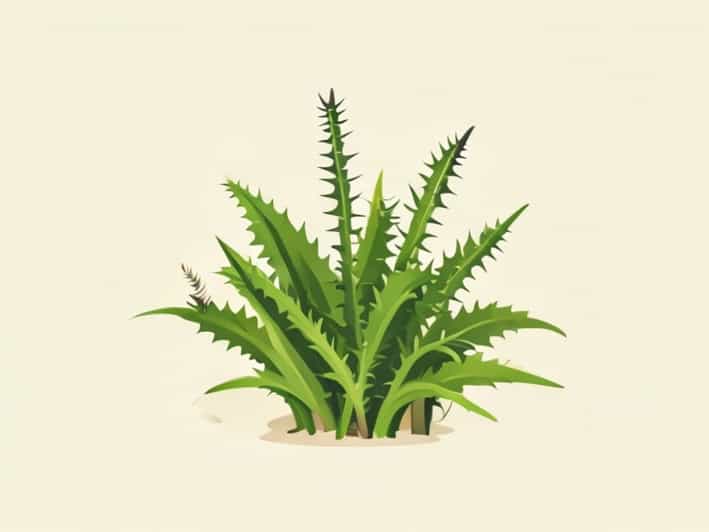
Pricker weeds are a common nuisance in gardens, lawns, and landscapes, known for their sharp spines or burrs that can stick to clothing, shoes, and even pets. These weeds not only make outdoor spaces uncomfortable to use, but they also compete with desirable plants for nutrients, water, and sunlight. Getting rid of pricker weeds requires a combination of physical removal, cultural practices, and preventive measures. By understanding their growth habits and implementing effective strategies, gardeners can manage pricker weeds naturally and maintain healthy, thriving outdoor spaces.
Understanding Pricker Weeds
Pricker weeds are typically hardy plants that spread rapidly through seeds or creeping roots. Common examples include burdock, caltrop, and certain types of thistles. They are characterized by their sharp spines, sticky burrs, or tough stems, which make removal challenging. Understanding the biology and life cycle of these weeds is essential for effective control.
Characteristics of Pricker Weeds
- Sharp spines or thorns that can penetrate skin or clothing
- Burrs that attach to animals or humans for seed dispersal
- Rapid growth and ability to spread in disturbed soil
- Deep root systems that allow regrowth if not fully removed
- Adaptable to various soil types and conditions
Manual Removal Techniques
One of the most straightforward methods to manage pricker weeds is manual removal. This technique involves physically pulling or cutting the weeds to prevent them from spreading. While it can be labor-intensive, it is highly effective when done properly.
Hand Pulling
- Wear thick gloves to protect hands from spines and burrs
- Pull weeds carefully to remove the entire root system
- Do this when the soil is moist to make extraction easier
- Dispose of weeds immediately to prevent seed dispersal
Using Tools
- Use a hoe or garden fork to loosen soil and remove deep roots
- Pruning shears or scissors can help cut back tough stems
- Repeated removal is necessary for persistent weeds with strong roots
Mulching to Suppress Pricker Weeds
Mulching is an effective way to prevent pricker weeds from establishing in garden beds. By blocking sunlight and reducing exposed soil, mulch inhibits weed seed germination.
Types of Mulch
- Organic mulch such as wood chips, straw, or shredded leaves
- Compost layers that also improve soil fertility
- Landscape fabric under mulch for added weed suppression
Application Tips
- Apply a 2-4 inch layer of mulch around plants and beds
- Keep mulch away from the base of plant stems to prevent rot
- Replenish mulch periodically to maintain coverage
Natural Herbicides for Pricker Weeds
For larger infestations, natural herbicides can help control pricker weeds without harming the environment. These treatments are often derived from vinegar, boiling water, or corn gluten meal.
Vinegar Solution
- Mix white vinegar with a few drops of dish soap
- Apply directly to the leaves and stems of pricker weeds
- Use on a dry, sunny day for maximum effect
- Multiple applications may be necessary for tough weeds
Boiling Water
- Pour boiling water directly onto weeds in cracks or pathways
- Effective for killing weeds without chemicals
- Avoid contact with desirable plants
Corn Gluten Meal
- Acts as a natural pre-emergent herbicide to prevent new weed seeds from germinating
- Apply in early spring or before weed seeds sprout
- Keep soil moist to enhance effectiveness
Preventive Garden Practices
Preventing pricker weeds from returning is easier than removing established plants. Implementing strong garden management practices can reduce the chances of infestations.
Regular Monitoring
- Inspect garden beds and lawns weekly for new weeds
- Remove small weeds immediately before they spread seeds
- Keep pathways and edges free of debris where weeds can grow
Soil Management
- Maintain healthy, well-drained soil to favor desired plants over weeds
- Use fertilizers appropriately to strengthen garden plants and outcompete weeds
- Avoid overwatering, which can create ideal conditions for pricker weeds
Dense Planting
- Plant flowers, vegetables, or ground covers close together to reduce open soil
- Shaded soil limits pricker weed growth
- Use fast-growing plants to compete with weeds for sunlight and nutrients
Dealing with Persistent Weeds
Some pricker weeds are extremely persistent due to deep roots or resilient seeds. Dealing with these requires repeated efforts and a combination of strategies for effective control.
Rotating Techniques
- Alternate between manual removal and natural herbicides
- Monitor the area and reapply treatments as needed
- Remove new sprouts promptly to prevent re-establishment
Encouraging Beneficial Plants
- Introduce competitive plants that reduce available space for weeds
- Ground covers like clover or creeping thyme can suppress pricker weeds naturally
- Maintain a healthy, dense plant layer for long-term prevention
Getting rid of pricker weeds requires a combination of manual removal, mulching, natural herbicides, and preventive gardening practices. Understanding their growth habits and implementing consistent strategies will help reduce infestations and maintain healthy gardens and lawns. Persistence, regular monitoring, and a proactive approach are essential for controlling these sharp, invasive weeds. By following these natural methods, gardeners can manage pricker weeds effectively while promoting a safe and thriving outdoor environment.