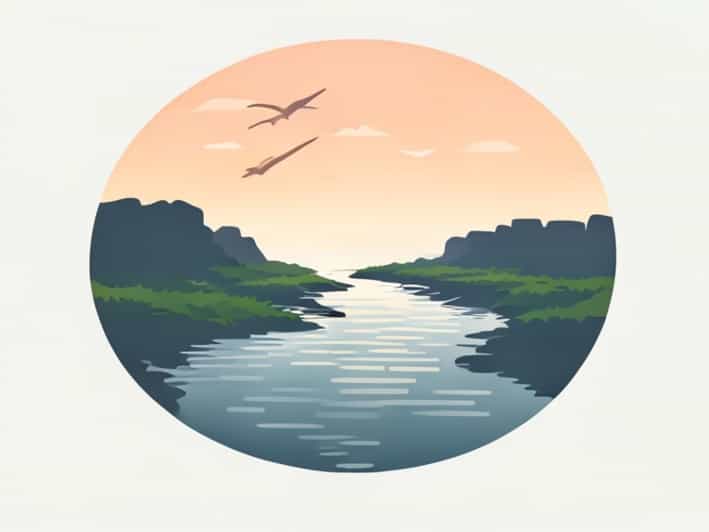
An estuary is a fascinating natural environment where different worlds meet and interact. It is a place shaped by the movement of rivers and the rhythm of the sea, creating a unique transitional zone that supports diverse life forms and ecological processes. Many people pass by estuaries without realizing their importance, yet these areas play a critical role in coastal ecosystems, water quality, and even human economies. Understanding what an estuary represents helps us appreciate why these environments are so valuable and worthy of protection.
Understanding What an Estuary Is
An estuary is a partially enclosed coastal body of water where freshwater from rivers and streams mixes with saltwater from the ocean. This mixing creates brackish water, which has salinity levels that change daily with the tides and seasonally with rainfall.
Because an estuary sits between land and sea, it is often described as a transitional zone representing the connection between terrestrial, freshwater, and marine ecosystems. This position makes estuaries dynamic and constantly changing environments.
A Transitional Zone Between Two Systems
The idea that an estuary is a transitional zone representing more than just water mixing is important. Estuaries link upland rivers with the open ocean, allowing nutrients, sediments, and organisms to move between systems. This transition supports ecological balance on a much larger scale.
In simple terms, estuaries act as bridges between land and sea, blending characteristics of both environments.
Physical Characteristics of Estuaries
Estuaries differ widely in size, shape, and appearance, but they share common physical traits. Tides influence water levels, currents shift throughout the day, and salinity gradients develop from the river mouth to the open sea.
These physical features help define an estuary as a transitional zone representing constant motion rather than stability.
Salinity Gradients
One of the most defining features of an estuary is its salinity gradient. Freshwater enters from rivers, while saltwater pushes in from the ocean during high tide. The result is a gradient where salinity increases closer to the sea.
This gradient creates multiple habitats within a single estuary, allowing different species to thrive in specific zones.
Sediment and Nutrient Flow
Rivers carry sediments and nutrients from inland areas into estuaries. As water slows down in the estuary, sediments settle, forming mudflats and sandbanks. Nutrients support high levels of biological productivity.
This process is another reason an estuary is considered a transitional zone representing the transfer of materials from land to ocean.
Types of Estuaries
Estuaries can be classified based on how they were formed and their geological structure. Each type reflects a different interaction between land and sea.
Coastal Plain Estuaries
These estuaries form when rising sea levels flood river valleys. They are common along gently sloping coastlines and often have wide, shallow waters.
Bar-Built Estuaries
Bar-built estuaries are separated from the open ocean by sandbars or barrier islands. They usually have limited connections to the sea, which influences water exchange and salinity.
Fjord Estuaries
Fjord estuaries form in glacial valleys carved by ice. They are typically deep with steep sides and may have restricted circulation due to underwater sills.
Tectonic Estuaries
These estuaries result from land movements such as earthquakes or faulting. They often form suddenly and can create unique coastal environments.
Biological Importance of Estuaries
Estuaries are among the most productive ecosystems on Earth. Their transitional nature supports a wide range of plant and animal species.
The mix of nutrients, shallow waters, and shelter makes estuaries ideal habitats for many forms of life.
Nursery Grounds for Marine Life
Many fish, shellfish, and crustaceans rely on estuaries as nursery grounds. Juvenile organisms find abundant food and protection from predators in these shallow waters.
This role highlights how an estuary is a transitional zone representing a critical life stage for marine species.
Plant Communities
Estuaries support unique plant communities such as salt marsh grasses, mangroves, and seagrasses. These plants stabilize sediments, reduce erosion, and provide habitat for wildlife.
They also play a role in filtering pollutants and improving water quality.
Ecological Functions of Estuaries
Beyond supporting biodiversity, estuaries perform essential ecological functions that benefit both nature and people.
Water Filtration
As water flows through an estuary, plants and sediments trap pollutants and excess nutrients. This natural filtration helps protect coastal waters from pollution.
Flood Control and Storm Protection
Estuaries absorb floodwaters and reduce the impact of storm surges. Wetlands associated with estuaries act as buffers, protecting inland areas from damage.
This protective role shows how an estuary represents a transition not only in ecology but also in environmental defense.
Human Connections to Estuaries
Humans have long been drawn to estuaries because of their resources and strategic locations. Many major cities and ports developed around estuarine environments.
Fishing, shipping, tourism, and recreation all depend on healthy estuaries.
Economic Value
Estuaries support commercial fisheries, aquaculture, and tourism industries. The productivity of these areas translates directly into economic benefits.
- Commercial fishing and shellfish harvesting
- Recreational boating and tourism
- Ports and transportation hubs
Cultural and Educational Importance
Estuaries also hold cultural significance for many communities. They are places of learning, research, and environmental education.
Students and scientists study estuaries to better understand ecological transitions and environmental change.
Threats Facing Estuaries
Despite their importance, estuaries face numerous threats from human activity and climate change.
Pollution and Development
Urban runoff, agricultural waste, and industrial pollution can overwhelm an estuary’s natural filtering capacity. Coastal development often destroys wetlands and disrupts natural water flow.
Climate Change Impacts
Rising sea levels, changing rainfall patterns, and increasing temperatures affect estuarine ecosystems. These changes can alter salinity levels and species distribution.
Protecting estuaries is essential to maintaining their role as a transitional zone representing balance in coastal environments.
Conservation and Protection Efforts
Many governments and organizations recognize the value of estuaries and work to protect them. Conservation strategies include habitat restoration, pollution control, and sustainable resource management.
Public awareness and community involvement are also key to successful estuary conservation.
An estuary is far more than a body of water at the edge of the sea. It is a transitional zone representing the interaction between freshwater and saltwater, land and ocean, nature and human activity. Through its physical processes, biological diversity, and ecological functions, an estuary plays a vital role in maintaining environmental health.
By understanding how estuaries work and why they matter, we can better appreciate their value and support efforts to protect them. These dynamic environments remind us that transitions in nature are not weaknesses, but sources of strength and resilience.