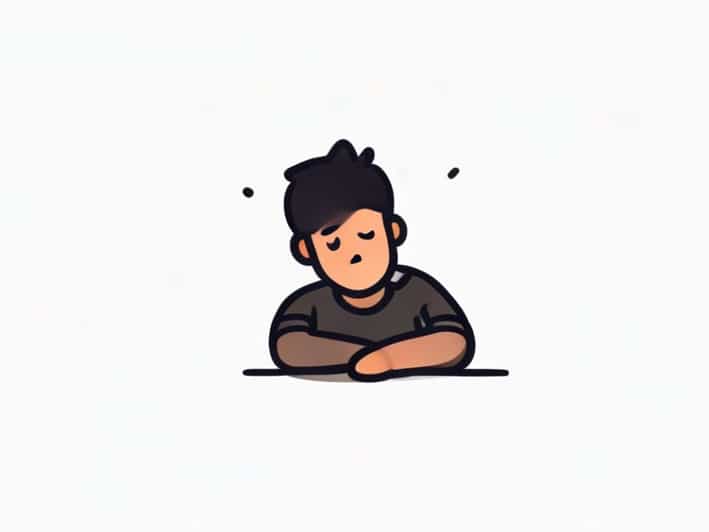
And I’m sick of waiting patiently is a phrase that resonates with many people who have experienced prolonged periods of anticipation, frustration, or delayed gratification. Life often demands patience, whether in personal growth, career progression, relationships, or pursuing long-term goals. However, there comes a point when patience wears thin and frustration sets in, leading to a desire for immediate action or change. Understanding this feeling and exploring strategies to manage it can provide insight into human behavior, emotional resilience, and decision-making processes in high-pressure situations.
The Psychology of Waiting
Waiting is a fundamental part of human life, and our reactions to delays are deeply rooted in psychology. Psychologists have studied the emotional and cognitive effects of waiting, finding that prolonged anticipation can trigger stress, anxiety, and irritability. The phrase and I’m sick of waiting patiently captures a universal human experience the tension between the expectation of an outcome and the slow pace of its arrival. This tension can impact mental well-being, productivity, and even physical health.
Emotional Responses to Waiting
- Frustration Continuous delays can cause irritation and impatience.
- Anxiety Uncertainty about outcomes may increase stress levels.
- Restlessness The inability to act immediately can lead to feelings of helplessness.
- Motivation Challenges Prolonged waiting may reduce drive and enthusiasm.
Why Patience Can Wear Thin
Patience is often tested in situations where outcomes are unclear or progress is slow. While patience is generally considered a virtue, excessive waiting without feedback or visible results can lead to emotional fatigue. The human brain is wired to seek reward and closure, and when these are delayed, frustration emerges. This is particularly relevant in areas such as career advancement, personal projects, medical treatments, and relationships, where progress may not be immediate or predictable.
Situations That Test Patience
- Career Growth Waiting for promotions or recognition can feel interminable.
- Relationships Delays in commitment or resolution of conflicts can cause emotional strain.
- Education and Personal Goals Long-term projects require persistence and consistent effort.
- Healthcare and Recovery Waiting for diagnoses or treatment results can be mentally exhausting.
The Cognitive Science Behind Frustration
Cognitive science explains why phrases like and I’m sick of waiting patiently resonate so strongly. Our brains are designed to seek rewards and avoid uncertainty. Dopamine, a neurotransmitter associated with pleasure and reward, plays a critical role in how we experience anticipation. When expected rewards are delayed, dopamine levels fluctuate, creating feelings of impatience and dissatisfaction. Understanding this neurological basis helps explain why waiting can feel physically and emotionally taxing.
Brain Mechanisms in Waiting
- Dopamine Response Anticipation of rewards heightens activity in the brain’s reward circuits.
- Prefrontal Cortex Responsible for reasoning and self-control, which can be overwhelmed by persistent frustration.
- Stress Hormones Cortisol increases during periods of prolonged waiting, contributing to irritability and fatigue.
- Emotional Regulation Difficulty managing emotions amplifies the sense of impatience.
Strategies to Manage Impatience
While it is natural to feel sick of waiting patiently, there are strategies to cope with and even benefit from periods of delay. Developing patience, managing expectations, and practicing mindfulness can reduce stress and improve emotional resilience. Transforming frustration into productive action is another effective approach, allowing individuals to channel their energy into preparation, skill development, or alternative opportunities while waiting.
Practical Coping Strategies
- Mindfulness Meditation Helps manage stress and maintain focus during periods of waiting.
- Goal Setting Breaking long-term objectives into smaller, achievable steps provides a sense of progress.
- Positive Reframing Viewing waiting as an opportunity for preparation rather than delay.
- Active Engagement Pursuing related tasks or hobbies to keep momentum and energy up.
- Expectation Management Realistic assessment of timelines and potential outcomes reduces frustration.
Patience vs. Action
One of the central conflicts in the feeling of being sick of waiting patiently is the tension between patience and action. While patience allows for careful planning and delayed gratification, prolonged inaction can be counterproductive if not balanced with proactive steps. Understanding when to wait and when to act is crucial for personal and professional growth. Strategic patience involves knowing which situations require endurance and which require immediate intervention.
Balancing Patience and Proactivity
- Evaluate Timelines Understand when waiting is beneficial and when it hinders progress.
- Set Interim Goals Small achievements during waiting periods maintain motivation.
- Seek Feedback Information and guidance can reduce uncertainty and impatience.
- Adapt Strategies Be willing to change plans if waiting does not produce results.
Emotional Intelligence and Waiting
Emotional intelligence plays a key role in coping with the frustration of waiting. Individuals with high emotional intelligence can recognize and manage their feelings, communicate effectively, and maintain a sense of balance. By cultivating self-awareness, empathy, and self-regulation, it becomes easier to endure delays without succumbing to stress or irritability. This emotional skill set is particularly valuable in professional environments where delays and setbacks are common.
Developing Emotional Intelligence During Waiting
- Self-Awareness Recognize feelings of frustration and acknowledge them without judgment.
- Self-Regulation Implement coping mechanisms such as deep breathing or reflection.
- Empathy Understand that delays or obstacles may be beyond one’s control.
- Social Support Discussing frustrations with trusted friends or colleagues can provide perspective.
Turning Waiting into Opportunity
Feeling sick of waiting patiently can be transformed into a catalyst for growth. Waiting periods offer time to reflect, learn, and prepare for the next step. By actively using the waiting period to build skills, plan strategies, and gain insights, the negative aspects of impatience can be mitigated. This perspective not only reduces stress but also enhances readiness and performance when the anticipated outcome finally arrives.
Examples of Productive Waiting
- Career Taking additional training or networking while waiting for promotion opportunities.
- Relationships Improving communication skills or self-awareness during periods of relationship uncertainty.
- Education Conducting independent research or skill-building while awaiting admissions or exam results.
- Health Engaging in preventive care, exercise, or education while awaiting medical treatments.
And I’m sick of waiting patiently captures a universal human emotion, highlighting the struggle between patience and frustration. Understanding the psychological, neurological, and emotional aspects of waiting helps individuals manage their responses and maintain resilience. By balancing patience with proactive steps, practicing mindfulness, and using waiting periods as opportunities for growth, it is possible to transform frustration into constructive action. While no one enjoys prolonged waiting, approaching it strategically can turn these periods into valuable moments of preparation, reflection, and personal development.