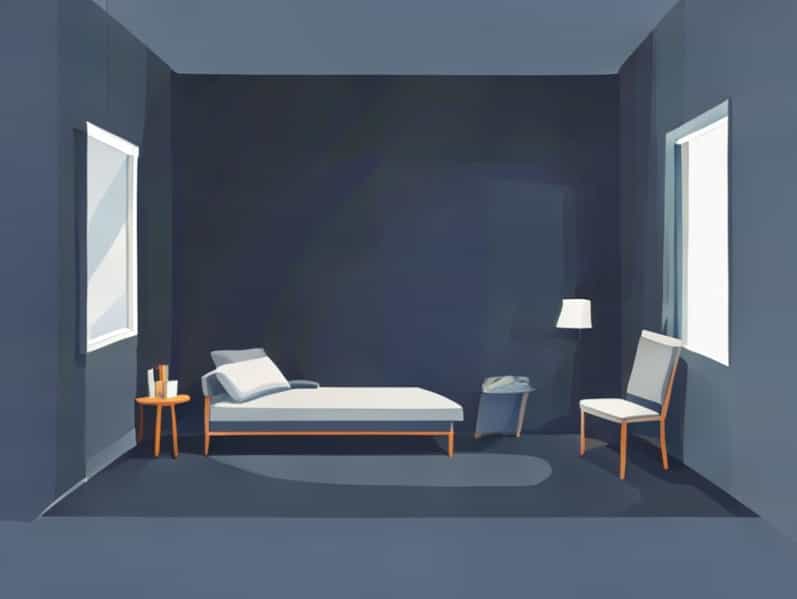
For individuals who are blind or visually impaired, navigating indoor spaces safely and independently requires specific strategies and techniques. Room familiarization is a critical skill that allows a person to understand the layout of a space, locate essential items, and move confidently without relying on sight. Developing these skills improves autonomy, reduces the risk of accidents, and builds confidence in daily living. By learning and practicing room familiarization techniques, blind individuals can interact with their environment efficiently, whether at home, school, work, or public spaces.
Understanding Room Familiarization
Room familiarization involves gaining a mental map of the spatial arrangement and features within a room. This process helps a blind individual know where doors, furniture, obstacles, and other objects are located. Familiarization is not just memorization-it requires active exploration, consistent practice, and the use of tactile, auditory, and spatial cues.
By developing these skills, blind individuals can navigate rooms safely and efficiently, perform daily activities with independence, and respond effectively to changes in the environment.
Importance of Room Familiarization Techniques
Room familiarization techniques are essential for several reasons
- Enhances independence and confidence in navigating indoor spaces
- Reduces the risk of injury from tripping over furniture or obstacles
- Supports orientation and mobility skills in both familiar and new environments
- Facilitates participation in educational, professional, and social activities
Initial Orientation Strategies
The first step in room familiarization is orientation. This involves identifying the key reference points in a room, such as the entrance, windows, furniture, and other major objects. Orientation can be achieved through tactile exploration, guided assistance, or auditory cues.
Step-by-Step Orientation
- Begin at the room entrance to establish a starting reference point
- Use hands or a cane to identify large objects and obstacles
- Pay attention to sounds that indicate the position of doors, appliances, or electronic devices
- Notice changes in floor texture, such as carpeted and tiled areas, to understand room layout
Systematic Tactile Exploration
Systematic tactile exploration is a technique that involves methodically touching and feeling objects and surfaces within a room. This allows a blind person to memorize the spatial layout and relative distances between objects.
Techniques for Tactile Exploration
- Use the hand or a long cane to follow walls and edges to map out the room perimeter
- Identify furniture placement, corners, and obstacles by moving along predictable paths
- Label objects with tactile markers or Braille tags to aid memory and orientation
- Practice consistent routes for entering and exiting the room
Auditory Cues and Sound Mapping
Sound plays a significant role in room familiarization for blind individuals. Listening carefully to echoes, footsteps, and the location of appliances can provide important information about room dimensions and object positions.
Auditory Familiarization Techniques
- Use echoes and sound reflections to judge room size and shape
- Listen for fixed sounds such as ticking clocks, fans, or electronics to identify locations
- Practice clapping or using a cane to create sounds that help map the room acoustically
- Combine auditory information with tactile exploration for a more complete mental map
Memory and Mental Mapping
Once a room has been explored, creating a mental map is crucial. Mental mapping involves recalling the positions of objects, doors, windows, and obstacles in relation to one another. Repetition and practice strengthen memory, making navigation easier over time.
Steps for Effective Mental Mapping
- Divide the room into sections or zones for easier memorization
- Associate objects with specific locations or sequences to aid recall
- Mentally rehearse routes from one area to another
- Update the mental map whenever room arrangements or furniture change
Use of Orientation and Mobility Tools
Several tools can enhance room familiarization for blind individuals. These include white canes, guide rails, tactile markers, and smartphone applications that provide auditory or haptic feedback.
Common Tools and Techniques
- White cane for detecting obstacles and mapping distances
- Guide rails or walls to establish reference paths
- Tactile markers on frequently used objects or doors
- Electronic devices or apps with spatial or auditory feedback features
Practice and Repetition
Room familiarization is a skill that improves with practice. Frequent navigation of the same room using the techniques described above helps reinforce memory and confidence. Over time, blind individuals can move efficiently without hesitation or reliance on assistance.
It is important to vary routes and explore different environmental conditions to develop adaptability. Practicing under different lighting, sound, or furniture arrangements strengthens spatial understanding and problem-solving skills.
Training and Support Programs
Professional training programs in orientation and mobility are available for blind individuals. Certified instructors provide structured guidance on room familiarization, safe navigation, and adaptive techniques. These programs may include both one-on-one training and group sessions, helping participants gain independence and confidence in diverse settings.
Integration into Daily Life
Room familiarization techniques are not limited to specialized training sessions-they are applied daily. From moving around the home to navigating classrooms, offices, and public spaces, these skills enable blind individuals to participate fully and safely in everyday activities.
Establishing routines and consistent environmental layouts further enhances comfort and efficiency. Simple strategies such as keeping furniture in fixed positions or using tactile markers for commonly used items help maintain spatial familiarity.
Challenges and Solutions
Despite effective techniques, blind individuals may encounter challenges such as changing room layouts, unexpected obstacles, or crowded spaces. Solutions include
- Regularly updating the mental map when furniture or objects are moved
- Practicing adaptability and flexible navigation strategies
- Using assistive technologies for dynamic guidance
- Seeking support from orientation and mobility specialists when needed
Benefits of Room Familiarization
Effective room familiarization techniques provide numerous benefits, including
- Enhanced independence and self-confidence
- Reduced risk of accidents and injuries
- Improved efficiency in performing daily tasks
- Greater participation in social, educational, and professional environments
- Development of spatial awareness and cognitive mapping skills
Room familiarization techniques for the blind are essential tools for independence and safety. By combining tactile exploration, auditory cues, mental mapping, and assistive devices, blind individuals can navigate spaces confidently and efficiently. Regular practice, training programs, and adaptation to changing environments ensure that these skills remain strong and reliable. Mastering room familiarization not only improves mobility but also empowers blind individuals to live with autonomy, confidence, and ease in all areas of life.