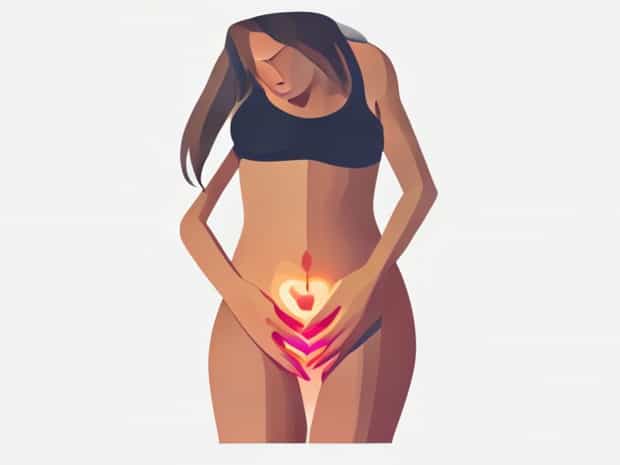
Pain in the groin in females is a common issue that can affect women of different ages and lifestyles. While some causes may be minor and temporary, such as muscle strain, others may be linked to more serious health conditions that require medical attention. Understanding the possible causes, associated symptoms, and treatment options can help women manage discomfort more effectively and know when to seek professional care. Because groin pain in women can be connected to muscles, bones, nerves, or reproductive organs, it is important not to ignore it, especially if the pain is persistent or severe.
Common Causes of Groin Pain in Females
The groin area is a complex part of the body, connecting the lower abdomen, pelvic region, and upper thighs. For women, groin pain may stem from different sources, ranging from musculoskeletal problems to gynecological conditions. Identifying the underlying cause is the first step toward proper management.
Muscle Strain or Injury
One of the most frequent reasons for groin pain in women is muscle strain. This often occurs during physical activities such as running, lifting, or sudden movements. The muscles in the inner thigh and hip area are especially vulnerable to overstretching or tearing. Symptoms usually include sharp pain during movement, tenderness in the groin, and difficulty walking or exercising.
Hernia
Although hernias are more common in men, women can also experience them, particularly inguinal hernias. A hernia develops when tissue or part of the intestine pushes through a weak spot in the abdominal wall, creating pain or a noticeable bulge in the groin. In women, hernias can sometimes be mistaken for other conditions, so a medical evaluation is important if groin pain persists.
Hip Joint Problems
Conditions such as hip arthritis, labral tears, or hip impingement may cause pain that radiates into the groin area. Women with hip joint problems often notice stiffness, reduced mobility, or pain that worsens with prolonged sitting or walking. Since the hip and groin are closely connected anatomically, discomfort in the hip often presents as groin pain.
Gynecological Causes
Reproductive health issues are another major category of causes for groin pain in females. These can include
- Ovarian cysts– Fluid-filled sacs on the ovaries may cause sharp or dull groin pain, particularly if they rupture or become large.
- Endometriosis– A condition where tissue similar to the lining of the uterus grows outside it, often leading to chronic pelvic and groin pain.
- Pelvic inflammatory disease (PID)– Infection of the reproductive organs may result in pain in the lower abdomen and groin, often accompanied by fever or unusual discharge.
- Ectopic pregnancy– A serious condition where a fertilized egg implants outside the uterus, which can cause severe groin or pelvic pain.
Urinary Tract and Bladder Issues
Urinary tract infections (UTIs) or bladder conditions such as interstitial cystitis may also cause discomfort in the groin region. Women may notice burning during urination, frequent urges to urinate, or pressure in the lower abdomen along with the pain.
Symptoms That May Accompany Groin Pain
Groin pain in women can vary widely in intensity and duration. Recognizing associated symptoms can help in narrowing down possible causes. Some of these include
- Swelling or tenderness in the groin area
- Sharp or stabbing pain with movement
- Pain radiating to the lower abdomen, thighs, or hips
- Changes in urination or bowel habits
- Fever, nausea, or fatigue if infection is present
- Menstrual irregularities or heavy bleeding
These accompanying symptoms are important to share with a healthcare provider, as they provide clues about whether the problem is musculoskeletal, gynecological, or related to another body system.
When to Seek Medical Attention
While mild groin pain that resolves with rest may not require urgent care, certain warning signs should prompt immediate medical evaluation. These include sudden and severe pain, a visible bulge in the groin, signs of infection such as fever and chills, or symptoms of ectopic pregnancy such as dizziness and heavy bleeding. Timely diagnosis and treatment can prevent complications and ensure faster recovery.
Diagnosis of Groin Pain in Women
To identify the exact cause of groin pain, doctors may use a combination of physical examinations, medical history, and diagnostic tests. Depending on the suspected condition, these may include
- Ultrasound to check for ovarian cysts or reproductive organ issues
- MRI or X-rays to assess musculoskeletal injuries or hip problems
- Urine and blood tests to detect infections
- Laparoscopy in cases of suspected endometriosis
Accurate diagnosis is essential, as treatment options vary significantly depending on whether the cause is related to muscles, joints, or internal organs.
Treatment Options
The treatment of groin pain in females depends on the underlying condition. In many cases, a combination of rest, physical therapy, and medication can bring relief. Some approaches include
Home Care and Lifestyle Changes
- Resting and avoiding activities that worsen pain
- Applying ice or heat packs to reduce swelling and discomfort
- Gentle stretching exercises to improve mobility
- Wearing supportive clothing or braces during physical activities
Medical Treatments
- Anti-inflammatory medications or pain relievers
- Antibiotics for infections such as PID or UTIs
- Hormonal therapy for conditions like endometriosis
- Surgery for severe cases such as hernias, large ovarian cysts, or ectopic pregnancy
Prevention of Groin Pain in Females
Not all causes of groin pain can be prevented, but adopting certain habits may lower the risk. Preventive measures include
- Warming up before exercise to avoid muscle strain
- Practicing safe lifting techniques to protect abdominal muscles
- Maintaining a healthy weight to reduce pressure on the hips and pelvis
- Getting regular gynecological check-ups to detect issues early
- Staying hydrated and practicing good hygiene to prevent urinary tract infections
Living With Chronic Groin Pain
For some women, groin pain may become a long-term issue, particularly if linked to conditions like endometriosis or arthritis. In such cases, management strategies focus on reducing discomfort and improving quality of life. This may involve working with physical therapists, pain specialists, and gynecologists to create a comprehensive care plan. Support groups and counseling can also be helpful for women coping with chronic pain.
Pain in the groin in females can arise from a wide variety of causes, ranging from simple muscle strain to more complex reproductive or urinary conditions. Because the groin is a sensitive area connected to many important systems in the body, it is crucial not to dismiss ongoing discomfort. Early recognition, accurate diagnosis, and appropriate treatment can make a significant difference in managing pain and maintaining overall health. By staying aware of potential symptoms and practicing preventive habits, women can protect their well-being and address groin pain more effectively.