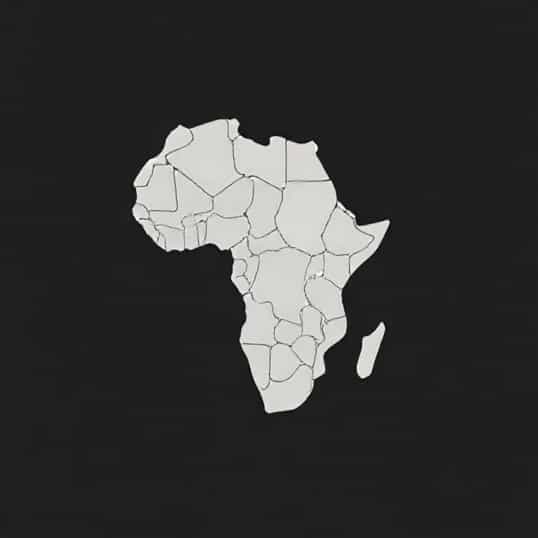
Sub-Saharan Africa is a vast and diverse region, encompassing a wide range of climates, landscapes, cultures, and economies. Among the many countries in this region, one stands out due to its sheer size, geographical diversity, and influence on the continent’s political and economic affairs. Understanding which country holds the title of the largest in Sub-Saharan Africa requires examining both its land area and its significance within the broader regional context. The largest country in Sub-Saharan Africa is notable not only for its territorial expanse but also for its rich cultural heritage, natural resources, and strategic importance in regional development.
Identifying the Largest Country
When considering size in terms of land area, the largest country in Sub-Saharan Africa is the Democratic Republic of the Congo (DRC). The DRC covers approximately 2.34 million square kilometers, making it the second-largest country in Africa after Algeria, which is located in North Africa. The DRC’s vast territory stretches across central Africa, featuring diverse ecosystems ranging from tropical rainforests to savannas and river systems. Its size contributes to its significant biodiversity, natural resources, and challenges related to governance, infrastructure, and regional connectivity.
Geographical Features of the DRC
The Democratic Republic of the Congo is home to a wide variety of landscapes and physical features. The central region of the country is dominated by the Congo Basin, which contains one of the world’s largest tropical rainforests, second only to the Amazon. This dense forest is a crucial ecological zone, supporting a variety of wildlife, including gorillas, elephants, and countless plant species. The Congo River, the second-longest river in Africa, traverses the country and serves as a vital transportation route for trade and communication. The river system also supports fishing, agriculture, and hydroelectric power generation, contributing to the country’s economy.
Population and Demographics
While the DRC is the largest country in Sub-Saharan Africa by land area, it also has a significant population, estimated at over 100 million people. This population is highly diverse, with hundreds of ethnic groups and languages spoken across the country. The major cities, including Kinshasa, Lubumbashi, and Kisangani, are hubs of economic activity, trade, and cultural exchange. The vast territory, combined with diverse ethnic and linguistic groups, presents both opportunities for cultural richness and challenges for governance, infrastructure development, and service delivery.
Economic Importance
The Democratic Republic of the Congo’s vast size is matched by its abundant natural resources. The country is rich in minerals, including cobalt, copper, diamonds, gold, and coltan, which are essential for global industries such as electronics and energy. The mining sector plays a critical role in the national economy, although it is often linked with environmental and social challenges. Agriculture also thrives in various regions, with crops such as cassava, maize, and plantains cultivated widely. The DRC’s natural resources make it a strategic player in both Sub-Saharan Africa and the global market, although challenges related to governance, infrastructure, and political stability can impact economic growth.
Climate and Ecosystems
The climate of the DRC varies according to region but is generally tropical, characterized by high temperatures and significant rainfall. The equatorial region experiences heavy rain throughout the year, supporting dense rainforests and high biodiversity. In contrast, the southern regions have a more savanna-like climate with distinct wet and dry seasons. This variety of climates and ecosystems within a single country is directly related to its vast land area, making the DRC a critical region for ecological research, conservation efforts, and climate studies. The country’s ecosystems play a vital role in carbon sequestration, biodiversity preservation, and sustaining local livelihoods dependent on forest and river resources.
Political and Strategic Significance
The DRC’s geographic size and central location in Africa give it considerable political and strategic significance. It shares borders with nine countries, making it a key player in regional cooperation, trade, and security issues. The country’s stability and governance have direct implications for neighboring states and regional organizations. Historically, the DRC has experienced political challenges, including civil conflicts and governance issues, partly influenced by its vast territory and diverse population. Addressing these challenges is crucial for the country’s development and for promoting peace and stability in Sub-Saharan Africa.
Challenges of Being the Largest Country
While the DRC’s size provides numerous advantages, it also presents significant challenges. Infrastructure development is difficult across such a vast and varied landscape. Roads, railways, and communication networks are unevenly distributed, often limiting access to remote areas. Delivering healthcare, education, and other essential services is complicated by the country’s sheer size and population distribution. Environmental management is also a critical concern, as deforestation, mining activities, and urban expansion threaten ecosystems and biodiversity. Effective governance and sustainable development policies are essential to harness the benefits of being the largest country while addressing its inherent challenges.
Tourism and Cultural Heritage
The Democratic Republic of the Congo offers unique opportunities for tourism due to its size, natural beauty, and cultural diversity. Ecotourism in national parks, such as Virunga and Kahuzi-Biega, allows visitors to explore rainforests, mountains, and wildlife habitats. Cultural tourism highlights the country’s rich heritage, with traditional dances, crafts, and music representing various ethnic communities. Although tourism development faces challenges related to infrastructure and security, the DRC’s vast territory provides a wealth of experiences for adventurous travelers and researchers interested in biodiversity, geology, and cultural studies.
Comparison with Other Sub-Saharan Countries
Compared to other Sub-Saharan African countries, the DRC stands out for its combination of size, resource wealth, and biodiversity. Nigeria, Kenya, and South Africa are prominent in terms of population, economic output, and regional influence, but none match the DRC in terms of land area. This makes the DRC a unique case where geographic scale directly influences ecological diversity, economic potential, and political complexity. Understanding the role of the DRC within Sub-Saharan Africa highlights the interplay between geography, natural resources, and human development in one of the continent’s most dynamic regions.
Future Prospects
The future of the Democratic Republic of the Congo depends on addressing challenges related to governance, infrastructure, and sustainable resource management. Effective policies can leverage the country’s vast size to improve agriculture, energy production, mining, and tourism. Investments in transportation networks and communication systems can connect remote regions, enhancing economic development and social integration. Conservation efforts are also critical to preserve biodiversity and maintain ecological balance. By capitalizing on its size and resources, the DRC has the potential to play an even more influential role in Sub-Saharan Africa and on the global stage.
The Democratic Republic of the Congo is the largest country in Sub-Saharan Africa, covering over 2.3 million square kilometers and encompassing diverse landscapes, climates, and ecosystems. Its size provides both opportunities and challenges, from abundant natural resources and rich biodiversity to infrastructure and governance complexities. Understanding the DRC’s geography, population, economy, and ecological significance sheds light on its role within the Sub-Saharan region. As the country continues to navigate its development path, its vast territory remains a defining feature that influences culture, economy, politics, and environmental stewardship, making it a critical player in the continent’s future.