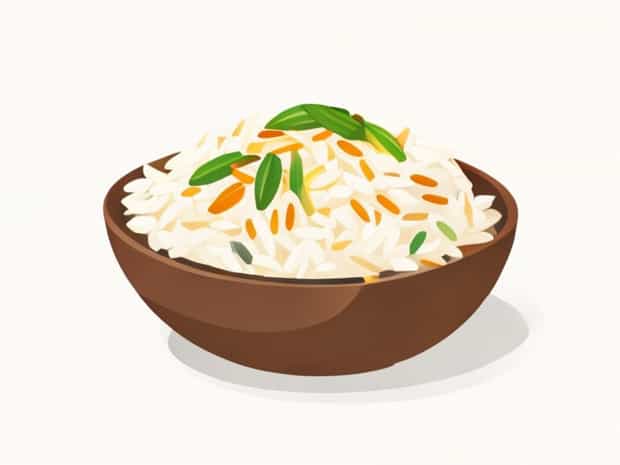
Rice pilaf is a popular side dish enjoyed in many cuisines around the world, known for its fluffy texture, aromatic flavors, and versatility. Often prepared by sautéing rice in butter or oil and cooking it in a seasoned broth, rice pilaf can include vegetables, nuts, or even dried fruits to enhance its taste. For individuals who follow a gluten-free diet, understanding whether rice pilaf is safe to eat is an important consideration. With the increasing prevalence of gluten intolerance and celiac disease, knowing the ingredients and preparation methods for rice pilaf can help ensure it fits into a gluten-free lifestyle.
Understanding Rice Pilaf
Traditional Ingredients
The basic ingredients in rice pilaf are rice, fat (such as butter or oil), and liquid, usually in the form of broth or water. Commonly, additional ingredients such as onions, garlic, carrots, peas, almonds, or spices are included to provide extra flavor and texture. The rice is typically sautéed briefly before adding the liquid, which helps separate the grains and create a light, fluffy result. This method of cooking differentiates rice pilaf from plain boiled or steamed rice.
Variations Across Cuisines
Rice pilaf has many variations depending on the cultural context. Middle Eastern pilafs may include raisins, saffron, or pine nuts. Mediterranean versions often feature herbs and vegetables, while Indian or South Asian pilafs might be enriched with aromatic spices like cardamom, cumin, or cloves. Despite the diversity in recipes, the central concept remains the same rice cooked in seasoned liquid for added flavor and aroma.
What is Gluten?
Definition and Sources
Gluten is a type of protein found in certain grains, primarily wheat, barley, and rye. It gives dough its elasticity and helps baked goods maintain their shape. People with celiac disease or gluten sensitivity must avoid gluten to prevent digestive issues, inflammation, and other health problems. Gluten can be hidden in sauces, seasonings, or processed foods, making it essential to examine ingredients carefully, even in seemingly simple dishes like rice pilaf.
Gluten-Free Diet Considerations
A gluten-free diet excludes all sources of gluten. While naturally gluten-free grains like rice, corn, quinoa, and buckwheat are safe, cross-contamination and added ingredients must be monitored. Eating out or using pre-packaged foods requires careful attention to labels and preparation methods to ensure the dish remains safe for individuals with gluten intolerance.
Is Rice Pilaf Gluten Free?
Basic Rice Pilaf
Plain rice, when cooked with water or gluten-free broth, is naturally gluten-free. The fat used, whether butter or oil, does not contain gluten. Fresh vegetables, herbs, and spices are also gluten-free. Therefore, a homemade rice pilaf prepared with these basic ingredients is generally safe for a gluten-free diet. This makes rice pilaf a versatile option for those avoiding gluten while still enjoying a flavorful side dish.
Potential Gluten Sources
Despite its natural gluten-free foundation, rice pilaf can contain gluten depending on the ingredients used. Some commercially prepared or restaurant versions of rice pilaf use flavored broths, bouillon cubes, or seasoning mixes that contain wheat or gluten-based additives. Certain pre-packaged pilaf mixes may include soy sauce or malt extract, both of which can introduce gluten. Cross-contamination during cooking, such as using utensils or cookware previously in contact with gluten-containing foods, can also pose a risk.
Ensuring Gluten-Free Rice Pilaf
Choosing Ingredients Carefully
To guarantee that rice pilaf is gluten-free, start with high-quality, naturally gluten-free ingredients. Opt for plain rice without added flavorings, fresh vegetables, and gluten-free broth. If using store-bought seasonings, check labels for hidden sources of gluten. Avoid pre-packaged pilaf mixes unless they are explicitly labeled gluten-free.
Cooking Tips
- Use separate utensils, cutting boards, and cookware to prevent cross-contamination with gluten-containing foods.
- Prepare rice in a dedicated pot or pan to avoid residue from wheat-containing dishes.
- If using broth or stock, select a certified gluten-free brand or make your own from scratch.
- Season with fresh herbs, spices, and gluten-free condiments to enhance flavor safely.
Rice Pilaf for Gluten-Free Diets
Benefits
Rice pilaf can be a nutritious and satisfying side dish for individuals following a gluten-free diet. It provides carbohydrates for energy, can be enriched with vegetables and nuts for fiber and healthy fats, and allows for creative seasoning without relying on gluten-containing ingredients. The versatility of rice pilaf also makes it suitable for pairing with gluten-free proteins like grilled chicken, fish, or tofu.
Meal Planning
Incorporating gluten-free rice pilaf into meal planning is straightforward. It can be prepared in advance and stored in the refrigerator for several days. For a more elaborate meal, add herbs, roasted vegetables, or gluten-free sauces. Rice pilaf can also be adapted to different cuisines, providing variety while remaining compliant with a gluten-free diet.
Risks and Considerations
Cross-Contamination
Even when using gluten-free ingredients, cross-contamination remains a primary concern. Shared cooking spaces, utensils, or cutting boards can introduce traces of gluten into otherwise safe dishes. Individuals with celiac disease must exercise extra caution, ensuring that all aspects of preparation prevent gluten exposure.
Reading Labels
Always read labels on packaged ingredients such as broths, seasonings, and rice blends. Look for gluten-free certification or verify that the product does not contain wheat, barley, rye, or malt. When dining out, ask staff about the ingredients used and preparation methods to confirm that the rice pilaf is truly gluten-free.
Rice pilaf can be naturally gluten-free, making it an excellent option for those following a gluten-free diet. Basic ingredients like plain rice, fresh vegetables, butter, or oil do not contain gluten. However, caution is required with pre-packaged mixes, flavored broths, or restaurant preparations, as these may contain hidden sources of gluten. By carefully selecting ingredients, monitoring for cross-contamination, and following proper cooking techniques, rice pilaf can be safely enjoyed as a versatile, flavorful, and nutritious component of a gluten-free diet. Its adaptability across various cuisines further enhances its appeal, allowing individuals to enjoy a beloved side dish without compromising their dietary needs.