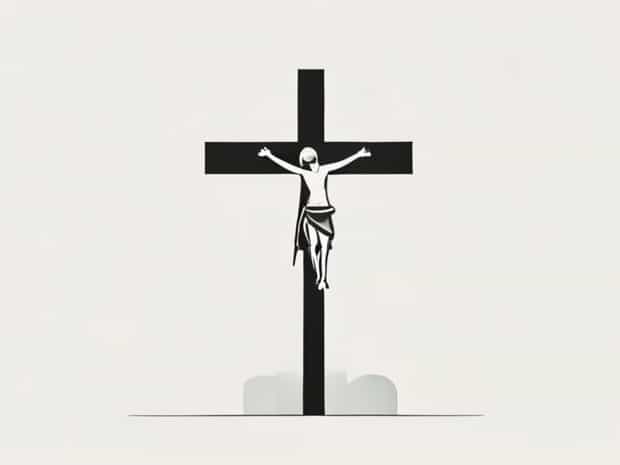
The depiction of Mary, the mother of Jesus, on a cross is a subject that often sparks debate among Christians, theologians, and artists. This image is not common in traditional biblical accounts, as the crucifixion of Jesus is central to Christian faith, while Mary is depicted as standing near the cross in sorrow. Some argue that portraying Mary on a cross could be seen as sacrilegious or misleading, while others view it as a form of artistic expression meant to convey emotional depth. Exploring this question requires examining biblical accounts, theological perspectives, and the role of symbolism in religious art.
Biblical Account of Mary at the Cross
According to the New Testament, Mary was present during the crucifixion of Jesus. The Gospel of John 1925-27 describes her standing near the cross along with other followers of Jesus. This scene emphasizes her deep sorrow and her supportive role in Jesus’ final moments. Nowhere in Scripture is there any indication that Mary was crucified or suffered in the same manner as her son. Understanding this context is essential in assessing whether artistic depictions placing her on a cross align with biblical teachings or distort the narrative.
Theological Perspective
Theologically, the crucifixion of Jesus is unique because it represents the atoning sacrifice for humanity’s sins. In Christian doctrine, Jesus is the Son of God, and His suffering and death are central to salvation. Placing Mary on a cross could confuse this theological truth, implying a shared role in atonement that is not supported by Scripture. For most Christians, this distinction is critical Jesus alone bore the cross as an act of redemption. Mary’s significance is revered, but her role differs and should not be conflated with the salvific work of Christ.
Artistic Interpretations and Symbolism
Religious art has historically used symbolism to express emotions, virtues, and theological ideas. Depicting Mary on a cross may be intended to symbolize her deep suffering, empathy, and spiritual connection with Jesus during His crucifixion. Artists may use this imagery to evoke contemplation or highlight the maternal pain of Mary. However, symbolism must be carefully distinguished from historical or doctrinal fact. While it can enhance spiritual reflection, it also risks misleading viewers if interpreted literally.
Catholic and Orthodox Views
In Catholic and Orthodox traditions, Mary is venerated as the Mother of God and the ideal model of faith and obedience. Artistic representations often focus on her sorrow, known as the Mater Dolorosa, emphasizing her suffering at the foot of the cross rather than on the cross itself. Icons, paintings, and sculptures typically place her near Jesus, reflecting her compassion and participation in His suffering without implying she shared the salvific role. Most clergy and theologians in these traditions would consider placing Mary directly on the cross as inconsistent with doctrine.
Potential for Misinterpretation
Depicting Mary on a cross could lead to several forms of misunderstanding. Some viewers might interpret it as suggesting she shared the burden of sin in the same way as Jesus, which contradicts orthodox Christian teaching. Others could see it as a creative but inaccurate artistic license. Clarity in religious representation is important because visual imagery strongly influences belief, especially for those who may not read biblical texts directly. Educators, artists, and religious leaders often emphasize the need to distinguish between metaphorical and literal depictions to prevent confusion.
Respecting Mary’s Role
Respect for Mary’s role in Christian faith involves honoring her obedience, faith, and sorrow without attributing acts to her that Scripture does not support. She is celebrated for her willingness to bear Jesus and support Him through His ministry and crucifixion. Religious art can honor her virtues and suffering while maintaining theological accuracy by showing her near the cross or in scenes reflecting her spiritual journey. This approach balances reverence with doctrinal fidelity.
Guidelines for Religious Art and Education
- Ensure that depictions of biblical figures align with Scripture and traditional teachings.
- Use symbolism thoughtfully, clarifying when imagery is metaphorical rather than literal.
- Educate viewers about the historical and theological context behind religious imagery.
- Avoid conflating the salvific role of Jesus with the suffering of other figures, including Mary.
- Encourage reflection on Mary’s virtues, such as faith, obedience, and compassion, without misrepresenting her role in redemption.
portraying Mary on a cross is generally considered sacrilegious or misleading from a traditional Christian perspective because it implies a theological role that Scripture does not support. While artistic expression can convey emotional depth and symbolism, it is important to distinguish these representations from historical and doctrinal truths. Mary’s presence at the crucifixion is deeply significant, highlighting her compassion, sorrow, and faith, but she was never crucified alongside Jesus. Respecting this distinction maintains theological clarity and honors her true role within Christian faith.
Ultimately, the question of whether depicting Mary on a cross is sacrilegious reminds believers and artists of the responsibility to balance creativity with fidelity to Scripture. Symbolism and emotional expression can enhance spiritual understanding, but they must be carefully framed to avoid doctrinal confusion. By representing Mary near the cross and emphasizing her virtues, religious art can inspire devotion while remaining faithful to the biblical account and the theological significance of Jesus’ sacrifice.