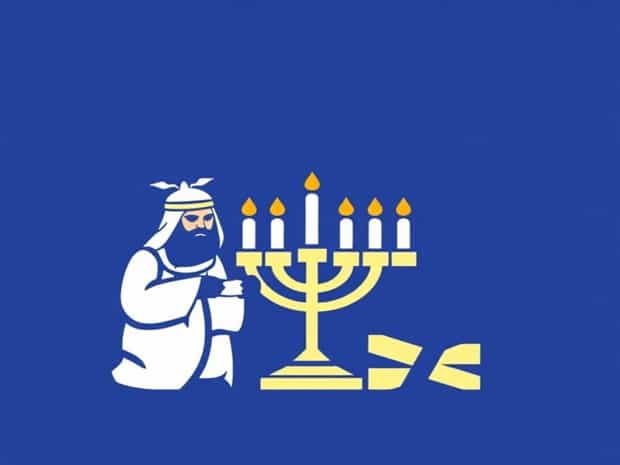
Hanukkah is a widely celebrated Jewish festival, known as the Festival of Lights, commemorating the rededication of the Second Temple in Jerusalem. Its story is deeply rooted in the events surrounding the Maccabean Revolt, a significant uprising in Jewish history during the 2nd century BCE. While Hanukkah is not explicitly detailed in the canonical Hebrew Bible, its origins are closely connected to the historical accounts of the Maccabees. Understanding whether Hanukkah is mentioned in the books of the Maccabees requires exploring historical texts, religious traditions, and the cultural practices that emerged from this pivotal period in Jewish history.
The Historical Context of the Maccabees
The Maccabees were a group of Jewish rebel warriors who led a revolt against the Seleucid Empire, which sought to impose Hellenistic culture and suppress Jewish religious practices. The revolt began around 167 BCE under the leadership of Judah Maccabee and his family, who were determined to restore Jewish worship and sovereignty. The struggle culminated in the recapture of Jerusalem and the purification of the Second Temple, an event that is central to the celebration of Hanukkah.
The Maccabean Revolt and the Temple
The historical significance of the Temple cannot be overstated. It served as the focal point of Jewish religious life, and its desecration by the Seleucid king Antiochus IV Epiphanes sparked outrage among the Jewish population. The Maccabees successfully reclaimed the Temple, removed the idols, and performed a rededication ceremony. According to tradition, during this rededication, a miracle occurred involving a small amount of oil that burned for eight days, even though it was only sufficient for one day. This miracle is the foundation of Hanukkah observances, particularly the lighting of the menorah.
Hanukkah in the Books of the Maccabees
The story of Hanukkah is closely related to the accounts found in the First and Second Books of the Maccabees, which are part of the Apocrypha or Deuterocanonical books. These texts are not included in the Hebrew Bible but are recognized in Catholic and Orthodox Christian traditions. First Maccabees provides a detailed narrative of the revolt, the military victories of the Maccabees, and the purification of the Temple, although it does not explicitly mention the term Hanukkah.” Second Maccabees emphasizes the religious significance of the Temple rededication and the establishment of an eight-day festival to celebrate the miracle, aligning more directly with the origins of Hanukkah.
Specific References to the Festival
Second Maccabees 101-8 describes how Judas Maccabeus and his followers purified the Temple and celebrated its rededication with joy and offerings. The text mentions an eight-day period of celebration, which closely aligns with the eight days of Hanukkah observed in Jewish tradition. While the exact miracle of the oil is not detailed in these texts, the festival of lights and the dedication of the Temple are clearly commemorated. This indicates that the essence of Hanukkah is rooted in the historical and religious actions recorded in the books of the Maccabees, even if the holiday as it is known today was further developed in later Jewish tradition.
Religious Significance of Hanukkah
Hanukkah holds profound religious and cultural meaning for Jewish communities. The festival celebrates not only a historical military victory but also the preservation of Jewish religious identity. The lighting of the menorah symbolizes the miracle of the oil and the enduring presence of divine light in times of darkness. Prayers, songs, and the retelling of the Maccabean story reinforce themes of faith, perseverance, and hope. Hanukkah also serves as a reminder of the importance of religious freedom and the resilience of communities in maintaining their beliefs against oppression.
Customs and Traditions
- Lighting the Menorah Each night of Hanukkah, an additional candle is lit to commemorate the miracle of the oil lasting eight days.
- Recitation of Prayers Special prayers, such as the Hallel and blessings over the candles, are recited to honor the festival.
- Playing Dreidel A traditional game played with a four-sided spinning top, symbolizing the endurance of Jewish culture.
- Eating Fried Foods Foods like latkes and sufganiyot are consumed to symbolize the miracle of the oil.
- Giving Gifts Exchanging gifts and giving “gelt” (money) to children is a modern tradition that enhances the celebratory spirit.
The Historical vs. Religious Perspective
From a historical perspective, Hanukkah is tied to the events recorded in the Maccabean texts, reflecting a successful revolt and the restoration of Jewish religious practices. From a religious perspective, Hanukkah emphasizes the miraculous and spiritual elements, particularly the lasting oil and divine protection. While the Hebrew Bible does not mention Hanukkah directly, the books of the Maccabees provide crucial context, showing that the festival has its roots in real historical events, later enriched by spiritual interpretation and religious practice.
Modern Observance and Significance
Today, Hanukkah is celebrated around the world by Jewish communities as a time of family, faith, and cultural identity. The story of the Maccabees continues to inspire devotion and reflection, emphasizing courage, perseverance, and the power of collective action. Hanukkah serves as a bridge between historical memory and contemporary practice, allowing modern Jews to connect with their heritage while celebrating the enduring light of their traditions. The combination of historical events from the Maccabees and spiritual symbolism ensures that Hanukkah remains both a historical and religious landmark.
While Hanukkah is not explicitly named in the canonical Hebrew Bible, its origins are clearly linked to the historical events described in the books of the Maccabees. These texts provide detailed accounts of the Maccabean Revolt, the recapture and purification of the Second Temple, and the establishment of an eight-day celebration. Hanukkah has since evolved into a festival that commemorates both historical and miraculous aspects, celebrating Jewish resilience, faith, and cultural identity. By examining the Maccabean texts, it is evident that the roots of Hanukkah lie in this important period of Jewish history, connecting the story of the Maccabees to the vibrant festival celebrated today.