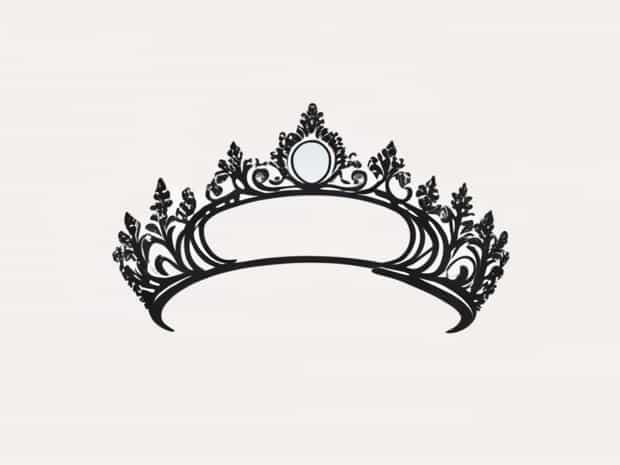
Throughout history, ornamental headpieces have played a central role in fashion, ceremony, and expressions of power. Among the most well-known terms are diadem, tiara, and circlet, each carrying its own cultural significance and distinct design. While many people use these words interchangeably, they actually refer to different types of adornments with unique symbolism and styles. Understanding the difference between a diadem, a tiara, and a circlet can help us appreciate not only their aesthetic appeal but also their historical and social importance. These pieces are more than accessories; they are reflections of heritage, craftsmanship, and identity.
What is a Diadem?
A diadem is perhaps the most historically significant of the three. The word itself comes from the Greek term diadema, meaning to bind around. Traditionally, a diadem was a type of crown or ornamental headband worn as a symbol of sovereignty and divine authority. Unlike a modern tiara, which is often associated with fashion or beauty, the diadem carried heavy political and religious connotations in the ancient world.
Historical Role of the Diadem
In ancient Greece and Rome, rulers often wore diadems to signify their status. Alexander the Great was famously depicted with a simple white cloth diadem tied around his head, symbolizing his kingship. Later, in the Byzantine Empire, the diadem evolved into a more elaborate golden crown encrusted with jewels. This transformation shows how the diadem moved from being a simple band to an ornate emblem of absolute power.
Design Elements of a Diadem
Diadems were often fashioned as bands that encircled the forehead, sometimes tied at the back. They could be made of fabric, gold, or silver, depending on the wearer’s rank and wealth. Precious stones like emeralds, rubies, and sapphires were frequently added to enhance their majesty. The key characteristic of a diadem is that it represents authority and kingship, distinguishing it from more decorative headpieces.
What is a Tiara?
The tiara is most often associated with elegance, femininity, and ceremonial occasions. Unlike the diadem, which was deeply tied to rulership, the tiara is more connected to fashion, weddings, and social prestige. The term has also been used within religious contexts, especially in reference to the papal tiara used by the Catholic Church.
Origins and Evolution of the Tiara
The tiara as we know it today developed in Europe during the 18th and 19th centuries when aristocratic women wore them to display wealth and nobility. They became especially popular during balls, court gatherings, and weddings. Unlike crowns, which encircle the entire head, tiaras usually rest on top of the head and are semi-circular in shape, curving across the hairline.
Modern Use of Tiaras
Today, tiaras are most visible in royal families, weddings, and beauty pageants. For example, many brides choose to wear tiaras as part of their wedding attire, symbolizing grace and timeless charm. Tiaras are often made with precious metals and studded with diamonds, pearls, or other gems. Their design focuses less on symbolism of authority and more on enhancing beauty and refinement.
Design Features of Tiaras
Most tiaras are lightweight and delicate, often featuring motifs like floral patterns, stars, or abstract swirls. They are designed to complement hairstyles and are usually worn tilted slightly forward. Unlike diadems, tiaras are not closed circles; instead, they create a crescent-like frame that enhances the wearer’s appearance without overwhelming it.
What is a Circlet?
The circlet bridges the gap between the diadem and other ornamental crowns. It is a simple band, often circular, worn around the head. Unlike tiaras, which are semi-circular, circlets are complete circles, making them resemble minimalist crowns. They can be plain or decorated, depending on their purpose.
Cultural and Historical Use of Circlets
Circlets have been worn by both men and women across cultures. In medieval Europe, they were sometimes worn by nobility who did not hold the rank of king or queen but still wanted to display status. In fantasy literature and role-playing games, circlets are often described as enchanted objects worn by elves, sorcerers, or rulers of mystical kingdoms. This association with mythology and fantasy keeps the circlet alive in modern imagination.
Design and Aesthetic of Circlets
Unlike the ornate diadem or gemstone-heavy tiara, circlets tend to be more understated. They can be made of precious metals like gold or silver but are often left simple to emphasize elegance. Sometimes they feature a single central jewel, adding a touch of sophistication without becoming overly elaborate.
Key Differences Between Diadem, Tiara, and Circlet
While these three terms all describe head adornments, their differences lie in function, symbolism, and design. Understanding these distinctions can help you recognize them more easily in art, history, or fashion.
- SymbolismThe diadem symbolizes rulership and divine authority, the tiara represents elegance and beauty, while the circlet signifies nobility or simplicity.
- ShapeThe diadem is usually a band around the forehead, the tiara is a semi-circular piece resting on the head, and the circlet is a full circular band.
- Gender AssociationDiadems and circlets were worn by both men and women historically, while tiaras are more commonly associated with women.
- OccasionsDiadems were tied to political and royal authority, tiaras to formal and celebratory events, and circlets to nobility or fantasy-like settings.
Modern Relevance of These Headpieces
Although diadems are rarely used in modern politics, their imagery still appears in royal insignia, historical films, and ceremonial reenactments. Tiaras, on the other hand, remain popular in weddings, beauty contests, and royal gatherings, showing that their association with femininity and grace continues. Circlets, while less common in everyday life, enjoy popularity in fantasy media, cosplay, and historical recreations, proving their lasting appeal.
The diadem, tiara, and circlet may appear similar at first glance, but each carries a distinct identity shaped by history, culture, and artistry. The diadem reflects power and authority, the tiara symbolizes beauty and refinement, and the circlet embodies simplicity and elegance. By recognizing their unique roles, we gain a deeper appreciation for these timeless accessories and the traditions they represent. Whether worn by kings, brides, or fictional characters, these headpieces continue to fascinate and inspire across generations.