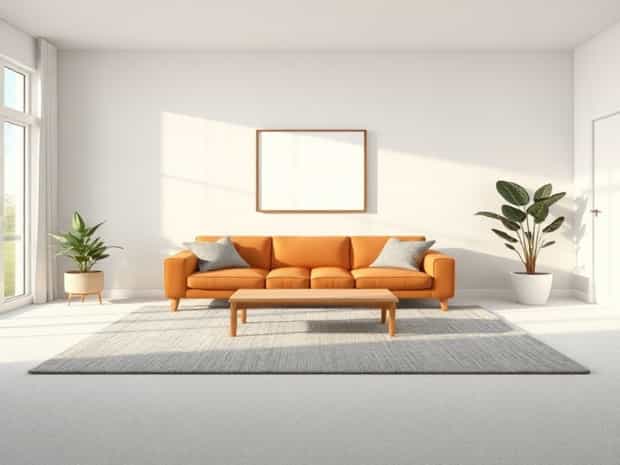
Designing a living room can often involve making choices that balance comfort, style, and functionality. One trend that has gained popularity among interior designers and homeowners is layering carpet on carpet in the living room. This approach not only adds texture and warmth but also creates visual interest and can help define different areas within a large space. While the concept of carpet on carpet may seem unconventional to some, it offers practical benefits as well as aesthetic versatility when executed thoughtfully. Understanding the techniques, materials, and styling options is key to successfully implementing this design strategy.
Benefits of Carpet on Carpet in a Living Room
Layering carpet on carpet can enhance a living room in multiple ways. The most immediate advantage is the additional comfort it provides underfoot. An extra layer of carpet adds softness, warmth, and insulation, which can be particularly valuable in colder climates. Furthermore, layering can help reduce noise levels, making the room quieter and more inviting.
Visual Appeal and Style
Carpet on carpet allows for creative expression in interior design. By choosing complementary or contrasting colors, patterns, and textures, you can create focal points and depth within the living room. For example, placing a patterned area rug over a solid wall-to-wall carpet can draw attention to seating areas, while using different textures can add a tactile element that enhances the overall aesthetic. This layering technique can also make a room feel cozier and more curated, similar to the effect of layered textiles in home decor.
Defining Spaces
In open-plan living rooms, layering carpets is an effective way to define functional zones without using physical dividers. For instance, a distinct area rug over the base carpet can delineate the seating area from a dining or reading nook, creating a sense of organization and flow. This approach allows homeowners to maintain an open layout while still visually segmenting the space.
Choosing the Right Carpets
Selecting appropriate carpets is crucial for both safety and style when layering in a living room. The base carpet should be durable and able to handle foot traffic, while the top carpet or area rug can be more decorative. Materials such as wool, nylon, or polyester are commonly used for their resilience and ease of cleaning. The top carpet can introduce patterns, bold colors, or softer textures that enhance the visual appeal of the room.
Consider Carpet Pile and Thickness
When layering carpets, it is important to consider the pile height and thickness of each layer. A thick, high-pile base carpet may require a thinner, low-pile area rug on top to avoid creating an uneven surface that could pose a tripping hazard. Conversely, a low-pile wall-to-wall carpet can accommodate a plush area rug for added comfort and style. Ensuring that the layers complement each other in terms of thickness and texture will help maintain safety and visual balance.
Color and Pattern Coordination
Choosing the right color scheme is essential for a cohesive look. Neutral base carpets provide flexibility for experimenting with patterned or colorful area rugs. Alternatively, a bold base carpet can be balanced with a more subtle top layer. Patterns and textures should be coordinated to avoid clashing, and homeowners can use complementary tones or contrasting shades to achieve the desired aesthetic effect.
Installation and Safety Considerations
Installing carpet on carpet requires careful attention to safety and stability. Area rugs or secondary carpets should be secured with non-slip pads or double-sided carpet tape to prevent movement. This not only protects against accidents but also ensures that the top carpet maintains its position and appearance over time. Proper installation is particularly important in high-traffic areas to prevent uneven surfaces and tripping hazards.
Layering Techniques
There are several ways to layer carpet effectively in a living room. One common method is to use a large area rug over the existing wall-to-wall carpet, leaving a border of the base carpet visible around the edges. This approach frames the seating area and creates a structured, polished look. Another technique involves overlapping smaller rugs in a collage-like arrangement to add visual interest and a sense of eclectic style. Layering different textures, such as jute over wool or shag over low-pile carpet, can also enhance the tactile experience of the room.
Maintenance Tips
Maintaining carpet on carpet requires regular cleaning and care to preserve both layers. Vacuuming should be done carefully to avoid shifting the top carpet. Periodic deep cleaning of both the base and area rugs helps prevent dirt buildup and prolongs the life of the carpets. Using carpet pads under the top layer can improve longevity, protect the base carpet, and maintain cushioning.
Design Styles That Benefit from Carpet Layering
Carpet on carpet can work well with various interior design styles. In traditional or classic living rooms, a rich patterned area rug over a neutral base carpet can create a sophisticated and layered look. In bohemian or eclectic styles, multiple rugs with different patterns and textures can be combined to achieve a cozy, lived-in aesthetic. Even modern minimalist spaces can benefit from subtle layering with monochromatic rugs that add dimension without overwhelming the room.
Color Psychology and Ambiance
Layering carpets allows homeowners to experiment with color psychology to influence the mood of the living room. Warm tones such as reds, oranges, and yellows can make the space feel inviting and energetic, while cooler tones like blues and greens create a calming and serene environment. The combination of base and top carpets can be adjusted seasonally or for special occasions to refresh the look of the room without extensive renovation.
Pros and Cons of Carpet on Carpet
Before deciding to layer carpet in a living room, it is important to weigh the advantages and potential drawbacks.
- ProsEnhanced comfort, added warmth, noise reduction, visual interest, and the ability to define spaces.
- ConsRequires careful installation to avoid tripping hazards, may increase maintenance, and improper layering can lead to a cluttered or unbalanced appearance.
Layering carpet on carpet in a living room is a versatile design choice that combines comfort, style, and functionality. By carefully selecting materials, textures, and colors, homeowners can create a space that is both visually appealing and comfortable underfoot. Proper installation, safety measures, and regular maintenance ensure that the layered carpets remain durable and attractive over time. Whether used to define zones, introduce patterns, or simply add warmth, carpet on carpet is a creative approach that enhances the living room experience and allows for personalized expression in home design.