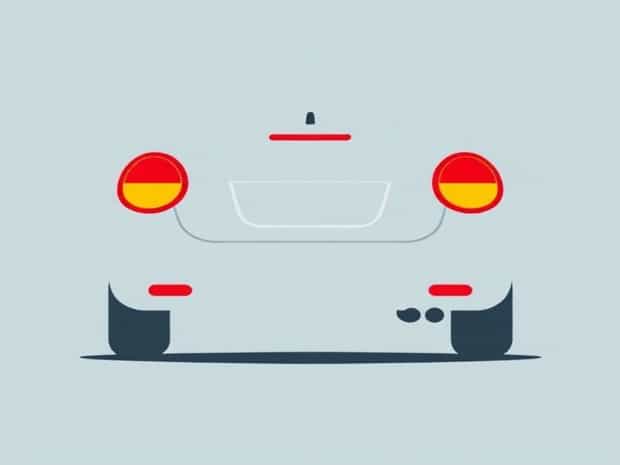
Driving with a broken taillight is a situation many drivers face at some point, and it raises important questions about safety, legality, and vehicle maintenance. A functioning taillight is a critical safety feature that ensures other drivers can see your vehicle at night, in bad weather, or during sudden stops. When a taillight is broken, it not only increases the risk of accidents but can also lead to fines or penalties, depending on local traffic laws. Understanding the consequences of driving with a broken taillight and how to address the issue is essential for every vehicle owner.
The Importance of Taillights
Taillights are an essential part of a vehicle’s lighting system, serving multiple purposes. They illuminate the rear of the car, making it visible to other drivers, especially in low-light conditions. Taillights also include brake lights and turn signals, which communicate your intentions to others on the road. When a taillight is damaged or non-functional, it reduces visibility, making it difficult for other drivers to anticipate your movements. This can lead to dangerous situations, particularly during nighttime driving or in adverse weather conditions like rain, fog, or snow.
Legal Implications
Most traffic laws require vehicles to have all lights in working order, including taillights. Driving with a broken taillight can result in being pulled over by law enforcement and receiving a ticket or citation. The severity of the penalty varies by state or country but often includes fines or warnings. In some regions, repeated violations or failure to repair the taillight within a specified period may lead to more severe consequences, such as points on your driver’s license. Therefore, addressing a broken taillight promptly is not only a matter of safety but also legal compliance.
Safety Risks of Driving with a Broken Taillight
Driving with a broken taillight significantly increases the risk of accidents. Other drivers may not see your vehicle clearly, especially at night or during poor weather conditions. Brake lights, which are part of the taillight assembly, inform drivers behind you when you are slowing down or stopping. If these lights are not functioning, rear-end collisions become more likely. Turn signals, another component of the taillight system, also play a crucial role in preventing accidents by indicating lane changes or turns. A broken taillight compromises all these functions, putting you and other road users at risk.
Common Causes of Broken Taillights
Understanding the common causes of broken taillights can help prevent future issues. Some typical causes include
- Accidental impacts or minor collisions that damage the light assembly.
- Electrical issues such as blown fuses or faulty wiring.
- Exposure to moisture leading to corrosion or short circuits.
- Wear and tear over time, particularly with older vehicles.
Regular maintenance and inspection of your vehicle’s lights can help detect problems early and prevent driving with a broken taillight.
How to Check If Your Taillight Is Broken
It’s essential to regularly check your taillights to ensure they are functioning correctly. You can perform a basic inspection by standing behind your vehicle and observing the lights while they are turned on. Have someone press the brake pedal to check the brake lights, and activate the turn signals to ensure they are working. Additionally, some vehicles have dashboard indicators that alert you to a malfunctioning taillight. Identifying a broken taillight early can prevent accidents and legal issues.
Steps to Fix a Broken Taillight
If you discover a broken taillight, it’s important to address it promptly. Here are steps you can take
- Replace the BulbMany taillight problems are due to a burned-out bulb. Replacing the bulb is often a simple and inexpensive solution.
- Repair WiringIf the light does not turn on even with a new bulb, there may be an electrical issue. Check fuses, wiring connections, and sockets for corrosion or damage.
- Replace the Taillight AssemblyIf the lens is cracked or the assembly is severely damaged, replacing the entire taillight unit may be necessary.
- Visit a Professional MechanicFor complex electrical issues or if you’re unsure how to fix it, taking your car to a certified mechanic is the safest option.
Temporary Solutions and Precautions
While waiting to repair a broken taillight, there are temporary measures you can take to reduce risk. Drive cautiously, maintain extra distance from other vehicles, and avoid nighttime driving if possible. Using reflective tape or other temporary signals can increase visibility, though these are not substitutes for a functional taillight. Remember that these are temporary precautions, and a proper repair should be made as soon as possible.
Insurance Considerations
Driving with a broken taillight can also affect insurance claims. In the event of an accident, insurance companies may consider a malfunctioning light as negligence, potentially impacting your coverage. Ensuring all vehicle lights are operational protects not only your safety but also your legal and financial interests. Keeping maintenance records and repairing taillights promptly can demonstrate responsible vehicle ownership to both law enforcement and insurance providers.
Preventive Maintenance Tips
Preventing taillight issues is easier than dealing with them after they occur. Consider these tips for maintenance
- Regularly inspect all vehicle lights, especially before long trips or during seasonal changes.
- Clean taillight lenses to remove dirt, grime, or moisture buildup.
- Replace bulbs in pairs to maintain consistent lighting and avoid uneven brightness.
- Check fuses and wiring connections periodically to prevent electrical failures.
Driving with a broken taillight is both unsafe and potentially illegal. Taillights are essential for communication on the road, alerting other drivers to your presence, braking, and turning intentions. Ignoring a broken taillight increases the risk of accidents, legal penalties, and insurance complications. Regular inspections, prompt repairs, and preventive maintenance can help ensure that your vehicle remains safe and compliant with traffic laws. By addressing a broken taillight quickly, you protect yourself, your passengers, and other road users while maintaining responsible vehicle ownership.