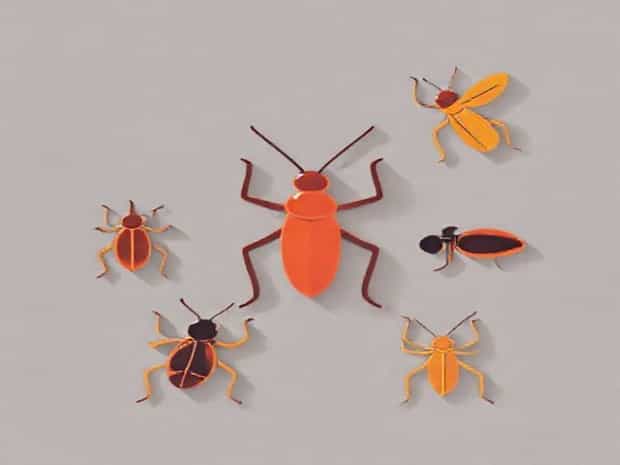
Many people are quick to assume that any small, dark insect scuttling across their kitchen floor is a cockroach. While roaches are common household pests, several other bugs are often mistaken for them due to similar size, shape, or coloration. Mistaking these insects for roaches can lead to unnecessary panic or improper pest control methods. Understanding which bugs resemble cockroaches and learning how to distinguish them is essential for accurate identification, effective treatment, and maintaining a healthy living environment. Observing the characteristics and behaviors of these insects can help homeowners take appropriate action without overreacting.
Common Bugs Mistaken for Roaches
There are several insects frequently confused with cockroaches. These include beetles, crickets, and certain moths. Despite superficial similarities, each species has distinct features and habits that can help differentiate them. Recognizing these differences is the first step in accurate pest identification.
Carpet Beetles
Carpet beetles are small, oval-shaped insects that are often dark brown or black, which can make them resemble tiny cockroaches at first glance. They are typically found indoors, feeding on natural fibers like wool, silk, and fur. Unlike cockroaches, carpet beetles do not scurry away when exposed to light and generally move more slowly. They also lack the long, prominent antennae and flattened body typical of roaches. Identifying carpet beetles is important because their larvae can damage clothing, carpets, and furniture.
Crickets
House crickets and field crickets are another group of insects that can be confused with cockroaches. Crickets are usually more elongated and have long hind legs adapted for jumping, which roaches do not possess. They are generally lighter in color, often brown or tan, and make chirping sounds that roaches do not. Crickets are primarily active at night and are attracted to warm, damp areas but rarely pose the same sanitation concerns as cockroaches. Unlike cockroaches, crickets are harmless and do not transmit diseases.
Water Bugs
Water bugs, particularly giant water bugs, are sometimes misidentified as large cockroaches due to their dark color and flat bodies. However, water bugs are aquatic and are generally found near ponds, lakes, or streams rather than inside homes. They have raptorial front legs for catching prey, and their behavior differs significantly from typical household roaches. Misidentifying water bugs can lead to unnecessary fear, as they do not infest homes or contaminate food in the same way cockroaches do.
Silverfish
Silverfish are small, silvery insects that move quickly across surfaces, often startling homeowners. Their elongated, flattened bodies and rapid, darting movements can cause them to be mistaken for tiny cockroaches. Unlike cockroaches, silverfish have three long tail-like appendages and prefer dry, dark environments such as basements, attics, and closets. They feed on starchy materials like paper, glue, and food residues rather than human waste. Identifying silverfish accurately helps in choosing the right control method, which usually focuses on reducing humidity and sealing entry points.
Springtails
Springtails are tiny, wingless insects that can appear in large numbers indoors, particularly in damp areas. Their dark coloration and erratic movements can resemble juvenile cockroaches. However, springtails are much smaller, often only a few millimeters in length, and they have a distinctive forked appendage that allows them to jump. They thrive in moist environments and feed on decaying organic matter rather than human food, making them harmless in most households. Proper identification prevents unnecessary pesticide use and helps address moisture issues instead.
Tips for Correct Identification
Correctly identifying bugs that resemble cockroaches is crucial for managing pests effectively. Misidentification can lead to ineffective treatments, wasted resources, and continued infestations. The following tips can help differentiate cockroaches from lookalike insects
Observe Body Shape and Size
Cockroaches typically have flattened, oval-shaped bodies with long antennae and six spiny legs. Lookalike insects may have rounded, elongated, or more segmented bodies. Measuring size can also help; most household cockroaches range from 1 to 2 inches long, while many lookalikes are significantly smaller or larger.
Check Movement Patterns
Cockroaches move quickly and often scurry into dark hiding places when disturbed. In contrast, beetles tend to walk more slowly, crickets jump, and silverfish move in rapid, wiggling motions. Observing how an insect reacts to light or disturbance provides clues to its identity.
Examine Habitat
Cockroaches prefer warm, humid environments near food and water sources, such as kitchens, bathrooms, and basements. Other insects may have different habitat preferences; for instance, silverfish like dry, secluded areas, while water bugs are aquatic. Identifying where the insect is found helps determine whether it is truly a roach or a harmless lookalike.
Look for Wings
Adult cockroaches have wings, although not all species fly frequently. Beetles and water bugs also have wings, but their shape and placement can be different. Springtails and silverfish do not have wings at all, providing a distinguishing feature when observed closely.
Preventing Misidentification
Preventing misidentification involves both education and observation. Taking the time to carefully examine insects, noting key characteristics, and understanding their typical behavior can reduce confusion. Using online resources, field guides, or consulting pest control professionals ensures accurate identification. Correctly identifying the insect not only alleviates unnecessary fear but also allows for appropriate and targeted pest management strategies.
Practical Advice for Homeowners
- Take clear photos of the insect for reference and comparison with online guides.
- Observe the insect’s size, color, and behavior before applying pesticides.
- Note the location and environmental conditions where the insect is found.
- Use traps or collection containers to safely capture and identify insects without causing harm.
- Consult a professional pest control service if unsure about the identification.
Many insects can be mistaken for cockroaches due to similarities in appearance, size, or movement. Common examples include carpet beetles, crickets, water bugs, silverfish, and springtails. Accurately distinguishing these insects from true cockroaches is important for proper pest management, preventing unnecessary use of pesticides, and understanding the ecological roles of these bugs. By observing body shape, movement patterns, habitat, and other distinguishing characteristics, homeowners and enthusiasts can confidently identify insects and respond appropriately. Awareness and careful observation are key to managing household pests effectively while avoiding common mistakes associated with misidentification.