Surveying instruments have played a crucial role in the development of engineering, construction, and land measurement. Among these, the theodolite stands out as one of the most precise tools used for measuring horizontal and vertical angles. A small but essential component that ensures the accuracy of this instrument is the bubble tube. Without the bubble tube, the theodolite would not be able to achieve the level and stable alignment required for precise readings. Understanding the bubble tube in a theodolite means appreciating its structure, its working principle, and its role in achieving reliable surveying results.
What is a Bubble Tube in a Theodolite?
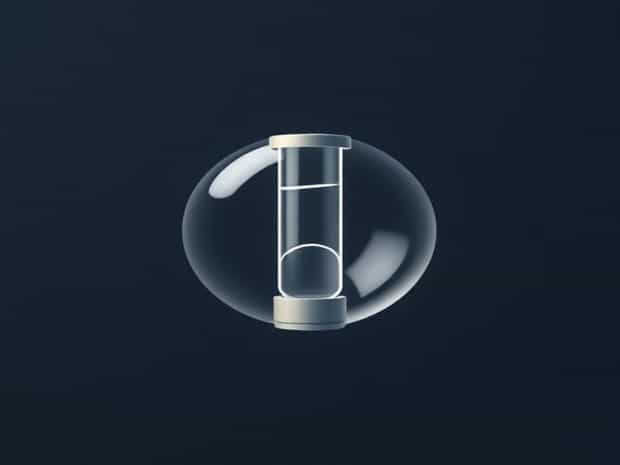
The bubble tube in a theodolite is a curved, transparent glass tube partially filled with liquid and leaving a small air bubble inside. This bubble serves as an indicator for horizontal or vertical alignment. When the bubble is centered, it signifies that the axis of the theodolite is properly leveled. This feature helps surveyors ensure that their readings are accurate and unaffected by instrument tilt or uneven surfaces.
Structure of the Bubble Tube
The bubble tube may look simple, but its structure is carefully designed to provide maximum sensitivity. The accuracy of a theodolite depends greatly on this small component.
- Glass TubeA slightly curved, transparent tube usually made from high-quality glass.
- LiquidThe tube is filled with liquid such as ether, alcohol, or a similar fluid that remains stable under varying temperatures.
- BubbleThe air bubble moves inside the liquid and shifts position based on the tilt of the instrument.
- GraduationsSmall lines are marked on the tube to show the exact center, helping the surveyor align the bubble correctly.
Working Principle of the Bubble Tube
The bubble tube works on the principle of gravity. When the surface of the tube is perfectly horizontal, the bubble moves naturally to the highest point, which is at the center of the curved tube. If the instrument tilts, the bubble shifts away from the center, signaling the need for adjustment. Surveyors then use leveling screws on the theodolite to bring the bubble back to its central position.
Importance of the Bubble Tube in Surveying
The bubble tube in theodolite instruments is vital because it ensures that measurements are taken on a level plane. Even a slight misalignment can cause large errors when measuring angles or distances over long spans. This makes the bubble tube a critical part of any surveying operation.
Accuracy in Horizontal Angles
Horizontal angles are measured with respect to a level base. If the bubble tube is not properly centered, the base will not be horizontal, causing errors in angular measurement. Thus, the bubble tube ensures accuracy in horizontal readings.
Accuracy in Vertical Angles
Vertical angle measurement also depends on the correct leveling of the theodolite. A misaligned bubble tube leads to distorted vertical readings, affecting slope or elevation data. Keeping the bubble centered ensures that vertical angles represent true inclinations.
Types of Bubble Tubes in Theodolites
Different types of bubble tubes are used in surveying instruments, each serving a specific purpose. The theodolite often includes more than one bubble tube for versatile functions.
- Plate Level Bubble TubePositioned on the horizontal plate of the theodolite, this tube is used for leveling the instrument base.
- Altitude Bubble TubeUsed for vertical circle measurements to check the alignment of the telescope.
- Cross Level Bubble TubeFound in some instruments for fine leveling in perpendicular directions.
How to Read a Bubble Tube Correctly
Reading the bubble tube may seem straightforward, but precision is required to avoid mistakes. The surveyor must check that the bubble is exactly between the central graduation marks. If the bubble lies even slightly off-center, adjustments must be made with leveling screws. This process ensures the theodolite stands perfectly horizontal or vertical depending on the measurement required.
Common Issues with Bubble Tubes
Despite being a small component, bubble tubes can experience problems that reduce the accuracy of the theodolite.
- Air LeakageIf the tube develops cracks or leaks, the bubble may disappear or become irregular.
- Temperature SensitivityExtreme heat or cold may expand or contract the liquid, changing the bubble’s behavior.
- MisalignmentOver time, the bubble tube may shift from its calibrated position, requiring realignment.
- Visibility IssuesDirt, dust, or scratches on the glass tube make it harder to read the bubble accurately.
Calibration of Bubble Tubes
Calibration is necessary to ensure the bubble tube continues to provide accurate readings. Regular checks are done by comparing the bubble position with known reference surfaces. If the bubble is not centered correctly despite the surface being level, adjustments are made to the tube itself. Calibration ensures long-term reliability of the theodolite.
Maintenance of Bubble Tubes
Proper care extends the life of the bubble tube and keeps the theodolite functioning at peak performance.
- Clean the glass tube regularly with a soft cloth to maintain visibility.
- Store the theodolite in protective cases to avoid shocks and vibrations.
- Avoid exposing the instrument to extreme temperatures for long periods.
- Check the bubble’s central position before and after every major survey project.
Modern Developments and Alternatives
Although bubble tubes remain widely used, modern digital theodolites and total stations have introduced electronic leveling systems. These use sensors to detect tilt and display leveling information digitally. However, the traditional bubble tube remains an essential backup in many instruments, proving its reliability and simplicity even in advanced surveying technology.
Applications of Bubble Tube in Theodolite Usage
The bubble tube is not only important for general surveying tasks but also critical in specialized applications such as
- Construction site layout for buildings, roads, and bridges.
- Topographic surveying for mapping terrain accurately.
- Geodetic surveying where precision is crucial for large-scale projects.
- Engineering projects that require exact measurements of angles and slopes.
The Indispensable Role of Bubble Tubes
The bubble tube in a theodolite might appear to be a small and simple component, but it is indispensable in ensuring accuracy in surveying. Its design, working principle, and reliability make it an essential tool for leveling and precise measurement. Without the bubble tube, the theodolite would not be able to deliver dependable results, making it a foundation of both traditional and modern surveying practices. Whether in construction, engineering, or land development, the bubble tube continues to serve as a silent yet vital element of accuracy.