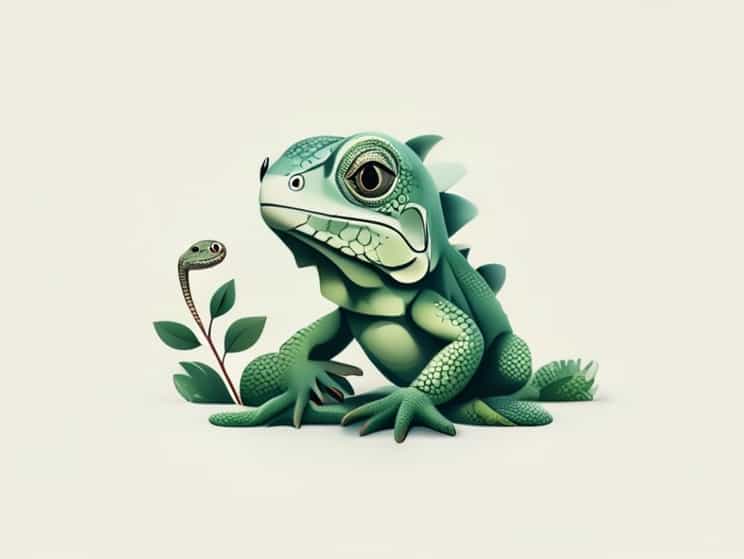
Baby iguanas and snakes are fascinating creatures that capture the curiosity of reptile enthusiasts and nature lovers alike. Observing their early stages of life reveals intricate behaviors, survival instincts, and adaptations that are crucial for their growth. While iguanas and snakes differ significantly in physiology and habitat preferences, they share common challenges as hatchlings, including avoiding predators, finding food, and regulating their environment. Understanding these young reptiles not only provides insight into their life cycles but also helps in developing proper care strategies for those kept in captivity, ensuring their healthy development and long-term survival.
Overview of Baby Iguanas
Baby iguanas, often called hatchlings, are usually about 6 to 10 inches long at birth. They are born with bright colors and patterns that help them blend into their surroundings. These hatchlings are independent from birth, capable of climbing and foraging for food almost immediately. Unlike some other reptiles, baby iguanas do not rely on parental care, making their early life a test of survival skills and adaptability.
Physical Characteristics
- Size and WeightBaby iguanas are small and lightweight, typically weighing only a few ounces.
- ColorationHatchlings often have vibrant green or brown hues with stripes or spots that provide camouflage.
- Claws and TailSharp claws and a strong tail aid in climbing and defending against potential threats.
Behavior and Habitat
In the wild, baby iguanas tend to inhabit trees, bushes, or rocky areas where they can avoid predators. Their diet mainly consists of leaves, flowers, and soft fruits. Hatchlings are cautious and often remain hidden during the day, becoming more active in search of food when it’s safer. Understanding these behaviors is essential for anyone looking to keep iguanas in captivity, as replicating natural conditions supports healthy growth and development.
Overview of Baby Snakes
Baby snakes, often referred to as neonates, vary in size and appearance depending on species. Unlike iguanas, many snake species give birth to live young or lay eggs, and their hatchlings emerge fully independent. Baby snakes are equipped with instincts and physical tools to survive from day one, including the ability to hunt small prey and avoid predators. Their survival depends heavily on camouflage, stealth, and rapid response to threats.
Physical Characteristics
- Size and WeightHatchling snakes can range from a few inches to over a foot in length, depending on species.
- ColorationPatterns and colors vary widely, often mimicking the environment to avoid predation.
- Venom and FangsSome species are born with venom, which they use to immobilize prey and defend themselves.
Behavior and Habitat
Baby snakes are generally secretive and spend much of their time hiding under rocks, leaves, or in burrows. Their diet primarily consists of insects, small rodents, or amphibians. Hatchlings rely on their instinctive hunting abilities to secure food, and their behavior is heavily influenced by the need for safety and warmth. Understanding these behaviors is vital for captive care and conservation efforts.
Interactions Between Baby Iguanas and Snakes
In natural habitats, baby iguanas and snakes may interact as predator and prey. Many snake species consider small iguanas a food source, especially in areas where both species coexist. Baby iguanas rely on speed, climbing skills, and camouflage to avoid predation. Observing these interactions provides insight into ecological dynamics, predator-prey relationships, and the importance of habitat diversity for survival.
Survival Strategies of Baby Iguanas
- CamouflageBright green and patterned skin helps blend into leaves and trees.
- Rapid MovementQuick climbing and jumping reduce the risk of being caught.
- Tail WhipA strong tail can be used to deter predators or create distance.
Survival Strategies of Baby Snakes
- HidingUtilizing rocks, burrows, and vegetation to avoid detection.
- Ambush PredationWaiting for small prey, including baby iguanas, to pass by.
- CamouflagePatterns and colors match the environment, providing both protection and hunting advantage.
Captive Care for Baby Iguanas and Snakes
For reptile enthusiasts, understanding the needs of baby iguanas and snakes is crucial for proper care. Both require specialized diets, temperature control, and safe enclosures that mimic their natural environments. Baby iguanas benefit from enclosures with climbing structures, leafy vegetation, and consistent warmth. Baby snakes need secure hideouts, controlled humidity, and feeding schedules that match their natural hunting habits.
Diet and Nutrition
- Baby iguanas thrive on fresh vegetables, leafy greens, and occasional fruits, providing calcium and vitamins necessary for bone development.
- Baby snakes require small prey such as insects, baby rodents, or appropriately sized frozen-thawed food, depending on species.
- Both species require access to fresh water for hydration and health maintenance.
Environmental Requirements
- Temperature gradients in enclosures allow reptiles to thermoregulate effectively.
- Humidity control is essential, especially for snake hatchlings, to prevent dehydration and skin shedding issues.
- Secure enclosures prevent escapes and protect hatchlings from potential dangers in the household environment.
Conservation and Ecological Significance
Baby iguanas and snakes play important roles in their ecosystems. Hatchlings contribute to population sustainability and are part of complex food webs. Iguanas help with seed dispersal, while snakes help control rodent and insect populations. Understanding the early life stages of these reptiles is critical for conservation efforts, especially in regions where habitat loss, predation, or human activity threatens survival.
Challenges in the Wild
- Predation from birds, larger reptiles, and other snakes.
- Habitat destruction due to urbanization and deforestation.
- Climate changes affecting temperature, humidity, and food availability.
Role in Education and Research
Studying baby iguanas and snakes helps scientists understand growth patterns, behavior, and survival strategies. Reptile hatchlings are often used in educational programs to teach about ecology, predator-prey interactions, and biodiversity. Observing these young reptiles fosters appreciation for wildlife and encourages conservation-minded practices among the public.
Baby iguanas and snakes are remarkable examples of survival and adaptation in the reptile world. From their early life stages, both species exhibit specialized behaviors and physical traits that increase their chances of survival. Whether observed in the wild or cared for in captivity, these hatchlings provide invaluable insights into ecological systems, predator-prey dynamics, and reptilian biology. Ensuring proper care, understanding their natural habits, and supporting conservation efforts are key to preserving these intriguing species for future generations.