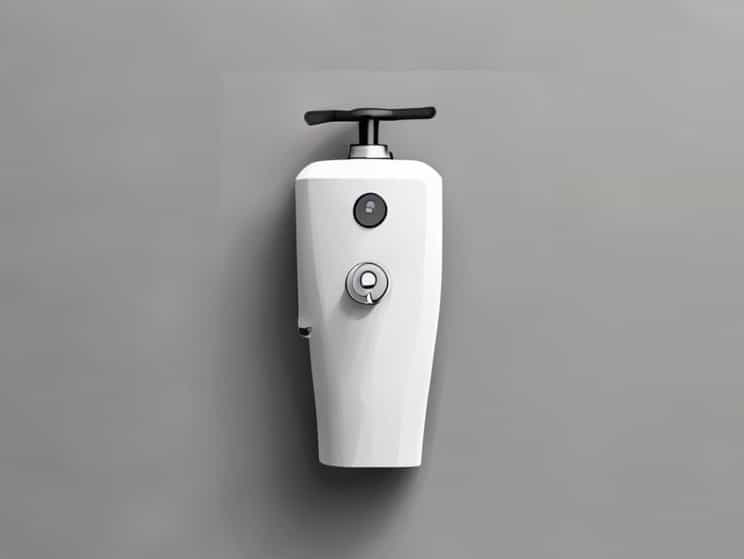
Automatic urinal flush valves have become an essential component in modern restroom design, offering both convenience and hygiene in public and commercial facilities. These devices automatically flush urinals after each use, reducing the need for manual operation and minimizing the spread of germs. By integrating sensors and precise water control mechanisms, automatic flush valves not only enhance user experience but also contribute to water conservation and maintenance efficiency. Their adoption has grown in airports, shopping malls, office buildings, and schools, reflecting a global trend toward smarter, touch-free sanitation solutions that prioritize health and operational efficiency.
Understanding Automatic Urinal Flush Valves
An automatic urinal flush valve is a plumbing device designed to flush a urinal without the need for physical contact. Typically installed above the urinal, it releases a controlled amount of water after a user steps away, ensuring the fixture is clean and ready for the next person. These valves are often powered by batteries, electricity, or hydraulic systems, depending on the installation environment. Modern designs incorporate infrared sensors or motion detectors to activate the flush, ensuring accuracy and responsiveness while conserving water.
Key Components
- SensorDetects user presence and triggers the flushing mechanism.
- Valve BodyThe main unit that controls water flow to the urinal.
- Water InletConnects to the plumbing system to supply water to the valve.
- Control ModuleManages the timing and duration of flush cycles.
- Power SourceEither batteries, AC electricity, or hydraulic energy to operate the valve.
Benefits of Automatic Urinal Flush Valves
Automatic urinal flush valves offer multiple advantages, making them a preferred choice in public restrooms. The touch-free operation significantly reduces the transmission of bacteria and viruses, promoting a healthier environment. Additionally, these devices ensure consistent and proper flushing, which reduces odor problems and keeps facilities cleaner. The controlled water flow also helps in reducing water consumption, providing an eco-friendly and cost-efficient solution for building management.
Hygiene Improvement
One of the primary benefits of automatic urinal flush valves is improved hygiene. Manual flush handles are frequently touched by multiple users, creating a breeding ground for germs. By eliminating the need for physical contact, automatic valves help minimize the spread of infectious diseases and contribute to overall public health. Facilities with high traffic, such as airports or stadiums, particularly benefit from this touchless technology.
Water Conservation
Automatic urinal flush valves are engineered to use precise amounts of water per flush, preventing overuse and wastage. Many models include adjustable flush volumes, allowing facility managers to optimize water usage according to the needs of the building. Some systems even feature dual-flush or intermittent flushing mechanisms, further enhancing water efficiency. This contributes to significant long-term savings on water bills while supporting environmental sustainability initiatives.
Types of Automatic Flush Valves
Automatic urinal flush valves are available in several types, each designed to meet specific requirements and installation conditions. Understanding the different types helps in selecting the most suitable option for a particular restroom setup.
Sensor-Activated Valves
These valves use infrared or motion sensors to detect user presence. Once the user moves away, the sensor triggers the flush. Sensor-activated valves are popular in high-traffic areas due to their reliability and consistent performance.
Time-Controlled Valves
Time-controlled automatic flush valves operate on a preset schedule, flushing urinals at specific intervals regardless of use. These are effective in areas with low traffic or where sensor-based systems may not be necessary. While not as precise as sensor-based systems, they still help maintain cleanliness and reduce manual intervention.
Manual Override Options
Some automatic flush valves come with a manual override button or lever, allowing users or maintenance staff to trigger a flush when needed. This is particularly useful during maintenance, cleaning, or unusual usage scenarios.
Installation and Maintenance
Proper installation of automatic urinal flush valves is crucial for optimal performance. Most units are mounted above the urinal and connected to the water supply through standard plumbing fittings. Electrical or battery-powered models require careful positioning to ensure sensors are correctly aligned. Maintenance involves regular battery replacement, sensor cleaning, and occasional inspection of valves for wear or leaks. Routine upkeep ensures consistent performance, longevity, and water efficiency.
Common Installation Considerations
- Height and positioning of the sensor to detect users accurately.
- Compatibility with existing plumbing systems.
- Access to power sources or battery compartments for maintenance.
- Durability and corrosion resistance, especially in high-moisture environments.
Maintenance Tips
Maintaining an automatic urinal flush valve is relatively simple but essential for reliable operation. Sensors should be cleaned regularly to prevent false triggers or missed flushes. Water filters, if present, should be checked and cleaned to prevent clogging. Battery-powered units require periodic battery replacement, and mechanical components should be inspected for wear. Following a scheduled maintenance plan ensures the system operates efficiently and reduces the risk of malfunctions.
Challenges and Considerations
While automatic urinal flush valves provide numerous benefits, there are considerations to keep in mind. Initial installation costs can be higher than traditional manual valves. Some older models may have issues with sensor accuracy, leading to unnecessary flushes or missed flushes. Environmental factors, such as lighting conditions, can sometimes affect sensor performance. Choosing a high-quality, reputable brand and professional installation can mitigate these challenges.
Cost vs. Savings
Although the upfront investment in automatic flush valves is greater, long-term savings in water usage, reduced maintenance, and improved hygiene often outweigh initial costs. Facilities with high restroom traffic benefit significantly from reduced labor and cleaning requirements, making the investment worthwhile over time.
Automatic urinal flush valves represent a significant advancement in restroom hygiene, water efficiency, and user convenience. By incorporating sensors, controlled water flow, and modern technology, these devices create a touch-free, efficient, and environmentally responsible solution for public and commercial facilities. Proper installation, regular maintenance, and consideration of environmental factors ensure optimal performance and long-term reliability. As more businesses and institutions prioritize health, sustainability, and operational efficiency, the adoption of automatic urinal flush valves continues to grow, reflecting the ongoing evolution of modern restroom technology.