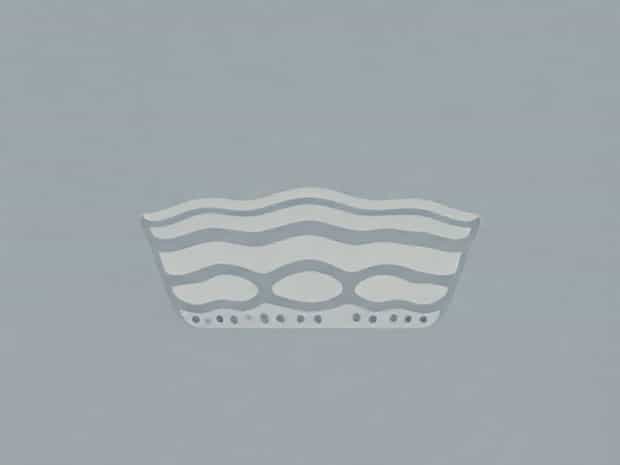
Among the many tissues that make up the human body, stratified squamous epithelium is one of the most fascinating because of its vital protective role. Found in several regions, this type of epithelial tissue forms barriers that guard against physical, chemical, and biological damage. Its layered structure makes it especially resistant to wear and tear, which is why it appears in areas like the skin, mouth, esophagus, and even the outer surface of the cervix. Learning about stratified squamous epithelium helps us understand not only anatomy but also how our bodies maintain health and defense every day.
Understanding Stratified Squamous Epithelium
Stratified squamous epithelium is a type of epithelial tissue composed of multiple layers of cells. The term stratified” refers to the fact that the cells are stacked in several layers, while “squamous” describes the flattened, tile-like appearance of the cells at the surface. This structure is well-suited to provide strong protection against abrasion, dehydration, and microbial invasion.
Key Characteristics
When describing stratified squamous epithelium, several key features stand out
- It has multiple layers of cells, with basal cells being cuboidal or columnar and surface cells becoming flattened.
- The basal layer is where cells divide and push older cells upward toward the surface.
- As the cells move upward, they undergo changes in shape and structure.
- At the surface, cells are often dead and filled with keratin or other protective proteins, depending on the type.
Types of Stratified Squamous Epithelium
There are two main types, each serving a slightly different purpose
Keratinized Stratified Squamous Epithelium
This form is found in the outer layer of the skin, also known as the epidermis. It contains keratin, a tough, fibrous protein that makes the tissue resistant to friction, heat, and microbial invasion. The keratinized type provides a waterproof barrier, preventing excessive water loss and protecting against harmful environmental factors.
Non-Keratinized Stratified Squamous Epithelium
Unlike the keratinized type, non-keratinized stratified squamous epithelium does not contain a thick layer of keratin. It is found in moist body surfaces that require protection but also flexibility, such as the mouth, esophagus, vagina, and anal canal. These areas remain moist and provide lubrication, which prevents damage during activities like chewing, swallowing, or childbirth.
Locations in the Human Body
The distribution of stratified squamous epithelium throughout the body reflects its function. It is strategically placed in areas that are exposed to mechanical stress, friction, and potential injury. Some of the common locations include
- Skin (epidermis) – keratinized type
- Mouth and oral cavity – non-keratinized type
- Pharynx and esophagus – non-keratinized type
- Vagina and cervix – non-keratinized type
- Anal canal – non-keratinized type
Protective Functions
Stratified squamous epithelium plays a crucial role in maintaining the integrity of the body. Its functions include
- Protection against abrasionThe layered structure prevents underlying tissues from being damaged during constant friction, such as chewing food or walking.
- Barrier against infectionIt forms a physical shield that limits the entry of bacteria, viruses, and fungi.
- WaterproofingThe keratinized version prevents dehydration by locking in moisture and preventing excessive water loss.
- Flexibility and resilienceThe non-keratinized type provides both protection and elasticity in areas requiring constant movement.
Histological Structure
When observed under a microscope, stratified squamous epithelium reveals its unique layered organization
- Basal layerContains cuboidal or columnar cells that continuously divide to replace older cells.
- Intermediate layersCells become more flattened as they move upward and prepare for their protective role.
- Surface layerIn keratinized types, cells are dead, flattened, and filled with keratin. In non-keratinized types, surface cells remain alive and retain their nuclei.
Clinical Relevance
Understanding stratified squamous epithelium is important in medicine and healthcare because it is often involved in diseases and conditions. Examples include
- CancersSquamous cell carcinoma is a common type of cancer that develops in this tissue, particularly in the skin, mouth, and cervix.
- InfectionsCertain viruses, like human papillomavirus (HPV), target squamous epithelial cells.
- Skin disordersConditions such as psoriasis or eczema involve changes in stratified squamous epithelium.
- Esophageal damageAcid reflux can erode the non-keratinized epithelium of the esophagus, leading to irritation and injury.
Adaptations and Special Features
One of the most remarkable features of stratified squamous epithelium is its adaptability. Depending on its location, it can become more keratinized to handle extra friction or remain non-keratinized to maintain flexibility. For example, in smokers, the epithelium of the respiratory tract may undergo changes, adapting to the increased stress caused by inhaled chemicals.
Comparison with Other Epithelial Types
To appreciate stratified squamous epithelium, it helps to compare it with other epithelial tissues
- Simple squamous epitheliumComposed of a single layer of flat cells, ideal for diffusion and filtration, such as in the lungs and blood vessels.
- Columnar epitheliumTall, column-shaped cells specialized for absorption and secretion, commonly found in the intestines.
- Cuboidal epitheliumCube-shaped cells that function in secretion and absorption, present in glands and kidney tubules.
Unlike these types, stratified squamous epithelium focuses on protection rather than absorption or secretion, which explains its specialized role in high-friction areas.
The Role in Everyday Life
Everyday activities such as eating, walking, speaking, or even touching objects rely on the protective barrier provided by stratified squamous epithelium. Without it, simple actions would constantly injure underlying tissues, leaving the body vulnerable to infections and dehydration. This tissue acts as a silent guardian, maintaining comfort and safety without us even noticing.
Learning about stratified squamous epithelium reveals how essential it is to our daily lives. Its layered structure provides protection, resilience, and adaptability across different body regions. Whether keratinized to shield the skin or non-keratinized to keep passages moist, this tissue plays a central role in defense and survival. By understanding its structure, functions, and clinical relevance, we gain a deeper appreciation for the complexity of the human body and the hidden systems that keep us healthy.