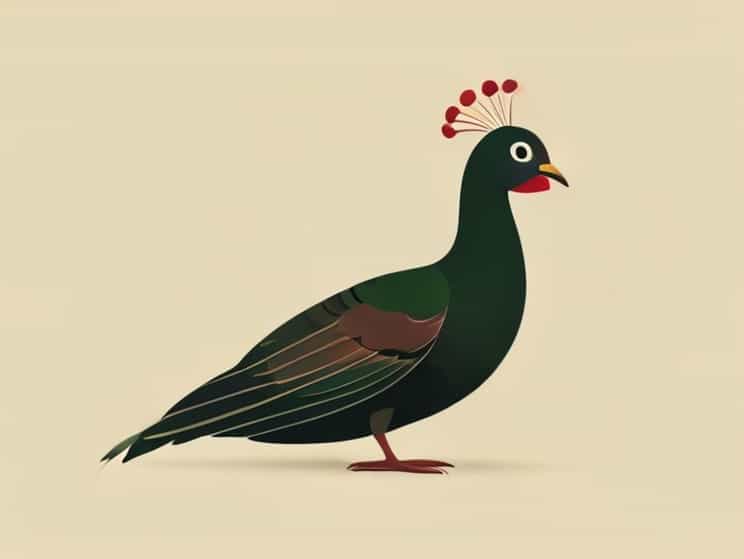
Peafowl are among the most striking birds in the animal kingdom, with peacocks renowned for their vibrant tail feathers and peahens valued for their role in reproduction and nurturing the next generation. A peahen will usually lay eggs in a particular pattern and quantity depending on factors such as age, environment, nutrition, and season. Understanding the egg-laying behavior of peahens is important for bird enthusiasts, breeders, and conservationists, as it provides insight into reproductive cycles, incubation practices, and overall health management. Observing a peahen’s laying habits can help in providing optimal care and ensuring the survival of the offspring.
Overview of Peahen Reproduction
Peahens, the female of the peafowl species, play a critical role in reproduction. Unlike peacocks, which display flamboyant plumage to attract mates, peahens exhibit more subdued coloring that provides camouflage while nesting. Peahens reach sexual maturity at around two to three years of age and typically begin laying eggs during the breeding season, which generally occurs in the spring and early summer months. The reproductive behavior of peahens is influenced by environmental factors, including temperature, daylight duration, and availability of food.
Egg-Laying Frequency
A peahen will usually lay one egg every other day during her breeding season. On average, a single peahen lays between three to twelve eggs per season, though under optimal conditions, some may lay up to fifteen. Each egg is relatively large compared to the size of the bird and is typically light brown with small speckles, providing camouflage against predators when laid in a nest on the ground. The consistency and number of eggs depend on the health and age of the peahen, as well as her access to adequate nutrition.
Characteristics of Peahen Eggs
Peahen eggs have unique characteristics that distinguish them from other bird species. They are oval in shape and measure approximately 2 to 2.5 inches in length. The eggs have a hard shell that protects the developing embryo and provides resistance against minor impacts. The coloration and speckling of the eggs help blend them into the natural environment, reducing the risk of predation by animals such as snakes, foxes, or raccoons.
Nesting Behavior
Peahens typically lay their eggs in concealed nests on the ground, often within tall grass, bushes, or near rocky outcrops. The nest itself is shallow, constructed from twigs, leaves, and other natural materials. During the egg-laying period, a peahen may leave the nest periodically to feed but generally remains close to guard the eggs from predators. The nest site is chosen for its safety, cover, and proximity to food and water sources.
Incubation and Care
After laying, the peahen will incubate her eggs for about 28 to 30 days. During this period, she carefully regulates temperature and humidity by sitting on the eggs and adjusting her posture. She may turn the eggs periodically to ensure even heat distribution, which is essential for proper embryonic development. The peahen’s protective behavior includes staying alert to threats, calling out warnings, and using her body to shield the eggs from potential predators.
Factors Affecting Egg Production
Several factors influence how many eggs a peahen will lay in a season. Age is a critical determinant, as younger peahens may lay fewer eggs than fully mature individuals. Nutrition is equally important; a diet rich in protein, calcium, and essential vitamins ensures healthy egg development and consistent laying patterns. Environmental conditions, such as light exposure and stress levels, also impact egg production. Peahens in captivity may lay more regularly if provided with optimal conditions, including safe nesting areas and adequate food.
Seasonal Variations
Peahens are seasonal breeders, and their egg-laying habits correspond to favorable environmental conditions. Typically, they lay eggs during the spring when temperatures are moderate, and food availability is high. Seasonal variations ensure that the chicks hatch when conditions are suitable for survival, including access to insects, seeds, and shelter. In some regions, peahens may adjust their laying schedule slightly based on local climate and resource availability.
Behavioral Observations
Observing a peahen during the egg-laying period can provide insights into her reproductive health. A healthy peahen will regularly return to the nest after foraging and demonstrate protective behaviors around her eggs. Signs of distress, reduced egg-laying, or abandonment of the nest may indicate illness, poor nutrition, or environmental stress. For breeders and conservationists, monitoring these behaviors is essential to ensure the survival of both the eggs and the chicks once hatched.
Hatching and Rearing
Once the incubation period ends, the chicks, known as peachicks, begin to hatch from the eggs. A peahen will often assist in the hatching process by gently nudging the eggs and ensuring the chicks emerge safely. Peachicks are precocial, meaning they are relatively mature and mobile shortly after hatching. The mother peahen continues to protect and guide her chicks, teaching them to forage for food and avoid predators. This maternal care is critical for the survival and development of the young birds.
Survival and Growth
The number of eggs a peahen lays directly impacts the potential survival of her offspring. Although a peahen may lay several eggs, not all will hatch successfully due to predation, environmental hazards, or developmental issues. Once hatched, the peachicks require care and protection from both the mother and the environment. Adequate nutrition, shelter, and safety from predators are essential for growth into healthy adult peafowl.
Peahen Egg-Laying in Captivity
In controlled environments such as aviaries or farms, peahens may exhibit different egg-laying patterns compared to the wild. With consistent feeding, safety from predators, and controlled lighting, peahens can lay eggs more regularly and sometimes produce larger clutches. Breeders often provide nesting boxes to simulate natural conditions, ensuring that peahens feel secure while laying. Monitoring and recording egg production in captivity helps optimize breeding programs and maintain healthy populations.
Factors for Optimal Egg Production
- Balanced diet with sufficient protein, calcium, and vitamins
- Safe, comfortable, and secluded nesting areas
- Reduced stress from predators or environmental disturbances
- Controlled light exposure to simulate natural seasonal cues
A peahen will usually lay between three to twelve eggs per breeding season, with the possibility of more under ideal conditions. These eggs are carefully incubated in well-hidden nests, with the mother providing warmth, protection, and guidance for the developing embryos. The number, frequency, and success of egg-laying depend on multiple factors, including age, nutrition, environment, and health. Understanding these patterns is essential for conservationists, breeders, and bird enthusiasts seeking to ensure the survival and well-being of peafowl populations. By providing optimal conditions and careful monitoring, it is possible to support healthy reproduction and the continuation of these magnificent birds for future generations.