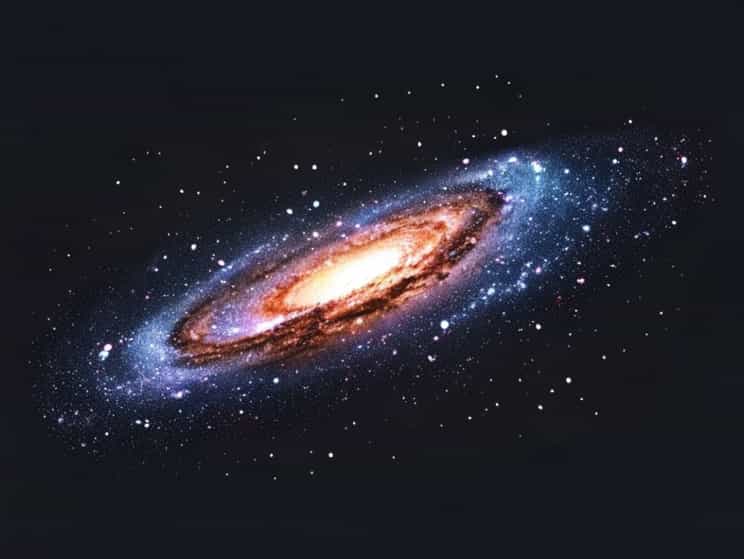
A galaxy cluster is one of the largest structures in the universe, containing hundreds to thousands of galaxies bound together by gravity. These immense cosmic formations are more than just collections of stars and galaxies; they are hubs of dark matter, hot gas, and cosmic activity that help astronomers understand the evolution of the universe. Studying galaxy clusters provides insight into how galaxies interact, how matter is distributed across the cosmos, and how gravity shapes the largest structures known to science. They are key to piecing together the mysteries of the universe’s past, present, and future.
Defining a Galaxy Cluster
A galaxy cluster is a massive system composed of galaxies, dark matter, and hot intracluster gas. While a single galaxy like the Milky Way is already enormous, a cluster brings together many galaxies into one gravitationally bound structure. The scale of these clusters is mind-boggling, often spanning millions of light-years across and weighing quadrillions of times more than the Sun.
Components of a Galaxy Cluster
Although galaxies are the most visible part, they only make up a small fraction of the total mass. A galaxy cluster contains three main components
- GalaxiesSpiral, elliptical, and irregular galaxies that form the visible part of the cluster.
- Intracluster Medium (ICM)Extremely hot gas, heated to millions of degrees, that emits X-rays and fills the space between galaxies.
- Dark MatterThe invisible mass that makes up the majority of the cluster’s gravity, holding everything together.
Without dark matter, galaxy clusters would not be able to remain intact, as the visible matter alone cannot provide the necessary gravitational binding.
Types of Galaxy Clusters
Not all galaxy clusters are the same. They vary in size, composition, and structure. Astronomers generally classify them into a few categories
- Poor ClustersContain a few dozen galaxies loosely bound together.
- Rich ClustersContain hundreds or even thousands of galaxies, more tightly packed and gravitationally bound.
- SuperclustersGigantic formations made of multiple clusters, forming the largest known structures in the universe.
How Galaxy Clusters Form
Galaxy clusters are believed to form over billions of years through the process of hierarchical clustering. Smaller groups of galaxies gradually merge due to gravitational attraction, eventually forming larger structures. Dark matter plays a central role in this process by providing the gravitational framework that pulls galaxies and gas together. Collisions between galaxy clusters can create even larger and more complex structures, shaping the cosmic web we observe today.
Famous Galaxy Clusters
Some galaxy clusters are particularly well-known in astronomy for their size, brightness, or unique features. Examples include
- Virgo ClusterThe nearest rich cluster, containing over 1,000 galaxies, including giant elliptical galaxies.
- Coma ClusterA massive cluster with thousands of galaxies, often studied to understand galaxy evolution.
- Perseus ClusterNotable for its X-ray emissions and active galactic nuclei.
- Bullet ClusterFamous for providing strong evidence for the existence of dark matter.
The Role of Galaxy Clusters in Cosmology
Galaxy clusters are more than just collections of galaxies; they are cosmic laboratories. Because they are the largest gravitationally bound structures, they allow scientists to study the distribution of dark matter, the behavior of hot gas, and the interaction of galaxies on a massive scale. Clusters also serve as probes for measuring the large-scale structure of the universe and testing theories about cosmic expansion and dark energy.
Observing Galaxy Clusters
Studying galaxy clusters requires observations across multiple wavelengths, as each component of the cluster emits different signals
- Optical telescopesReveal the galaxies themselves, including their shapes and distributions.
- X-ray observatoriesDetect the hot intracluster gas that fills the space between galaxies.
- Radio telescopesPick up emissions from jets and active galactic nuclei within the cluster.
- Gravitational lensingShows the influence of dark matter by observing how clusters bend light from background galaxies.
By combining these methods, astronomers create a more complete picture of what a galaxy cluster is and how it behaves.
Galaxy Clusters and Dark Matter
One of the most important reasons galaxy clusters are studied is their connection to dark matter. The visible galaxies and gas within a cluster do not have enough mass to hold the cluster together. Observations of gravitational lensing and the motion of galaxies within the cluster show that an invisible substance, called dark matter, must be present. The Bullet Cluster, in particular, demonstrated this by showing that dark matter separates from visible matter during collisions.
Galaxy Interactions Within Clusters
Life inside a galaxy cluster is not calm. Galaxies frequently interact, merge, or strip gas from one another due to the intense gravitational environment. These interactions can trigger bursts of star formation, fuel black holes at galactic centers, or transform spiral galaxies into elliptical ones. The crowded environment accelerates the evolution of galaxies compared to those living in isolation.
Importance of Galaxy Clusters in the Cosmic Web
Galaxy clusters sit at the intersections of filaments in the cosmic web, the large-scale structure of the universe. They act as anchors for these filaments and help define the framework of cosmic matter distribution. Understanding their role gives astronomers a deeper look into how the universe is organized and how matter flows across vast distances.
The Future of Studying Galaxy Clusters
With advanced telescopes like the James Webb Space Telescope and future X-ray observatories, astronomers are pushing the boundaries of knowledge about galaxy clusters. New technologies allow scientists to observe clusters at greater distances, meaning they can see younger clusters from earlier in the universe’s history. This helps piece together how these massive structures grew and how they continue to evolve.
A galaxy cluster is one of the most fascinating and complex structures in the universe. It is not just a group of galaxies, but a blend of dark matter, hot gas, and gravitational interactions that shape the cosmos. Studying these clusters reveals valuable information about the formation of galaxies, the presence of dark matter, and the evolution of the universe as a whole. From the Virgo Cluster near us to distant superclusters, these colossal structures serve as cosmic signposts, guiding astronomers toward a better understanding of the grand design of the universe.