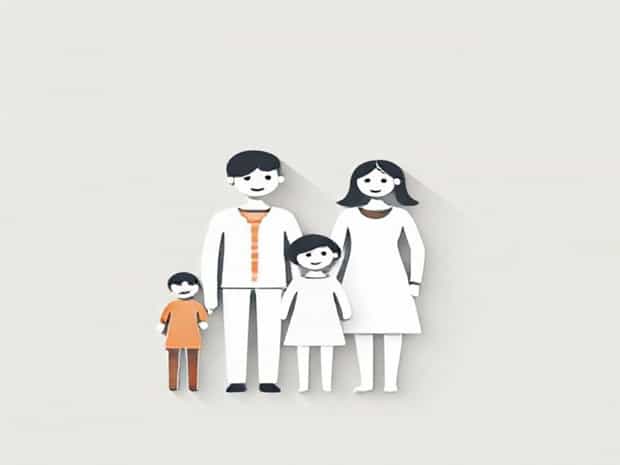
The concept of a family of orientation is an essential aspect of understanding social structures and personal development. A family of orientation refers to the family into which a person is born and raised. This includes parents, siblings, and sometimes extended family members who influence an individual’s early experiences, values, and behaviors. From the moment of birth, this family provides emotional support, socialization, and guidance, shaping the foundation for future relationships and personal growth. Understanding the dynamics of a family of orientation helps explain patterns of behavior, cultural traditions, and the emotional bonds that influence a person throughout life.
Definition and Key Features
A family of orientation is fundamentally different from a family of procreation, which refers to the family an individual creates through marriage or partnership. The family of orientation is the primary social unit responsible for nurturing, teaching, and socializing children. Key features of a family of orientation include the presence of parental figures, sibling relationships, and a shared environment that fosters emotional and social development. This family plays a crucial role in forming an individual’s identity, moral understanding, and initial social skills.
Roles of Parents
Parents in a family of orientation have multiple roles that significantly affect the growth and well-being of children. They act as providers, ensuring the family has necessary resources such as food, shelter, and clothing. Parents are also educators, teaching children societal norms, language, and basic life skills. Additionally, they provide emotional support, offering love, comfort, and guidance during challenging times. The consistency and quality of parental care are critical in shaping children’s self-esteem, resilience, and ability to form healthy relationships later in life.
Importance of Siblings
Siblings in a family of orientation contribute to social learning and emotional development. They often serve as companions, playmates, and sometimes rivals, helping individuals learn negotiation, empathy, and cooperation. Interactions with siblings allow children to practice communication skills and understand family dynamics from an early age. These relationships can be a source of lifelong support, creating a network of emotional and practical assistance that extends beyond the immediate household.
Functions of a Family of Orientation
The family of orientation serves several critical functions in an individual’s life, including social, emotional, and economic roles. Understanding these functions helps explain why this type of family is central to personal development and societal stability.
Socialization
One of the primary functions of a family of orientation is socialization. Children learn language, manners, cultural norms, and values within this environment. This early education prepares them to interact effectively with broader society. Through observation, imitation, and instruction, children acquire the knowledge and behaviors necessary to function as responsible and productive members of their community.
Emotional Support
The family of orientation provides a consistent source of emotional support. Members offer encouragement, comfort, and reassurance during times of stress or difficulty. This emotional foundation helps children develop resilience, self-confidence, and the ability to form stable relationships in the future. Emotional bonds formed in the family of orientation often last a lifetime, influencing personal happiness and mental well-being.
Economic Support
Families of orientation often provide economic stability by sharing resources and responsibilities. Parents typically manage finances, ensuring that children have access to education, healthcare, and other necessities. Economic support within this family structure can help individuals focus on personal growth and education, creating opportunities for future independence and success.
Factors Affecting the Family of Orientation
The quality and impact of a family of orientation are influenced by various factors including cultural norms, socio-economic status, and family structure. These factors shape the way parents raise children, the relationships among siblings, and the overall functioning of the family unit.
Cultural Influence
Culture plays a significant role in shaping a family of orientation. Different societies have unique expectations for parental roles, child-rearing practices, and family hierarchy. Cultural norms influence the values, traditions, and behaviors that children learn from their family. For example, in some cultures, extended family members actively participate in upbringing, while in others, nuclear families are the primary focus of child-rearing.
Socio-Economic Status
The economic resources available to a family of orientation can significantly impact child development. Families with higher socio-economic status often have better access to education, healthcare, and extracurricular activities. Conversely, families facing financial difficulties may encounter stressors that affect parenting styles, emotional stability, and opportunities for children. Understanding these dynamics is crucial for analyzing the varied experiences of individuals within their family of orientation.
Family Structure
Family structure also affects the experiences within a family of orientation. Nuclear families, single-parent households, and extended families each present unique challenges and benefits. For instance, nuclear families may offer close-knit bonds between parents and children, while extended families provide additional support from relatives. Single-parent families may develop strong independence in children but also face economic and social challenges. Each structure influences how children learn values, manage emotions, and interact with others.
Challenges Within Families of Orientation
While families of orientation are essential for nurturing and support, they may also face challenges that affect their functioning. Common issues include parental conflict, sibling rivalry, and economic difficulties. These challenges can create stress and affect the emotional development of children. However, families that address problems constructively can help children develop resilience and problem-solving skills.
Conflict Resolution
Conflict within a family of orientation is natural and can occur for various reasons. Learning to resolve conflicts constructively teaches children important skills such as negotiation, empathy, and patience. Families that model healthy conflict resolution provide a positive framework for children to manage relationships outside the home.
Emotional Challenges
Emotional challenges such as parental absence, divorce, or illness can impact the stability of a family of orientation. These situations may require children to adapt and develop coping mechanisms. Supportive communication and external resources, such as counseling, can help families navigate emotional difficulties while maintaining a nurturing environment.
A family of orientation plays a fundamental role in shaping an individual’s identity, values, and social skills. Through emotional, social, and economic support, this family provides the foundation for personal development and future relationships. Factors such as culture, socio-economic status, and family structure influence the experiences and outcomes within this family type. Despite potential challenges, families of orientation remain crucial for nurturing children, teaching life skills, and providing a sense of belonging. Understanding the importance of a family of orientation highlights the essential role that early family experiences play in lifelong growth, stability, and emotional well-being.