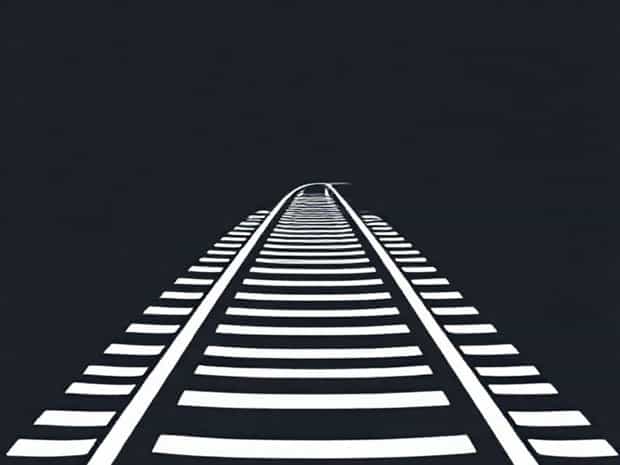
When we imagine a train journey, one of the first images that comes to mind is the continuous line of rails on a railway. These rails stretch across landscapes, linking cities, towns, and villages, making transportation possible and efficient. The rails themselves may look simple at first glance, but they represent a complex engineering system designed to handle the immense weight of trains and ensure smooth travel. Understanding what makes up a continuous line of rails, how they are laid, and why they are important helps us appreciate one of the greatest innovations in modern transport.
The Meaning of a Continuous Line of Rails
A continuous line of rails on a railway refers to the unbroken stretch of steel rails that guide train wheels along a track. Each rail is carefully manufactured, aligned, and connected to form a path that allows trains to move at high speeds safely. The word continuous highlights the fact that trains depend on an uninterrupted rail system. Even a small gap or misalignment could result in serious consequences, which is why railway engineers invest significant effort in rail design and maintenance.
Why Continuity Matters
- Ensures smooth movement of trains without sudden bumps or interruptions.
- Reduces wear and tear on wheels and other railway components.
- Maintains safety by minimizing derailment risks.
- Supports high-speed travel across long distances.
Without a continuous line of rails, railways would lose their reliability and efficiency, making them less attractive compared to other modes of transport.
Materials Used in Railway Rails
The durability of a continuous line of rails largely depends on the materials used in their construction. Modern railway rails are typically made of high-quality steel because of its strength, durability, and resistance to wear.
Features of Steel Rails
- High tensile strength to bear the heavy load of trains.
- Resistance to corrosion when properly treated.
- Ability to remain stable under extreme temperatures.
- Long lifespan with proper maintenance.
Over the years, steel alloys have been developed to improve rail performance, especially in high-speed and heavy freight railways where the demand on rails is much higher.
The Structure of a Railway Track
A continuous line of rails is not just the steel rail itself. It is part of a broader system called the track structure, which includes several essential components that work together to support trains.
Main Components
- RailsThe steel tracks that guide the wheels.
- Sleepers (or ties)Wooden, concrete, or composite supports placed at intervals to hold the rails in position.
- FasteningsClips, bolts, and other devices that secure rails to sleepers.
- BallastCrushed stone or gravel that holds sleepers in place and distributes loads.
- SubgradeThe prepared ground beneath the track structure.
All of these parts are necessary for maintaining the continuous line of rails in a stable and reliable condition. If one part fails, the entire system may be compromised.
Types of Rail Joints and Continuity
While the term continuous line of rails implies no breaks, in practice, rails must be joined together because they are manufactured in limited lengths. Engineers use techniques to create a seamless effect that allows trains to pass smoothly without disruption.
Jointed Rails
In older systems, rails were joined with fishplates and bolts at regular intervals. Although effective, these joints created a familiar clickety-clack” sound as trains passed over them. Over time, this method caused wear and required frequent maintenance.
Continuous Welded Rail (CWR)
Modern railways use continuous welded rail technology, where rails are welded together to form very long sections. This eliminates most joints and provides a smoother ride, reduces maintenance, and increases durability. Continuous welded rails are especially important for high-speed rail networks where stability is crucial.
Engineering Challenges in Rail Continuity
Creating and maintaining a continuous line of rails involves overcoming several engineering challenges. Temperature changes, ground movement, and constant stress from heavy trains can all affect rail performance.
Key Challenges
- Thermal ExpansionRails expand and contract with temperature, which can cause buckling or gaps if not managed properly.
- Wear and TearConstant contact with train wheels slowly wears down the rail surface.
- Ground StabilityTracks laid on unstable soil may shift, breaking continuity.
- Maintenance NeedsRegular inspections and replacements are necessary to keep rails continuous and safe.
Railway engineers address these challenges through specialized designs, high-quality materials, and ongoing maintenance strategies.
Role of Continuous Rails in Modern Transportation
The continuous line of rails is central to the success of modern railway systems. Without it, trains would not be able to travel at the speeds or carry the loads we expect today. Rail continuity enables railways to compete with road and air transport while offering environmentally friendly alternatives.
Benefits to Society
- Enables efficient movement of goods and people across vast distances.
- Supports economic development by connecting cities and industries.
- Reduces reliance on road transport, helping lower traffic congestion and pollution.
- Promotes sustainable travel through reduced carbon emissions.
Railways remain a cornerstone of infrastructure in many countries because of the reliability of continuous rails.
Future Developments in Rail Continuity
As technology advances, the future of continuous rails on railways will involve innovations that improve safety, efficiency, and durability. Engineers are experimenting with new materials, automated inspection systems, and advanced welding methods.
Emerging Innovations
- High-strength composite materials that may complement or replace steel in some cases.
- Smart sensors embedded in rails to monitor stress, cracks, and temperature changes in real time.
- Advanced welding techniques that create even stronger rail joints.
- Maglev systems, which reduce dependence on traditional rails by using magnetic levitation.
These innovations will help railways maintain their role as a key transportation mode well into the future, while ensuring that the continuous line of rails remains a defining feature of rail travel.
The continuous line of rails on a railway is much more than steel tracks laid across the ground. It is a sophisticated system that combines engineering, materials science, and maintenance practices to ensure trains move safely and efficiently. From traditional jointed rails to modern continuous welded rails, the goal has always been to provide an unbroken, stable path for trains. These rails not only connect distant places but also serve as a symbol of progress, efficiency, and connectivity in human society. As technology continues to evolve, the concept of a continuous line of rails will remain essential to the growth and sustainability of rail transportation worldwide.