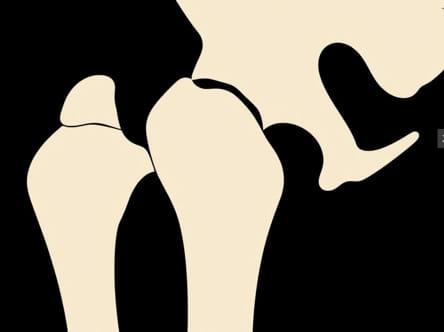
The Zimmer OSS Distal Femur is a specialized orthopedic implant designed to address complex fractures and degenerative conditions affecting the distal portion of the femur, which is the lower end of the thigh bone near the knee joint. Distal femur injuries can occur due to high-impact trauma, such as falls or accidents, as well as degenerative conditions like osteoarthritis or bone tumors. Effective treatment is critical to restore mobility, maintain joint function, and prevent long-term complications. The Zimmer OSS Distal Femur system provides surgeons with advanced tools and components to achieve precise reconstruction and alignment of the distal femur, ensuring optimal patient outcomes and functional recovery. This topic explores the features, applications, surgical considerations, and benefits of the Zimmer OSS Distal Femur system, highlighting its role in modern orthopedic surgery.
Understanding Distal Femur Injuries
Distal femur fractures account for a significant portion of lower extremity injuries and can pose challenges due to the complex anatomy of the knee joint and surrounding soft tissues. These fractures often involve the femoral condyles, which articulate with the tibia to form the knee joint, and may extend into the joint itself, complicating treatment. In addition to trauma-related fractures, degenerative conditions like osteoarthritis can result in bone loss and joint deformities, requiring surgical intervention. Without proper management, patients may experience pain, instability, decreased mobility, and impaired quality of life.
Common Causes of Distal Femur Problems
- High-energy trauma from vehicle accidents or sports injuries.
- Falls, particularly in elderly patients with weakened bone density.
- Degenerative diseases such as osteoarthritis leading to bone erosion and joint malalignment.
- Bone tumors or lesions affecting structural integrity.
- Complications from previous surgeries or failed implants in the distal femur region.
The Zimmer OSS Distal Femur System
The Zimmer OSS Distal Femur system is engineered to provide stability, flexibility, and precision for orthopedic surgeons managing complex distal femur cases. The system includes modular components, fixation options, and anatomically designed implants that conform to the unique shape of the distal femur. Its versatility allows customization for individual patient anatomy and fracture patterns, enabling effective reconstruction and alignment. With advanced instrumentation and implant options, the Zimmer OSS system aims to simplify surgical procedures, reduce intraoperative challenges, and enhance overall outcomes for patients.
Key Features of Zimmer OSS Distal Femur Implants
- Anatomic DesignImplants are contoured to match the natural anatomy of the distal femur, ensuring a precise fit and improved stability.
- Modular ComponentsAllow surgeons to adapt the implant to varying bone sizes, fracture types, and patient-specific anatomical requirements.
- Advanced Fixation OptionsLocking screws, plates, and stems provide strong fixation and minimize the risk of implant failure.
- Compatibility with Reconstruction TechniquesSupports complex reconstructions, including joint surface restoration and bone graft integration.
- Durable MaterialsManufactured from high-quality biocompatible metals to ensure longevity and resistance to wear.
Indications for Zimmer OSS Distal Femur Implantation
The Zimmer OSS Distal Femur system is primarily indicated for patients requiring surgical intervention due to distal femur fractures or degenerative conditions. Indications include
Fracture Management
- Comminuted fractures involving multiple fragments.
- Intra-articular fractures affecting the femoral condyles.
- Fractures with poor bone quality that require strong fixation.
Degenerative Conditions
- Osteoarthritis with joint surface collapse or deformity.
- Rheumatoid arthritis causing bone erosion and joint instability.
- Post-traumatic degenerative changes leading to functional impairment.
Complex Reconstruction
- Bone loss due to tumor resection or osteolytic lesions.
- Revision surgeries following failed implants or nonunion fractures.
- Alignment correction for malunited fractures or deformities.
Surgical Considerations and Technique
Successful outcomes with the Zimmer OSS Distal Femur system depend on careful preoperative planning, precise surgical technique, and appropriate implant selection. Surgeons evaluate imaging studies, including X-rays, CT scans, or MRI, to determine fracture patterns, bone quality, and joint integrity. During surgery, the distal femur is exposed, fracture fragments are reduced, and the implant is positioned to restore alignment and stability. Locking screws and plates secure the implant, while modular components allow customization to match patient anatomy. Postoperative care includes rehabilitation, physical therapy, and monitoring for complications to ensure optimal recovery and functional restoration.
Preoperative Planning
- Assessment of fracture type, bone density, and joint surface involvement.
- Selection of appropriate implant size and configuration.
- Consideration of patient-specific factors, including age, activity level, and comorbidities.
Intraoperative Technique
- Reduction of fracture fragments and restoration of distal femur alignment.
- Positioning of the implant to match anatomical contours.
- Application of locking screws, plates, or stems for secure fixation.
- Verification of joint stability and range of motion before closure.
Postoperative Care and Rehabilitation
Rehabilitation is critical for regaining mobility, strength, and function after Zimmer OSS Distal Femur implantation. Postoperative care focuses on pain management, infection prevention, and early mobilization. Physical therapy programs are tailored to the patient’s condition, emphasizing gradual weight-bearing, range-of-motion exercises, and muscle strengthening. Follow-up appointments allow monitoring of healing, implant stability, and functional progress. With structured rehabilitation and adherence to medical guidance, patients can achieve improved mobility, reduced pain, and enhanced quality of life.
Rehabilitation Strategies
- Early passive and active range-of-motion exercises to prevent joint stiffness.
- Gradual weight-bearing activities under supervision to enhance bone healing.
- Strengthening exercises for quadriceps, hamstrings, and hip muscles to support knee function.
- Patient education on activity modification, fall prevention, and long-term joint care.
Benefits of Zimmer OSS Distal Femur System
The Zimmer OSS Distal Femur system offers multiple advantages for both surgeons and patients, including
- Improved anatomical fit and stability for complex distal femur fractures.
- Versatility to accommodate varying fracture patterns and bone quality.
- Durable materials that enhance long-term implant survival.
- Support for advanced reconstruction techniques and revision surgeries.
- Facilitation of faster recovery and improved functional outcomes.
The Zimmer OSS Distal Femur system represents a significant advancement in orthopedic surgery for managing complex fractures and degenerative conditions of the distal femur. By combining anatomically designed implants, modular components, and advanced fixation techniques, the system provides surgeons with the tools to achieve precise reconstruction and optimal alignment. Comprehensive preoperative planning, meticulous surgical technique, and structured postoperative rehabilitation are essential for successful outcomes. For patients, the Zimmer OSS Distal Femur system offers the potential for restored mobility, improved joint function, and enhanced quality of life. Its integration into modern orthopedic practice highlights the ongoing commitment to innovation, patient-centered care, and long-term musculoskeletal health.