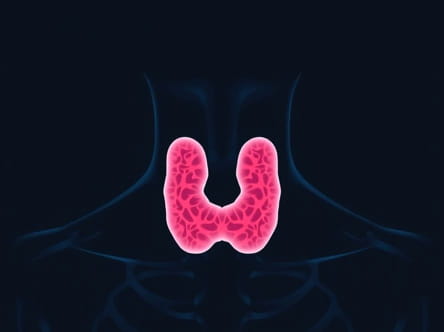
Follicular neoplasm of the thyroid is a medical condition that involves abnormal growth of cells within the thyroid gland, which is located in the neck and plays a crucial role in regulating metabolism and overall hormonal balance. These neoplasms, or nodules, are generally identified during routine physical examinations, imaging studies, or when patients experience symptoms such as a palpable lump in the neck. Understanding the nature of follicular neoplasms, their diagnostic process, potential risks, and treatment options is essential for patients and healthcare providers to make informed decisions and ensure proper thyroid health management.
What is a Follicular Neoplasm?
A follicular neoplasm refers to a growth that arises from the follicular cells of the thyroid gland. These cells are responsible for producing thyroid hormones, which regulate metabolism, energy levels, and many critical bodily functions. Follicular neoplasms can be either benign (non-cancerous) or malignant (cancerous), although the majority are initially considered indeterminate until further diagnostic evaluation is completed. They are sometimes referred to as follicular adenomas when benign, and follicular carcinomas when malignant.
Characteristics of Follicular Neoplasms
- Usually present as solitary nodules in the thyroid gland
- Can range in size from a few millimeters to several centimeters
- Often asymptomatic in early stages, discovered incidentally on imaging
- May sometimes cause compression of nearby structures if the nodule grows large
- Require cytological and histopathological evaluation for accurate diagnosis
Causes and Risk Factors
The exact cause of follicular neoplasms is not fully understood, but several factors may contribute to their development. Genetic mutations, radiation exposure, iodine deficiency, and hormonal imbalances have all been implicated. Certain populations are at higher risk, including older adults, individuals with a family history of thyroid disorders, and those with prior exposure to head and neck radiation. Understanding these risk factors helps clinicians identify patients who may benefit from closer monitoring or early intervention.
Common Risk Factors
- Age over 40 years
- Family history of thyroid nodules or thyroid cancer
- Exposure to radiation, especially in childhood
- Iodine-deficient diets
- History of thyroid disease or autoimmune thyroid conditions
Symptoms and Clinical Presentation
Many patients with follicular neoplasm of the thyroid are asymptomatic, and the condition may be discovered during routine examinations or imaging for unrelated issues. When symptoms do occur, they are usually related to the size or location of the nodule rather than its malignant potential. Common clinical presentations include a palpable lump in the neck, mild discomfort, difficulty swallowing, or changes in voice if the nodule compresses surrounding structures. Some patients may also notice changes in hormone levels, though most follicular neoplasms are non-functioning.
Symptoms to Watch For
- Palpable neck nodule
- Feeling of pressure or fullness in the neck
- Difficulty swallowing (dysphagia)
- Hoarseness or voice changes
- Occasional hyperthyroid or hypothyroid symptoms in rare functional nodules
Diagnosis of Follicular Neoplasm
Accurate diagnosis of a follicular neoplasm involves a combination of clinical evaluation, imaging studies, and cytological analysis. Fine needle aspiration (FNA) biopsy is the most common diagnostic tool but may not always distinguish between benign and malignant follicular lesions due to the need to observe capsular or vascular invasion. Therefore, surgical excision is sometimes necessary for definitive diagnosis.
Diagnostic Tools
- Physical examination to detect nodules or thyroid enlargement
- Ultrasound imaging to assess nodule size, composition, and vascularity
- Fine needle aspiration (FNA) biopsy to collect cellular samples
- Thyroid function tests to evaluate hormone levels
- Surgical excision and histopathology for indeterminate cases
Treatment Options
Treatment of follicular neoplasms depends on the size, growth rate, and potential malignancy of the nodule. Small, asymptomatic, and benign-appearing nodules may be monitored with regular ultrasounds and follow-up examinations. Suspicious or larger nodules often require surgical intervention. Surgery may involve lobectomy, where one lobe of the thyroid is removed, or total thyroidectomy if malignancy is confirmed. Postoperative management includes monitoring hormone levels and, if necessary, thyroid hormone replacement therapy.
Management Approaches
- Active surveillance for small, benign nodules
- Surgical removal (lobectomy or total thyroidectomy) for suspicious or confirmed malignant nodules
- Post-surgical thyroid hormone replacement therapy as needed
- Regular follow-up with ultrasound and blood tests to monitor recurrence
- Radioactive iodine therapy in certain cases of follicular carcinoma
Prognosis and Outcomes
The prognosis for follicular neoplasm of the thyroid is generally favorable, especially when detected early and appropriately managed. Benign adenomas rarely pose significant health risks, while follicular carcinomas can be effectively treated with surgery and, if necessary, adjunct therapies. Long-term follow-up is essential to detect recurrence or progression, particularly in cases of malignancy. Most patients who undergo treatment experience excellent outcomes and can maintain normal thyroid function with proper management.
Factors Influencing Prognosis
- Early detection and diagnosis
- Size and growth rate of the nodule
- Presence or absence of capsular or vascular invasion
- Patient age and overall health
- Completeness of surgical removal
Follicular neoplasm of the thyroid is a growth originating from thyroid follicular cells, encompassing both benign and malignant forms. Early detection, accurate diagnosis, and timely treatment are crucial for favorable outcomes. While many nodules remain asymptomatic, patients should be aware of potential signs such as a neck lump, swallowing difficulties, or voice changes. Diagnostic evaluation typically involves physical examination, imaging, fine needle aspiration biopsy, and sometimes surgical excision for definitive confirmation. Management strategies range from active surveillance for benign nodules to surgical removal and thyroid hormone therapy for malignant cases. With appropriate care and monitoring, individuals with follicular neoplasm of the thyroid can achieve excellent long-term results and maintain healthy thyroid function.