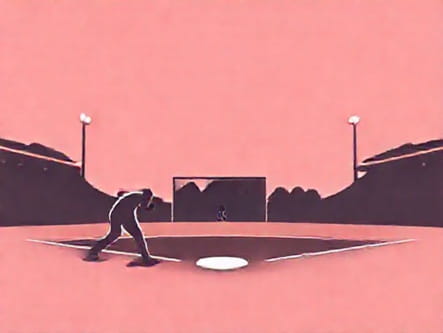
When the movie Hardball was released in 2001, it struck a chord with many viewers because of its emotional storyline, gritty backdrop, and the heartwarming relationship between an unlikely coach and a group of kids from Chicago. The film, starring Keanu Reeves, was more than just a sports drama it tapped into issues of poverty, urban struggles, and second chances. Because of its raw emotional impact, many people began to wonder was Hardball based on a true story? The connection between reality and fiction in this movie is a fascinating topic, blending Hollywood storytelling with inspiration drawn from real-life experiences.
The Origins of Hardball
The movie follows Conor O’Neill, played by Keanu Reeves, a man struggling with gambling debts who reluctantly agrees to coach a youth baseball team in one of Chicago’s toughest neighborhoods. At first, he sees coaching as a way out of his personal problems, but over time, he bonds with the children and learns lessons about life, responsibility, and compassion. This storyline feels so authentic that many people assumed it had to come from a real-life coach or community sports program.
The Book Behind the Film
The truth is that Hardball was inspired by a nonfiction book called Hardball A Season in the Projects by Daniel Coyle, published in 1993. Coyle was a journalist who spent time in Chicago following a baseball team made up of children living in the Cabrini-Green housing projects. His book chronicled the struggles and triumphs of the young players and highlighted the challenges faced in one of the city’s most notorious neighborhoods. This is the real-life foundation that gave the film its sense of authenticity, though the movie itself took creative liberties in shaping the plot and characters.
Fact Versus Fiction
While the book provided real experiences, the movie did not strictly follow those events. Instead, the filmmakers created fictional characters, including Conor O’Neill, to weave a more traditional Hollywood narrative. The youth baseball team in the book was real, but the specific storyline of a down-on-his-luck gambler becoming their coach was a fictional invention meant to give the movie more dramatic weight and character development. However, the struggles of the kids and the sense of community on the baseball field reflected truths found in Coyle’s original reporting.
Real Issues Reflected in the Film
Even though Hardball was not a true story in the literal sense, it reflected very real issues faced by many inner-city youth programs across the United States. Themes such as violence in impoverished neighborhoods, the importance of mentorship, and the need for safe spaces for kids to grow and thrive were all deeply grounded in reality. Viewers could easily see parallels between the movie’s fictional characters and real children who live in communities where opportunities are scarce and challenges are constant.
- The dangers of growing up in violent neighborhoods
- The role of community sports programs in providing structure
- The importance of mentors and positive role models
- The resilience of children facing daily struggles
The Impact of the Movie
Because of its emotional core, the movie left a strong impact on audiences. Many were moved by the tragic moment in the film involving G-Baby, a young player whose fate underscored the harsh realities of life in underprivileged areas. While G-Baby was a fictional character created for dramatic effect, his story resonated because it represented countless real children whose lives were affected by violence. This mix of fiction and truth gave Hardball a sense of realism that continues to spark conversations years later.
Comparing the Book and the Film
Daniel Coyle’s book was more of a journalistic account, grounded in observation rather than dramatization. It provided readers with a clear-eyed view of the lives of children in Chicago’s Cabrini-Green projects, their struggles, and their victories on the baseball field. The film, however, reimagined these elements into a narrative centered on Conor O’Neill, which gave audiences a more personal journey to follow. While the two works share common themes, they serve different purposes one as documentary-style reporting, the other as an emotional sports drama designed for mainstream appeal.
Why People Ask If It Was True
Part of the reason viewers often question whether Hardball was based on a true story lies in how genuine the performances felt. Keanu Reeves’ portrayal of Conor O’Neill, along with the young cast who played the baseball team, brought a level of authenticity to the screen. Their chemistry, the street-level dialogue, and the way the children’s struggles were portrayed all felt very real. Audiences often find themselves deeply invested in such stories, which naturally leads to curiosity about the reality behind them.
The Lasting Legacy of Hardball
Even though it was not a direct retelling of real-life events, Hardball managed to bring attention to issues that many Americans were not fully aware of. It highlighted the value of youth sports programs in struggling communities and shed light on the importance of giving children opportunities to succeed. For many, the movie also symbolized the idea that redemption and change are possible, no matter how unlikely the circumstances might seem.
So, was Hardball based on a true story? The honest answer is both yes and no. The film itself is fictional, with characters and plotlines created for dramatic purposes. However, it was inspired by Daniel Coyle’s nonfiction book, which was firmly rooted in reality. The struggles, hopes, and triumphs of the children in Cabrini-Green were real, even if the Hollywood story built around them was not. This blending of fact and fiction is what gave the movie its emotional punch, leaving audiences with a story that felt authentic, even if it wasn’t entirely true. Ultimately, Hardball stands as a reminder that while not every movie is based directly on real events, the best films often reflect truths that resonate deeply with our shared human experience.