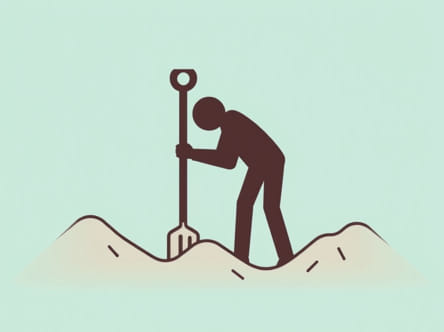
There are moments in life when it feels impossible to dig oneself out of a deep hole, no matter how much effort is exerted. This sensation often goes beyond physical struggle, entering the realm of emotional and mental weight that can feel crushing. People in this state may experience persistent hopelessness, overwhelming stress, and a sense of being trapped in circumstances that seem beyond their control. Recognizing and addressing this feeling is essential for mental health and personal growth, as prolonged experiences of being stuck can lead to anxiety, depression, and diminished self-esteem.
Understanding the Feeling of Being Stuck
Feeling unable to dig oneself out is not merely a metaphor for life’s challenges; it reflects the genuine psychological experience of helplessness. When facing complex problems, repeated failures, or overwhelming responsibilities, individuals may feel powerless, as if every effort only deepens the hole rather than helping them escape. This state can occur due to external pressures, internal struggles, or a combination of both, and it often triggers a vicious cycle of stress and despair.
Psychological Factors
Several psychological factors contribute to the sensation of being unable to dig oneself out. Low self-esteem, chronic stress, perfectionism, and negative thought patterns can create mental barriers that prevent proactive problem-solving. Catastrophizing expecting the worst outcome in every situation can magnify feelings of entrapment. Additionally, unresolved trauma or prolonged exposure to adversity may result in learned helplessness, a state in which individuals believe that their actions have no impact on their circumstances.
External Factors
External circumstances can also intensify feelings of being trapped. Financial difficulties, toxic relationships, demanding work environments, or societal pressures can limit perceived options and reduce a sense of autonomy. When environmental stressors accumulate, it can feel impossible to make meaningful progress, even with consistent effort. The convergence of internal and external pressures often exacerbates the struggle, making the metaphorical hole seem deeper and harder to escape.
Signs You Might Be Feeling Unable to Dig Yourself Out
Recognizing the signs of this state is critical for seeking appropriate support and intervention. Common indicators include
- Persistent feelings of hopelessness or despair
- Difficulty concentrating or making decisions
- Feeling emotionally numb or disconnected from surroundings
- Reluctance to seek help or engage in problem-solving
- Physical symptoms such as fatigue, sleep disturbances, or changes in appetite
These signs often signal that an individual needs strategies, resources, or support to regain a sense of agency and direction.
Impact on Mental and Emotional Health
Feeling unable to dig oneself out has profound implications for mental and emotional well-being. Extended periods of helplessness can lead to depression, anxiety disorders, and heightened stress levels. Individuals may experience emotional exhaustion, irritability, and social withdrawal. The perception of being trapped reinforces negative self-beliefs and can reduce motivation, creating a self-perpetuating cycle of inaction and despair.
Effects on Daily Life
- Reduced productivity at work or school due to lack of focus or motivation
- Strained relationships from emotional withdrawal or irritability
- Increased vulnerability to physical health issues caused by chronic stress
- Diminished confidence in personal abilities and problem-solving skills
- Difficulty engaging in meaningful activities or pursuing goals
Strategies for Regaining Control
Although the sensation of being trapped can feel overwhelming, there are actionable strategies to begin regaining control. The process involves self-awareness, incremental goal-setting, support systems, and coping mechanisms to manage both emotional and practical challenges.
Self-Reflection and Awareness
Identifying the root causes of feeling stuck is a crucial first step. Journaling, mindfulness exercises, or talking with a trusted friend or therapist can help individuals clarify the factors contributing to their sense of helplessness. Understanding these underlying causes allows for more targeted and effective strategies to escape the metaphorical hole.
Breaking Goals into Small Steps
Large problems often seem insurmountable, but breaking them into smaller, manageable tasks creates a sense of progress. Each completed step reinforces confidence and demonstrates that action can lead to change. By focusing on achievable short-term goals, individuals begin to build momentum and regain a sense of control over their circumstances.
Seeking Support
External support is critical when internal resources feel depleted. Friends, family, mentors, or mental health professionals can provide guidance, encouragement, and practical solutions. Support systems offer emotional reassurance and help identify blind spots or alternative strategies that may not be apparent when struggling alone.
Developing Coping Mechanisms
Effective coping strategies help manage emotional distress while maintaining forward movement. Techniques such as deep breathing, meditation, physical activity, or creative expression reduce stress and enhance resilience. Establishing routines and self-care practices provides structure, making the process of overcoming obstacles more manageable.
Adopting a Flexible Mindset
Flexibility is essential in navigating life’s challenges. Accepting that setbacks are part of the journey allows individuals to adapt rather than become immobilized by disappointment. A flexible mindset encourages creative problem-solving, resilience, and the ability to find alternative routes when progress seems blocked.
The Role of Patience and Persistence
Regaining control when feeling unable to dig oneself out requires patience and persistence. Immediate solutions are rare, and progress may be gradual. It is important to celebrate small victories, acknowledge incremental improvements, and remain committed to consistent effort. Over time, repeated actions and positive reinforcement strengthen self-efficacy and reduce feelings of helplessness.
Learning from Adversity
While challenging, these experiences can also provide valuable lessons. Struggles encourage self-reflection, resilience, and personal growth. By facing and gradually overcoming adversity, individuals develop a deeper understanding of themselves and cultivate skills that enhance future coping and decision-making abilities.
Feeling unable to dig oneself out is a deeply human experience, reflecting both internal struggles and external pressures. Recognizing the signs, understanding the psychological and environmental factors, and employing strategies to regain control are essential steps toward restoring agency and purpose. Through self-reflection, incremental goal-setting, seeking support, developing coping mechanisms, and embracing flexibility, individuals can begin to climb out of the metaphorical hole. While the process may be gradual, persistence and patience ultimately lead to regained confidence, resilience, and the ability to navigate life’s challenges with a renewed sense of direction and empowerment. Every effort, no matter how small, contributes to the gradual restoration of control, proving that even when the hole feels endless, progress is possible and achievable.